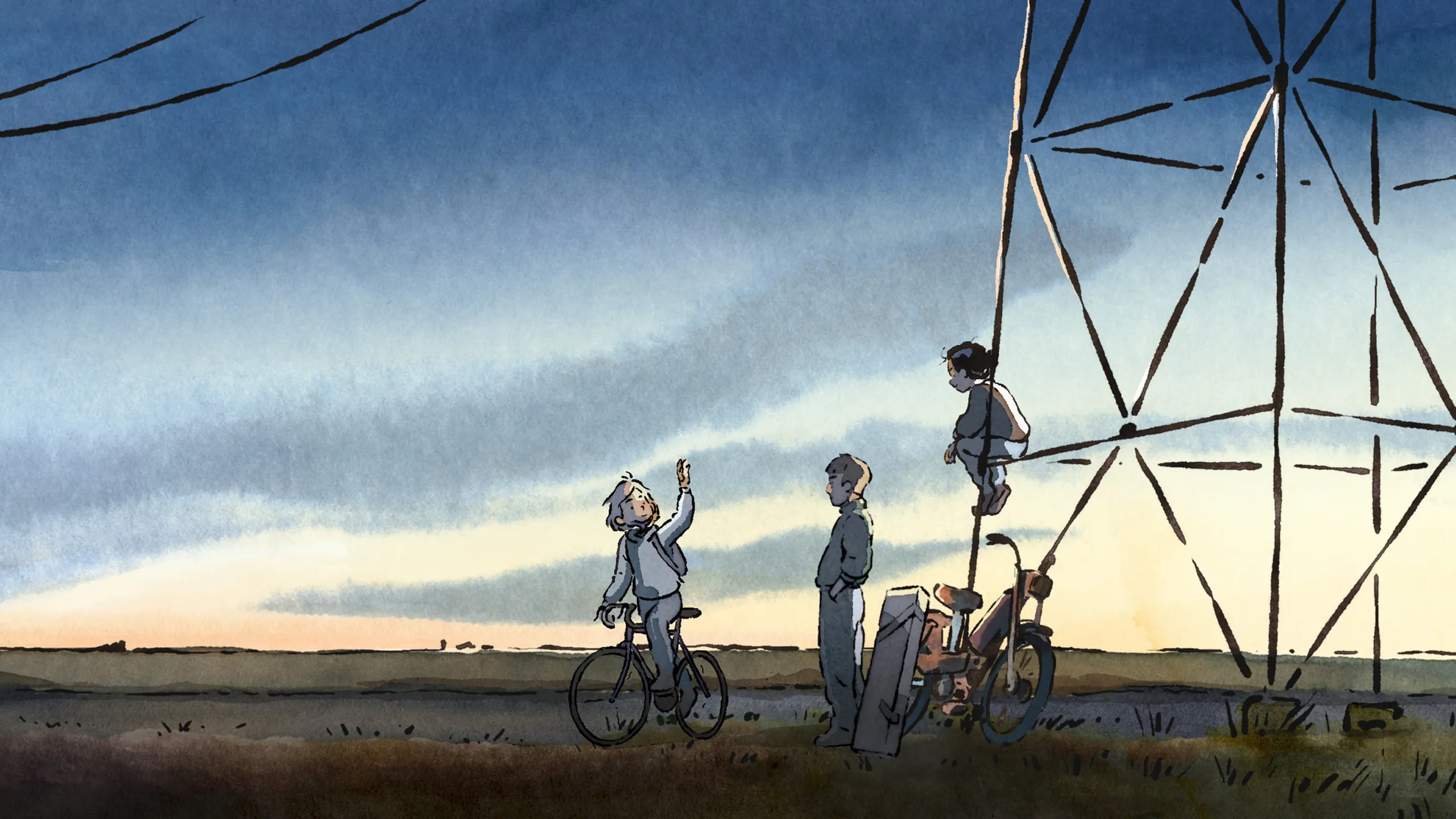
‘Paper Tiger’ and ‘Musk’ Documentary Featured at 2026 SFIFF
The 2026 Santa Fe International Film Festival showcases key titles including 'Paper Tiger' and 'Musk', marking an exciting lineup for this year.
Researchers at UC Riverside have named 12 new species of plant-eating insects after Taylor Swift, highlighting her impact on conservation.
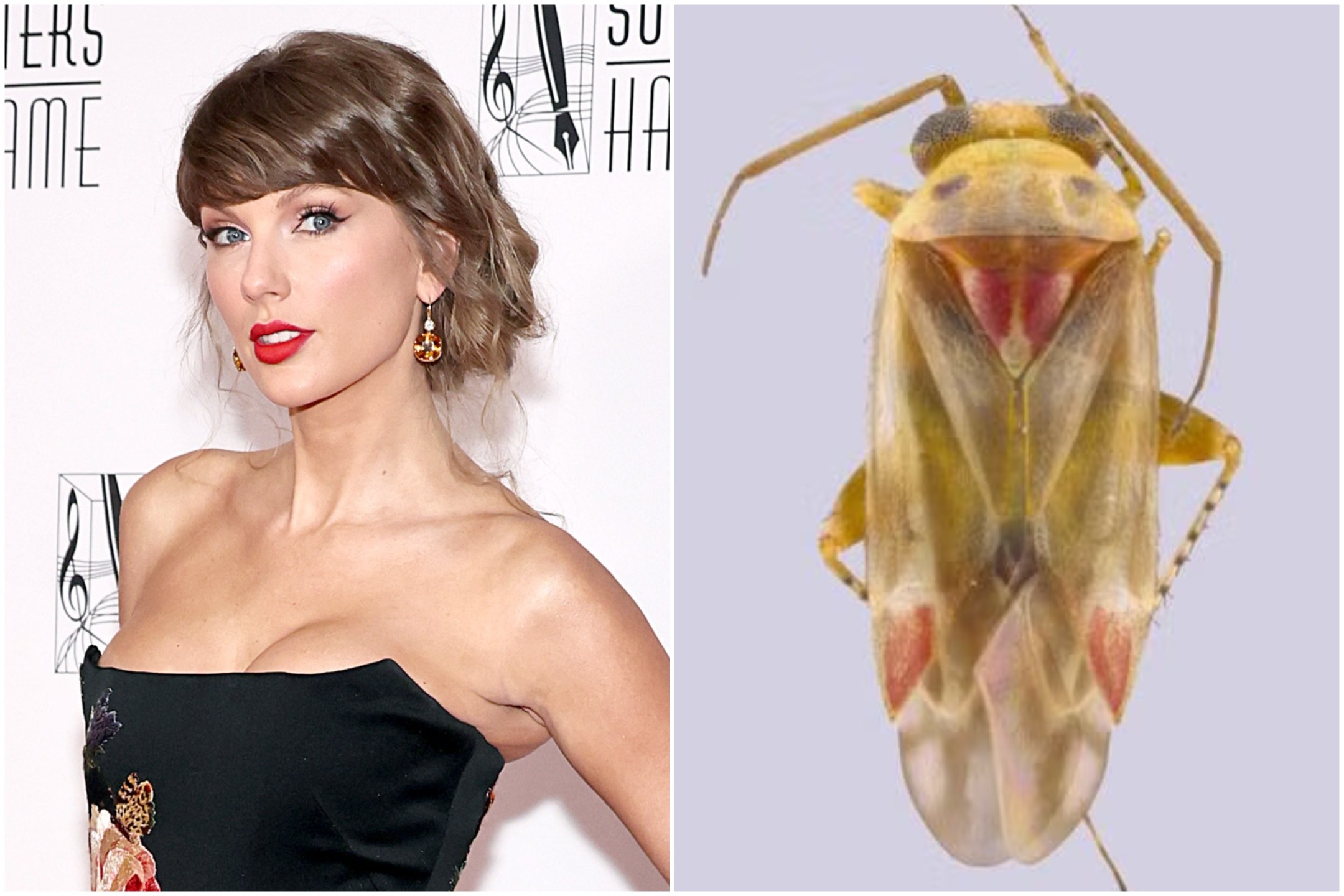
Award-winning singer Taylor Swift is now the namesake for several newly discovered species of plant-feeding insects from Australia. This announcement was made by researchers at the University of California, Riverside (UC Riverside), who detailed this find in a paper published in the journal "Insect Systematics and Evolution".
The researchers identified a total of twelve new species and created a genus named Swiftiephylus. This name combines "Swiftie," a term often used to refer to Swift's dedicated fanbase, with Phylus, a term used in entomological taxonomy. Among the newly named species are Swiftiephylus taylorae, Swiftiephylus amator, Swiftiephylus intrepidus, and Swiftiephylus poetorum. These names translate to Latin versions of significant elements related to Swift, including her first name, as well as concepts like "lover," "fearless," and "poets".
According to UC Riverside, the Swiftiephylus insects are primarily associated with Australian she-oaks, which thrive in various environments, from tropical forests to coastal dunes. Notably, these plant bugs spend their entire lives on specific host plants, completing their life stages from hatching to reproduction without leaving their chosen flora. This deep-rooted relationship emphasizes the importance of biodiversity and the intricate ecosystems present in Australia.
Sarah Schroeder, a doctoral student in entomology at UC Riverside, led the initiative to honor Taylor Swift by naming these insects after her. Schroeder's motivation extends beyond admiration; she aims to raise awareness about insect diversity and the often-overlooked realm of insect conservation. She stated that using a public figure like Swift could significantly elevate public interest in conservation issues. Importantly, these insects are not known to pose threats to human or animal life, further solidifying their role as benign contributors to the ecosystem.
The specimens described in this study were collected years ago during a large biodiversity project but remained unclassified until now. According to Schroeder, taxonomy—the science of naming and classifying organisms—is critical for conservation. She noted, "If we don’t describe species, we don’t know they exist and can’t conserve them." The naming of these insects not only adds to scientific knowledge but also emphasizes the importance of documenting species to protect them effectively.
This move is not unprecedented for UC Riverside; in 2022, they similarly honored actor Jeff Daniels by naming a species of worm after him. Naming species after celebrities serves to connect science and popular culture, potentially captivating a wider audience's interest in entomology and environmental preservation.
The naming of the Swiftiephylus insects signifies a unique intersection of pop culture and science. By linking Taylor Swift to these insect species, researchers hope to inspire increased public engagement with insect conservation efforts. The visibility granted by Swift's name may encourage fans and the general populace to take a greater interest in the biodiversity that surrounds them. This development highlights the role of celebrity influence in raising awareness about ecological science, potentially leading to a ripple effect in conservation initiatives as communities recognize the importance of the species that share their environments. UC Riverside continues to serve as a leading institution in both entomological research and community engagement, fostering a greater understanding of the diversity of life forms that remain undiscovered around the globe.
Entertainment news
EpisodeBreakdown may use automated tools to assist research, drafting, and formatting. Published pages are governed by our editorial and corrections policies, and source links are shown when they are available in the article record.
Discovery source: Variety. The source identifies where the topic was discovered; EpisodeBreakdown is responsible for the commentary published on this page.
Reader response
Reactions and poll results are based on real reader responses. No account is required.