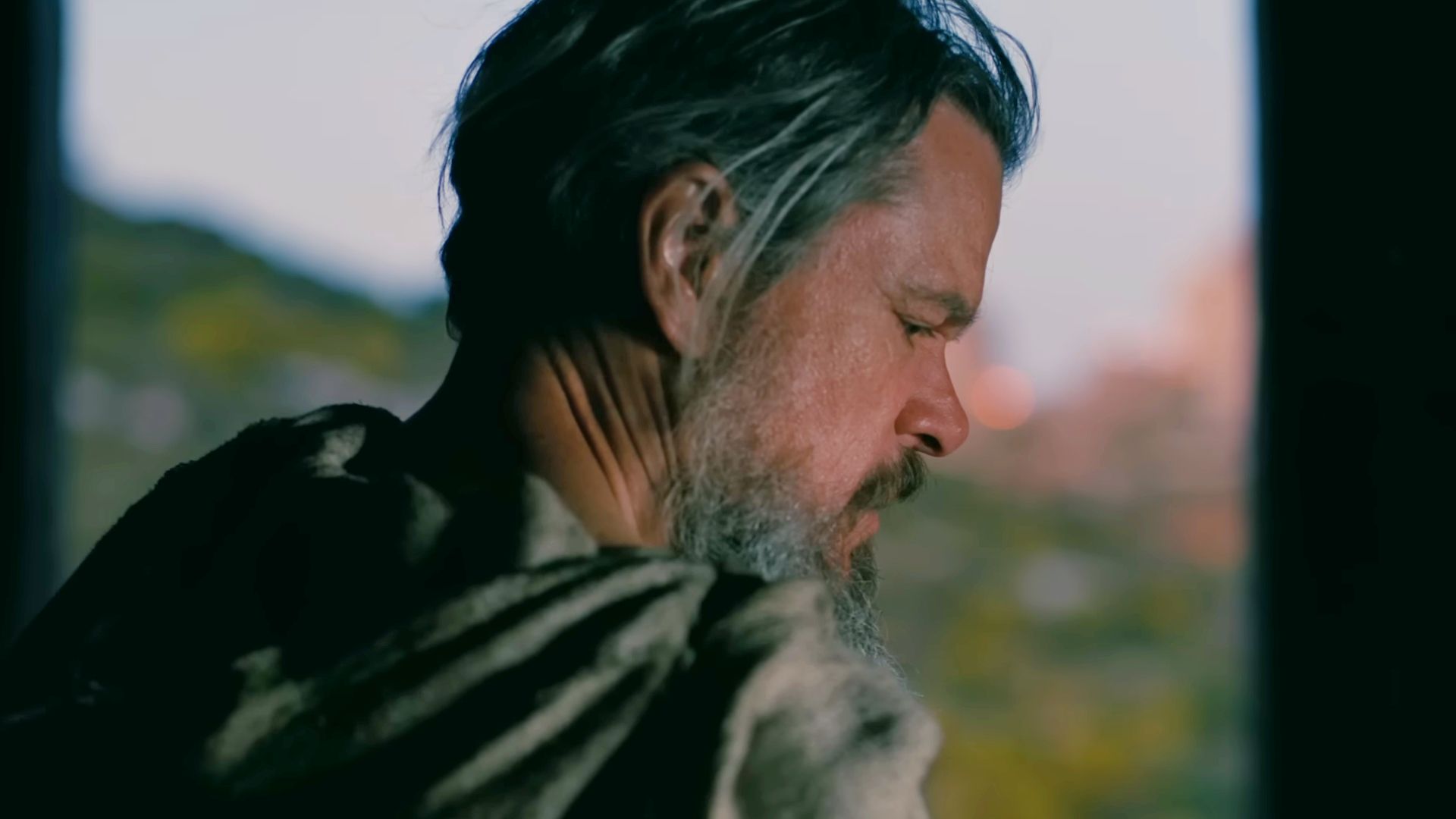
Exploring Themes of Obsession and Autonomy in 'Soulm8te'
Dive into the complexities of desire, control, and technology in 'Soulm8te' as we dissect its characters and themes.
This article dives into the key themes and character motivations of 'Teenage Sex and Death at Camp Miasma,' revealing a deeper understanding of youthful exploration.
In simple terms, 'Teenage Sex and Death at Camp Miasma' raises central questions about the tumultuous journey of teenage identity, love, and mortality, all set against the backdrop of a summer camp gone awry. The film presents a visceral exploration of adolescence, focusing on how the characters navigate the thin line between youthful exuberance and the harrowing realities of life and death.
Here is what is confirmed: the film follows a group of teenagers at Camp Miasma who are grappling with their burgeoning identities amid the looming threat of existential crises. From pursuing romantic interests to grappling with the concept of mortality, these themes are central to the narrative.
The camp serves not only as a backdrop but also as a catalyst for transformation. It is a familiar setting rife with nostalgic imagery, yet the interactions within it are anything but innocent. The camp's isolation amplifies the characters' emotional states, precipitating both their worst fears and their most exhilarating moments.
This dichotomy underscores a crucial turning point in the film where the characters' illusions of safety and eternal youth collide with the grim realities that emerge as the plot unfolds. As deaths occur and relationships are tested, the idyllic facade of camp life shatters, leaving characters to confront their vulnerabilities.
A notable theme in 'Teenage Sex and Death at Camp Miasma' is the exploration of adolescent desires. Characters find themselves caught in a whirlwind of sexual exploration and the yearning for connection. Amidst the looming anxiety of mortality, their flirtations and romantic escapades take on a heightened intensity.
The film does not shy away from illustrating the awkwardness and naivety often associated with teenage romance, offering viewers both humor and poignancy. This exploration resonates with anyone who remembers the complexities of their own teenage years, allowing the audience to relate deeply to the characters’ journeys.
The acknowledgment of death as an inevitable part of life serves as a key theme throughout the movie. The title itself hints at this duality of youthful jitters and the inescapable nature of mortality. Death is not just a plot device; it is a poignant reminder of the uncertainty that shadows the innocence of youth.
As characters come face-to-face with loss, each responds in uniquely revealing ways, showcasing their psychological developments. This motif invites spectators to reflect on their understanding of life and death, making every encounter feel weighty and meaningful.
Character choices and their subsequent consequences are intertwined with themes throughout the film. Characters that initially embody carefree spirits often find themselves compelled to reassess their lives following moments of crisis. These shifts illuminate their inner drives, fears, and aspirations, which are not necessarily aligned with their initial portrayals.
For instance, one character may appear as a mere comic relief amidst tense situations but, in a pivotal scene, reveals profound insight about love and loss, showcasing the complex nature of teenage identities. The evolution observed in each character serves to underscore the film’s central theme of discovery.
In the climax, as the veil of innocence is stripped away, a confluence of personal revelations and tragic events culminates in a cathartic moment for the characters. The ending, while tinged with sorrow, offers a glimmer of hope and resolution. Through their trials, the characters emerge irrevocably changed, suggesting that the journey of self-discovery, however painful, is essential for growth.
The film closes on a contemplative note, reflecting the idea that understanding life’s fragility makes the pursuit of love all the more vital. This theme aligns with the film’s assertion that while mortality looms over youth, it does not extinguish their quest for connection.
For those interested in exploring similar themes, consider our analyses on childhood innocence in Exploring Themes of Obsession and Autonomy in 'Soulm8te' and existential journeys in HAL 9000: The Chilling Complexity of Artificial Intelligence in 2001: A Space Odyssey.
'Overall, 'Teenage Sex and Death at Camp Miasma' is a multifaceted exploration of adolescence, resonating with audiences through its raw depictions of love, fear, and the ever-present shadow of mortality. As viewers rewatch this film, they are sure to contemplate the layers beneath its surface, recognizing how these themes continue to echo in the experiences of growing up. Understanding these dynamics enriches the collective discourse about identity and the teenage experience in cinema today.
Movie explanation
EpisodeBreakdown may use automated tools to assist research, drafting, and formatting. Published pages are governed by our editorial and corrections policies, and source links are shown when they are available in the article record.
Discovery source: Bloody Disgusting. The source identifies where the topic was discovered; EpisodeBreakdown is responsible for the commentary published on this page.
Reader response
Reactions and poll results are based on real reader responses. No account is required.