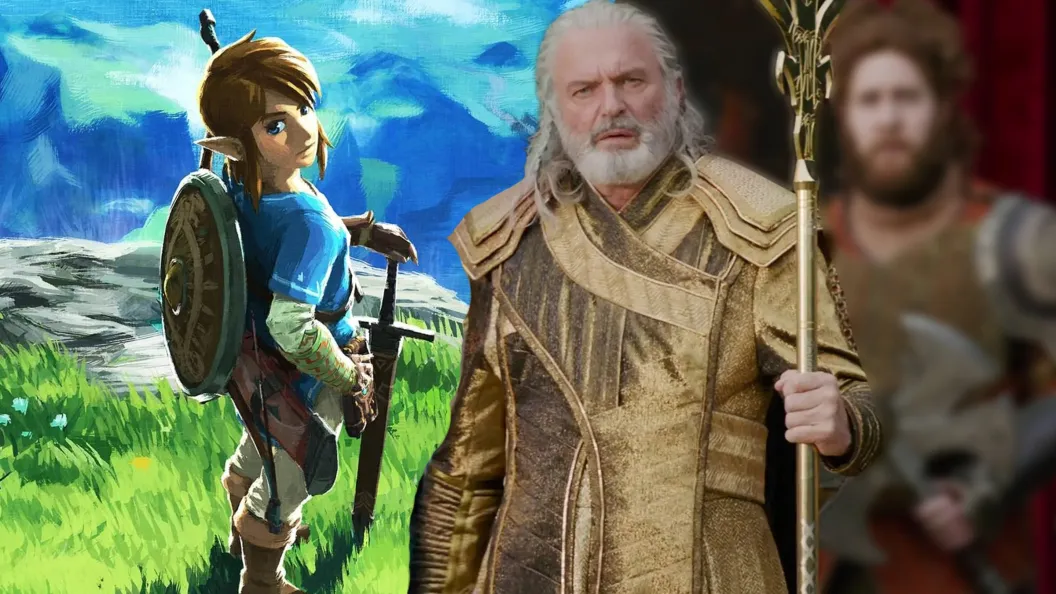
The Odyssey: Nolan Breaks Superhero Box Office Records
Christopher Nolan's *The Odyssey* has grossed nearly $1 billion at the box office, marking a significant achievement for the director.
This analysis delves into the themes and character choices of ‘Teenage Sex and Death at Camp Miasma,’ highlighting its vibrant and bloody exploration of awakening.
In simple terms, ‘Teenage Sex and Death at Camp Miasma’ explores whether sexual awakening can coexist with horror. The film presents compelling narratives that intricately weave together themes of adolescent sexuality, violence, and the heavy weight of societal expectations. Confirmed elements suggest that the film pushes the boundaries of horror by using the camp setting to highlight both liberation and the inherent dangers that accompany sexual exploration.
One of the film's pivotal moments occurs when the characters navigate the complications of adolescence amidst a slasher narrative. While the joyful thrills of newfound sexual identities are evident, the looming presence of violence challenges those experiences. This intersection acts as a commentary on how societal fears and moral judgments are tightly interwoven into personal awakenings. As noted by scholars like Carol J. Clover, horror often forces audiences to confront their discomfort around gender and sexuality, making the violent retribution against sexual exploration particularly striking in this context.
At Camp Miasma, the themes of freedom and consequence build up through well-developed character arcs. The campers yearn for liberation from parental controls and societal judgments. However, as they engage in their awakening, the consequences manifest in graphic and brutal ways. This duality also serves as a reflection of real-world tensions surrounding teenage sexuality, wherein the quest for freedom can often lead to tragic outcomes. These choices amplify the stakes as characters must balance their desires with the chilling reality of the slasher trope, a blend that invites viewers to question the nature of freedom itself.
The camp setting proves to be rich in symbolism, representing both a place of growth and danger. Camp Miasma becomes a microcosm where youthful exploration occurs alongside lurking terror. As campers navigate both sexual currents and imminent threats, several clues woven throughout the film hint at the fragility of their newfound freedom. Each murder mirrors the consequences of ignoring societal restrictions on sexuality, raising crucial questions about repressed desires and rebellion.
The ending of ‘Teenage Sex and Death at Camp Miasma’ is as shocking as it is poignant, encapsulating the thematic essence the film strives to deliver. Each character’s fate correlates with their choices, depicting a chaotic unraveling of innocence where exuberance clashes brutally with reality. The film does not shy away from illustrating the dark results of full-throttle exploration of desire, giving voice to Clover’s theories on horror as an exploration of societal fears around sexuality.
In understanding the way these themes, events, and character arcs are interwoven, viewers can appreciate how the film challenges the classic horror narrative. By doing so, it also serves as a critique of the pressures encasing adolescent sexuality—a vibrant exploration that digs beyond the surface of its bloody thrills.
The implications of ‘Teenage Sex and Death at Camp Miasma’ extend beyond mere entertainment. It encourages discourse on the nature of adolescent identity, society’s role in shaping experiences, and the dissonance between sexual freedom and societal expectations. The film stands out as more than just a horror flick; it's a vibrant, bloody exploration that reflects on real-world dialogues around teenage sexuality. For readers interested in broader themes of horror in adolescent narratives, exploring works like Unearthing the Terror: 10 Camp Horror Movies You Might Not Have Seen and One Wrong Step Means Death in 'Don’t Move': A Breakdown can enhance understanding of these complex connections.
Movie explanation
EpisodeBreakdown may use automated tools to assist research, drafting, and formatting. Published pages are governed by our editorial and corrections policies, and source links are shown when they are available in the article record.
Discovery source: Bloody Disgusting. The source identifies where the topic was discovered; EpisodeBreakdown is responsible for the commentary published on this page.
Reader response
Reactions and poll results are based on real reader responses. No account is required.