‘Paper Tiger’ and ‘Musk’ Documentary Featured at 2026 SFIFF
The 2026 Santa Fe International Film Festival showcases key titles including 'Paper Tiger' and 'Musk', marking an exciting lineup for this year.
Jack Huston, Sofia Boutella, and Daniel Zovatto star in the octogenarian’s new feature, a morally complex study of past sin affecting present life.
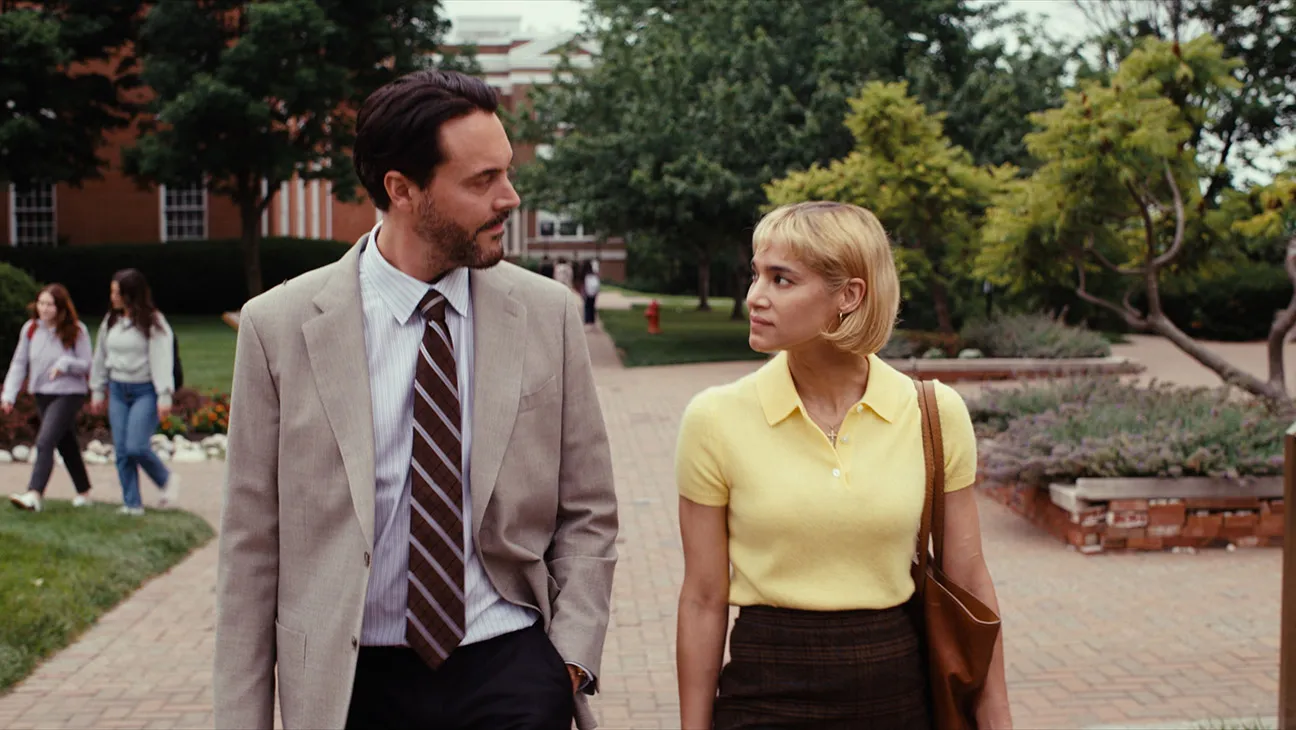
Paul Schrader's latest film, The Basics of Philosophy, set to release on September 4, 2026, explores the intricate themes of guilt and moral complexity through the story of John, a college philosophy professor portrayed by Jack Huston. The film meticulously examines how past transgressions reverberate into the present, complicating emotional landscapes and challenging moral responsibilities.
The narrative unfolds at a fictional college campus where John introduces his course in a compelling lecture. Tension escalates when a female student seeks a grade change, leading to an uncomfortable exchange highlighting the fragile dynamics of teacher-student relationships. This pivotal moment foreshadows the unfolding turmoil in John's life.
As the plot progresses, John's painful history resurfaces following the death of his father, played by Bill Pullman. This event unveils a dark secret: in his youth, John sexually assaulted an underage boy, the garden boy of his family. This revelation forces John into a confrontation with his guilt, igniting a harrowing journey toward redemption. His past actions radically reshape his outlook on life, underscoring the film's central theme: the inescapability of past sins.
Schrader is known for crafting characters grappling with existential dilemmas, a tradition he continues in The Basics of Philosophy. John's introspective journey not only drives the narrative but also invites broader discussions about morality, identity, and the nature of guilt. The film challenges viewers to reflect on the far-reaching implications of one’s actions and the often-torturous quest for atonement.
Premiere screenings at the Venice Film Festival have led critics to label the film a “morally complex study of past sins” (The Hollywood Reporter). Audience reactions have ranged widely; while some find the themes provocative and thought-provoking, others struggle with the discomfort stemming from the film’s raw portrayal of moral failings. Schrader’s approach prompts deep contemplation, resonating strongly with viewers who value explorations of emotional and psychological depth in cinema.
John’s struggle is poignantly framed within his attempt to write a book about the philosopher Baruch Spinoza. This intellectual task parallels his internal conflict, as he doesn't just wrestle with Spinoza's challenging ideas but also with the repercussions of his earlier predatory behavior and its implications for his present relationships, particularly with his late father and a fellow professor played by Sofia Boutella. The film intricately connects philosophical inquiry with personal reckoning, effectively highlighting John's desire to rationalize his past while facing the weight of societal judgment.
As viewers witness John's conflict, they are drawn into the dilemmas that render him a profoundly flawed yet relatable character, wrestling with the limits of redemption and morality. Schrader tackles themes of conformity and societal expectations with unflinching honesty, drawing a conceptual line between past mistakes and present identity.
Although further details regarding Schrader's upcoming projects remain under wraps, The Basics of Philosophy is positioned to significantly contribute to ongoing dialogues about morality and the human experience. As audiences engage with the film's challenging themes, the layers of guilt and redemption interwoven through John's story will likely ignite meaningful conversations long after the credits roll.
Entertainment news
EpisodeBreakdown may use automated tools to assist research, drafting, and formatting. Published pages are governed by our editorial and corrections policies, and source links are shown when they are available in the article record.
Discovery source: The Hollywood Reporter. The source identifies where the topic was discovered; EpisodeBreakdown is responsible for the commentary published on this page.
Reader response
Reactions and poll results are based on real reader responses. No account is required.