The Riddler’s Misunderstanding of Batman’s Identity Is the Film’s Clever Twist
The ending of The Batman (2022) reveals that the Riddler does not know Bruce Wayne’s secret identity as Batman—a fact that comic book fans had been led to believe would happen. This twist, rooted in a specific comic book reference from Batman: Hush, was designed to mislead audiences into expecting a revelation that never occurs. Director Matt Reeves leveraged this knowledge to create a satisfying payoff that aligns with the film’s themes of identity and deception.
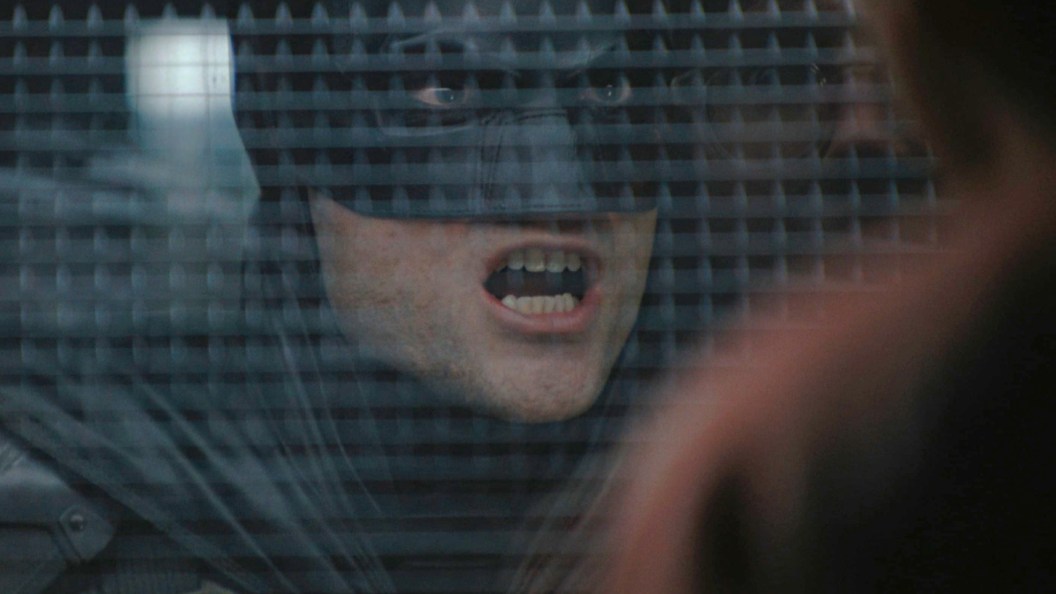
The film’s final sequence shows Batman visiting the Riddler in Arkham Asylum after the villain is captured. Paul Dano’s Edward Nashton, the Riddler, initially appears delighted to meet Batman, believing they’ve been working together to expose Gotham’s corruption. However, he begins repeating Bruce Wayne’s name, causing Batman to realize he’s been dealing with a different person than he expected. This moment is the film’s most critical twist: the Riddler does not know Bruce Wayne is Batman. Instead, he’s angry that Wayne survived the attempt on his life and resents the sympathy Bruce received as a rich orphan, while children like Nashton suffered in Gotham’s forgotten orphanage.
The Comic Book Reference That Shaped the Ending
Reeves’ trick relies on a specific detail from Batman: Hush (Batman #619), where Edward Nygma, the Riddler, discovers Bruce Wayne’s identity after using a Lazarus Pit to cure his terminal cancer. In that comic, Batman flips the script by saying that a riddle everyone knows the answer to isn’t much of a riddle. The Riddler’s obsession with proving his intelligence prevents him from revealing Bruce Wayne’s identity.
The film includes a clear reference to Batman: Hush early on. As the Riddler reveals the Wayne family’s secrets, audiences learn that Thomas Wayne went to Carmine Falcone to have a reporter named Edward Elliot silenced. Falcone kills the journalist, and the word "HUSH" appears on screen during the Riddler’s presentation. This detail gives comic readers reason to expect the Riddler has discovered Batman’s identity, just as he did in the comic. However, the twist is that the Riddler does not know Bruce Wayne is Batman.
Why the Riddler Doesn’t Know Batman’s Identity
The Riddler’s misunderstanding stems from his belief that Batman has been aiding him in exposing Gotham’s corruption. He’s angry that Bruce Wayne survived the attempt on his life and resents the sympathy Bruce received as a rich orphan, while children like Nashton suffered in Gotham’s forgotten orphanage. This resentment drives his actions, but it does not mean he knows Bruce Wayne’s identity.
Reeves intentionally crafted the ending to mislead comic book fans into thinking the Riddler had discovered Batman’s identity. The deception worked because fans were familiar with Batman: Hush and expected a twist that never happened. The Riddler’s confusion is a direct result of his own motivations, not a failure of Batman’s secrecy.
The Sequel Connection: Edward Elliot and the Riddler’s Father
The film’s ending hints at a potential sequel connection through the character of Edward Elliot. The murdered reporter in The Batman shares a surname with the comic book villain Hush and has a first name similar to Nashton, suggesting Elliot could be the Riddler’s father. Co-writer Peter Craig confirmed that related details were discussed during development but refused to reveal specifics to avoid spoiling future plans.
This theory has been widely discussed in the community, with Reeves expressing interest in bringing Hush into his Batman universe. However, he warned against expecting the character to appear in The Batman Part II, which is scheduled for release on February 18, 2028. The sequel will explore Bruce Wayne’s past and introduce a villain who has not yet appeared in live-action Batman films.
The Riddler’s Motivation and the Ending’s Impact
The Riddler’s anger toward Bruce Wayne is rooted in his belief that Wayne survived the attempt on his life and received sympathy as a rich orphan, while children like Nashton suffered in Gotham’s forgotten orphanage. This resentment drives his actions but does not equate to knowing Bruce Wayne’s identity. The ending confirms that the Riddler’s confusion is a result of his own motivations, not a failure of Batman’s secrecy.
This twist serves the film’s theme of identity and deception. By using a comic book reference that fans expected to be a twist, Reeves creates a satisfying payoff that aligns with the story’s deeper themes. The Riddler’s misunderstanding is a direct result of his own actions and beliefs, not a plot hole.
What the Ending Changes for the Franchise
The ending of The Batman confirms that the Riddler does not know Bruce Wayne’s identity, which has implications for the sequel. The film’s focus on the Riddler’s misunderstanding sets up a narrative where the villain’s actions are driven by his own beliefs rather than a direct confrontation with Batman’s identity.
This twist also highlights Reeves’ deep understanding of Batman’s comic book history. By using a reference that fans expected to be a twist, he creates a satisfying payoff that aligns with the film’s themes of identity and deception. The Riddler’s confusion is a direct result of his own motivations, not a failure of Batman’s secrecy.
Unresolved Questions and Future Directions
While the film’s ending clarifies the Riddler’s misunderstanding, it leaves open questions about the Riddler’s connection to Edward Elliot and the potential role of Hush in the sequel. The sequel’s focus on Bruce Wayne’s past and the introduction of a new villain who has not yet appeared in live-action Batman films suggests that the Riddler’s story may continue in a different form.
Reeves has hinted that The Batman Part II will explore Bruce Wayne’s past and introduce a villain who has not yet appeared in live-action Batman films. The film’s ending sets up a narrative where the Riddler’s actions are driven by his own beliefs rather than a direct confrontation with Batman’s identity.
The Riddler’s Final Decision and Its Consequences
The Riddler’s final decision to believe Batman has been aiding him in exposing Gotham’s corruption is a direct result of his resentment toward Bruce Wayne. This misunderstanding leads to his continued actions, but it does not mean he knows Bruce Wayne’s identity. The ending confirms that the Riddler’s confusion is a result of his own motivations, not a failure of Batman’s secrecy.
This decision has consequences for the sequel, as it sets up a narrative where the Riddler’s actions are driven by his own beliefs rather than a direct confrontation with Batman’s identity. The film’s ending ensures that the Riddler remains a threat without revealing Bruce Wayne’s identity, maintaining the mystery that defines Batman’s character.
Ending explanation
About this breakdown
PublishedNovember 24, 2026
Last updatedNovember 24, 2026
Topics coveredThe Riddler’s Misunderstanding of Batman’s Identity Is the Film’s Clever TwistThe Comic Book Reference That Shaped the EndingWhy the Riddler Doesn’t Know Batman’s IdentityThe Sequel Connection: Edward Elliot and the Riddler’s Father
EpisodeBreakdown may use automated tools to assist research, drafting, and formatting. Published pages are governed by our editorial and corrections policies, and source links are shown when they are available in the article record.
Discovery source: ComicBook.com. The source identifies where the topic was discovered; EpisodeBreakdown is responsible for the commentary published on this page.
Weekly editorial digest
Get the next breakdown in your inbox
Choose what you follow and receive one focused email with original anime, movie, TV, ending, timeline, and character coverage.
One email a weekNo spamCancel anytime