IndieWire
The Best Movies of 2026 (So Far)
Critically examining the standout films of 2026, this article explores their themes, narratives, and character arcs.
Critically examining the standout films of 2026, this article explores their themes, narratives, and character arcs.
As we reach the midpoint of 2026, it's time to reflect on the standout films that have shaped the year. Notable entries such as The Odyssey, The Invite, and Obsession have made significant impacts, showcasing the creative dynamics in contemporary filmmaking. This article delves into their themes, character transformations, and the narratives that resonate with audiences.
Key films released in 2026 illustrate distinct themes and storytelling techniques. For instance, The Odyssey, directed by Christopher Nolan, is a modern adaptation of Homer’s epic. This ambitious film explores themes of loss and redemption through its protagonist Odysseus, as he confronts both mythic challenges and personal tribulations, promoting reflections on empathy and human connection.
Another significant film, Obsession, takes a darker approach by reinterpreting the Monkey's Paw parable. The character Bear, played by Michael Johnston, makes a fateful wish that drastically alters his relationship with Nikki, portrayed by Inde Navarrette. This film ultimately probes the repercussions of desire and entitlement, urging viewers to consider the consequences of their actions.
The films of 2026 also offer deep insights into relationships and societal norms. Devil Wears Prada 2 serves as a commentary on the shifting landscape of traditional media, capturing the cultural weight held by figures like Miranda Priestly. The film intertwines humor with a critical exploration of the professional world, showcasing the complexities of navigating personal and work life.
Similarly, The Invite, directed by Olivia Wilde, tackles modern relationship dynamics during a dinner party. The interactions between the characters evolve into profound discussions about commitment and love, revealing the humor and vulnerability inherent in personal connections. Wilde’s deft direction allows for a nuanced exploration of societal norms.
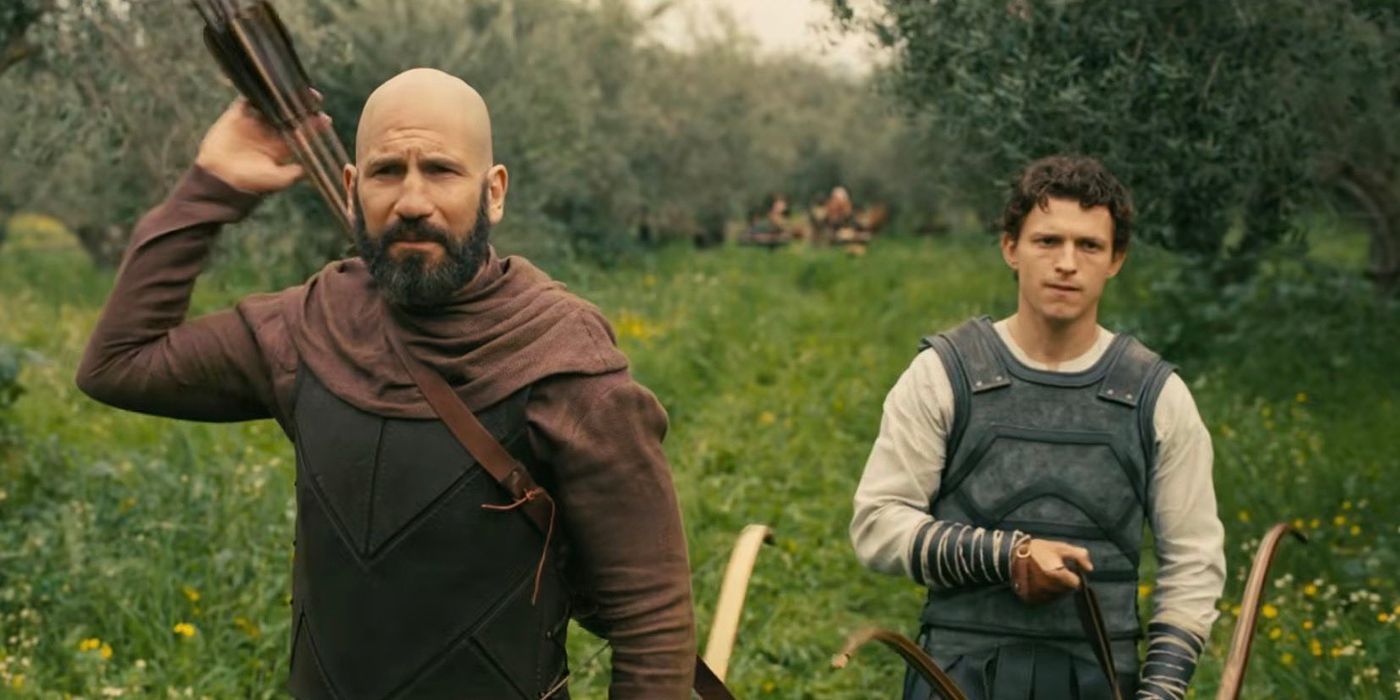
Character arcs in 2026’s films add depth to their narratives. In The Death of Robin Hood, Hugh Jackman plays a morally complex hero, deviating from traditional portrayals of heroism. This film challenges conventional narratives surrounding morality and redemption, offering a fresh perspective on legacy and personal choice.
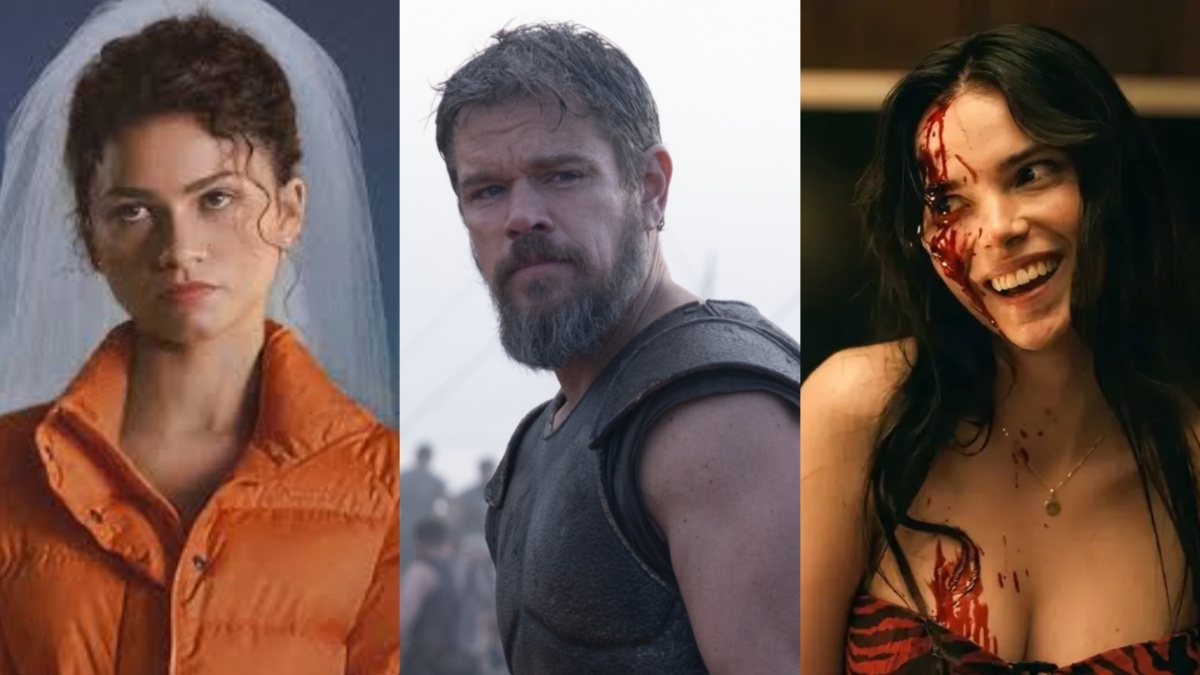
In The Drama, Zendaya’s character Emma navigates societal expectations and personal history as she prepares for her wedding. This film contrasts vulnerability with the desire for public approval, providing a compelling commentary on authenticity in relationships and self-identity.
Filmmakers in 2026 cleverly incorporate symbolism and cultural elements in their narratives. For instance, Black Zombie, directed by Maya Annik Bedward, uses the zombie trope to critique cultural appropriation. By connecting with historical themes, the film engages audiences in a dialogue about societal issues, highlighting how horror can provoke meaningful conversations.
Similarly, the film Gail Daughtry and the Celebrity Sex Pass juxtaposes the pursuit of desire with a critique of celebrity culture. This comedic narrative offers an absurdist take on fame and genuine connection, emphasizing the layers of meaning within the story.
The standout films thus far often conclude with resonant thematic focus. HoPe combines horror elements with moral dilemmas, inspiring contemplation about fear and human agency. The Odyssey culminates in a reflective moment that emphasizes the themes of loss and collective human experience.
In The Invite, the resolution offers comedic yet profound insights into intimacy and fulfillment, urging viewers to reflect on their perceptions of relationships. This layered closure underscores the complexity of emotional growth amid challenging circumstances.
Overall, the films of 2026 reveal a trend towards deeper character exploration and thematic richness. By emphasizing relationships and moral complexities, these filmmakers are resonating with contemporary audiences. These films not only entertain but also encourage viewers to reflect on their own lives and societal constructs, showcasing the enduring power of cinema. As the year progresses, more cinematic offerings are anticipated to enrich this ongoing dialogue.
For further exploration of these themes, check out:
Movie explanation
EpisodeBreakdown may use automated tools to assist research, drafting, and formatting. Published pages are governed by our editorial and corrections policies, and source links are shown when they are available in the article record.
Discovery source: Den of Geek. The source identifies where the topic was discovered; EpisodeBreakdown is responsible for the commentary published on this page.
Reader response
Reactions and poll results are based on real reader responses. No account is required.
IndieWire's Sequels Week delves into the impact and evolution of film sequels, exploring their significance and cultural resonance.