test
asdasd
Discover how The Dead Zone's six-season series outshines the 1983 film adaptation and reshaped Stephen King's legacy.
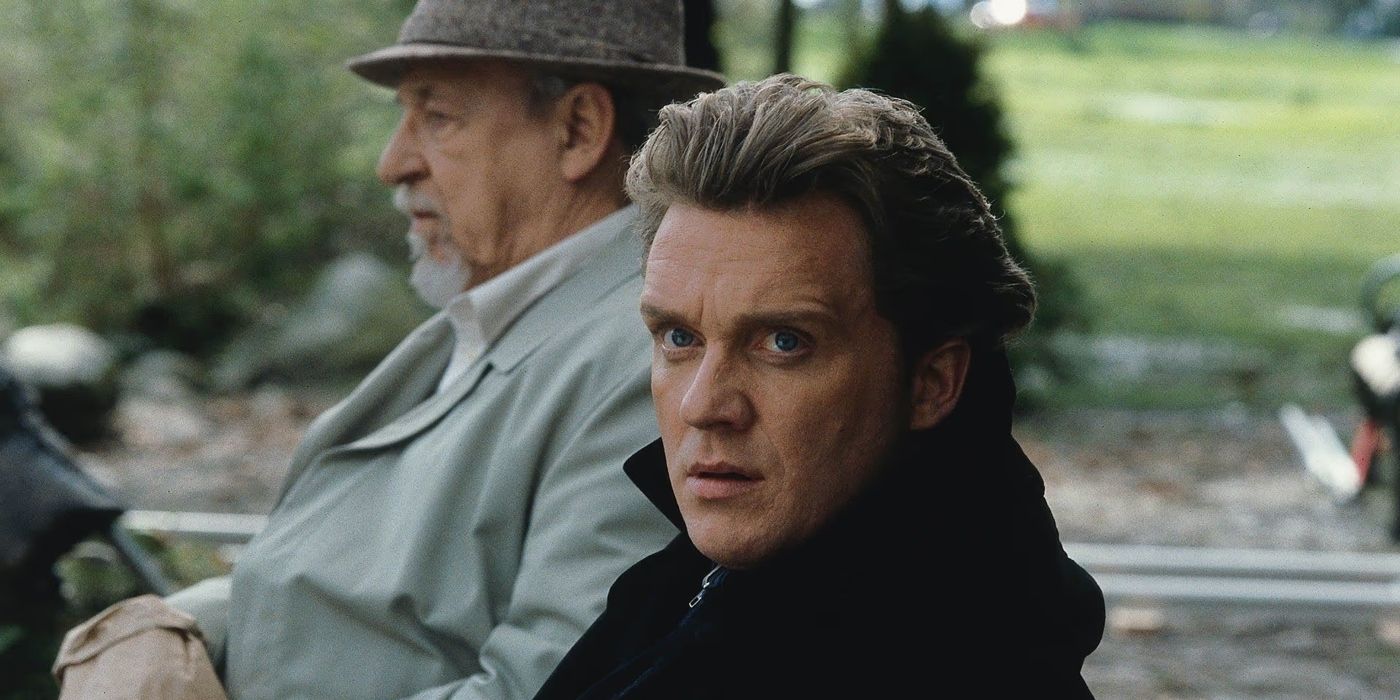
The six-part sci-fi series adaptation of Stephen King's The Dead Zone stands as a superior interpretation compared to its 1983 film counterpart. In simple terms, while the original film introduced audiences to Johnny Smith, the series expands upon his journey in significant ways, enriching character development and introducing episodic storytelling that resonates more deeply. This analysis will explore the distinctive attributes of the TV series, its impact on Stephen King's adaptations, and the nuances that set it apart from the acclaimed film.
The Dead Zone, both a novel and its adaptations, focuses on the life of Johnny Smith, who awakens from a six-year coma with psychic abilities. The original 1983 film directed by David Cronenberg presents Johnny as a tragic hero confronting a unique set of moral dilemmas. However, the 2002 series starring Anthony Michael Hall allows for a richer exploration of his character. The show's structure lets viewers experience not just Johnny's powers but also the day-to-day realities and emotional toll associated with them.
This deeper dive into Johnny's life portrays him as a relatable figure. He grapples with loss and a desire for normalcy amid extraordinary circumstances. Unlike the film, which remains tightly focused on tragedy, the series strikes a balance between Johnny's struggles and his humorous, superhero-like charm. This expanded character arc resonates with viewers, contributing to the series’ lasting appeal.
While the 1983 film embraces key storylines—most notably, Johnny's encounters with both the Castle Rock Strangler and politician Greg Stillson—the ongoing series takes these narratives further. Following the resolution of the serial killer plot, the show delves into fresh, sometimes far-fetched storylines, thus allowing for innovative storytelling while maintaining the original's thematic essence. The inclusion of a sidekick in the series enhances the procedural aspect of Johnny's adventures, making them feel both grounded and exciting.
In its exploration of new narratives, the show retains loyalty to King’s underlying messages: the complexity of moral choice and the burdens of extraordinary gifts. Viewers can follow Johnny's trials in various contexts, expanding the narrative universe beyond what the movie could convey in its brief runtime.
Not only does the TV adaptation of The Dead Zone excel on an individual level, but it also laid the groundwork for future episodic adaptations of Stephen King's works. It marked a departure from King’s typical miniseries format, establishing a model for longer narratives that delve deeper into characters. Following its success, the landscape of King's adaptations expanded significantly, leading to series like Under the Dome and The Institute.
In many ways, The Dead Zone became a blueprint; it dared to explore character development over multiple seasons. This model allowed for more intricate story arcs and an opportunity to engage audiences in a way that films typically could not. Essentially, the series propelled King’s narrative style into a new realm of acceptability in episodic television.
Despite its many merits, The Dead Zone encountered challenges leading to its cancellation in 2007 after six seasons. External factors, notably the writers’ strike of that year, played a significant role in derailing its momentum. The show concluded on a cliffhanger, leaving fans wanting more but also reflecting on the difficulties faced by many serialized shows during that tumultuous period in television history.
The show maintained strong ratings throughout its run on USA Network, affirming its place in the network's legacy and contributing to the rise of serialized storytelling in genres that combine sci-fi and crime elements. It’s worth noting how this show’s trajectory influenced subsequent offerings like Mr. Robot, setting a precedent for complex narratives on television.
The success of The Dead Zone not only highlighted the potential of King’s longer-form narratives but also inspired networks to invest in adaptations of his works. King's storytelling transitioned seamlessly onto the television screen, mirroring the engaging, character-driven plots that fans appreciated in his novels. Moreover, this paved the way for a new generation of adaptations that could explore the expansiveness of King's universe without the time constraints of film.
Viewers began to expect more profound explorations of character and theme in adaptations, which became a standard practice in the years that followed. The precedent set by The Dead Zone continues to serve as a testament to the potential of well-crafted television narratives based on beloved literary works.
The enduring legacy of The Dead Zone is rooted not just in its adaptations but in its impact on the evolution of Stephen King’s storytelling in television. By adopting a longer format, the series transformed King’s original narrative, elevating it in a way that the film could not. While it’s unfortunate that it ended prematurely, its influence is still felt across various modern shows that endeavor to capture the intertwining complexities of character and plot.
For those inspired by The Dead Zone, exploring King’s other adaptations will illuminate the breadth and diversity of his storytelling. Check out Nightmares & Dreamscapes: From the Stories of Stephen King or delve into Under the Dome—both of which benefited from the groundwork laid by this innovative series.
Ultimately, while the 1983 film adaptation of The Dead Zone remains iconic, the series offers a more satisfying, multi-layered experience, reinforcing King’s legacy in horror and science fiction.
For further exploration of how adaptations reshape narratives, consider reading 5 Pokémon Spinoffs That Are Better Than The Main Series or Exploring the 25 Funniest TV Shows of All Time.
Story breakdown
EpisodeBreakdown may use automated tools to assist research, drafting, and formatting. Published pages are governed by our editorial and corrections policies, and source links are shown when they are available in the article record.
Discovery source: CBR TV. The source identifies where the topic was discovered; EpisodeBreakdown is responsible for the commentary published on this page.
Reader response
Reactions and poll results are based on real reader responses. No account is required.