IndieWire
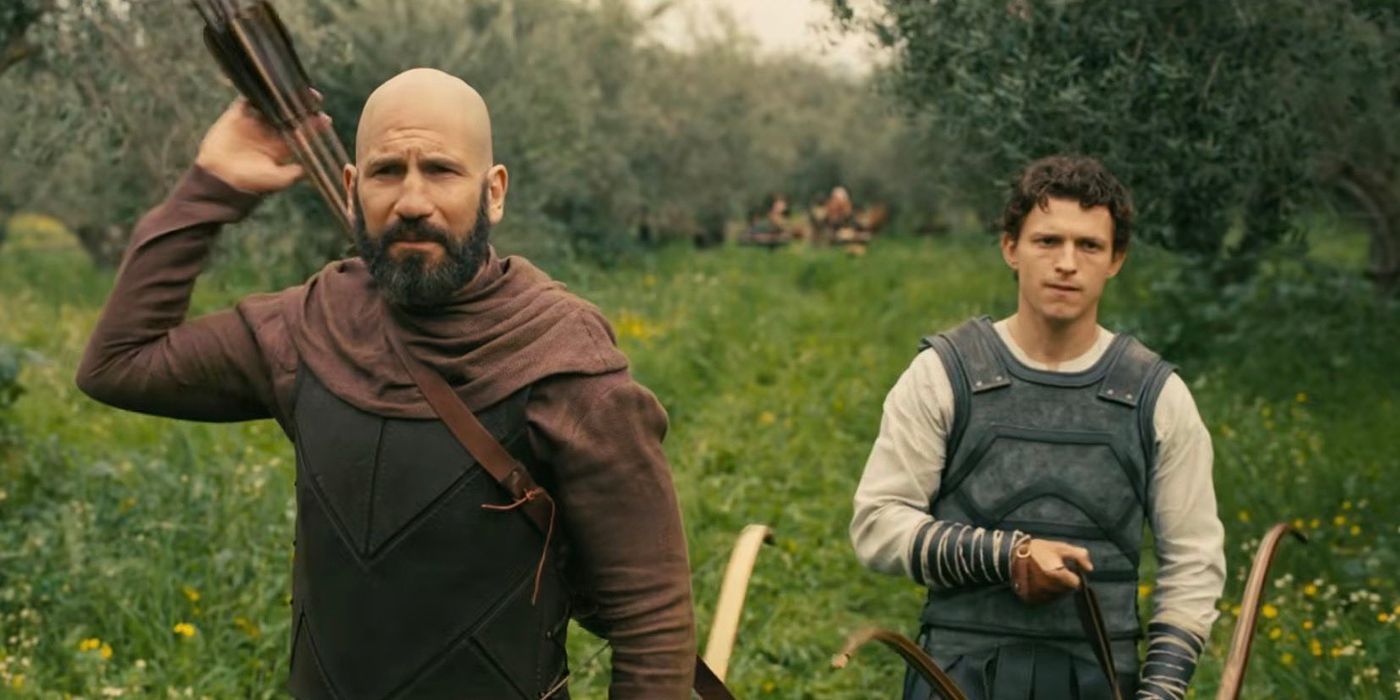
Exploring the Best Greek Mythology Movies After 'The Odyssey'
Dive into the top Greek mythology films that resonate with themes from 'The Odyssey' and explore their unique storytelling and character arcs.
This article examines the backlash against the AI dogs podcast promotion for 'The End of Oak Street' and its implications for the film's marketing strategy.
In simple terms, the central question arising from the backlash against the promotional campaign for David Robert Mitchell's The End of Oak Street is: why did Warner Bros. choose to use AI-generated dog hosts for a film marketing campaign? The combination of virtual canine hosts and the movie's intriguing premise sparked significant debate online. The backlash highlights a significant disconnection between the film's tone and the marketing approach employed.
What happened is that Warner Bros. released a 90-second promotional clip featuring two AI-generated dogs, Goldie and Frenchie, who host a pseudo-podcast. They welcomed Starbuck, a dog character from the upcoming film, into an absurd dialogue that veered into comical territory, questions about human co-stars Ewan McGregor and Anne Hathaway, and unexpected dinosaur interactions. This unorthodox choice of promotion neither aligned with the film's narrative nor held much substance. The clip was designed to pique interest, but instead, it incited disappointment and confusion.
The promo illustrates the rising trend of using artificial intelligence in entertainment. According to industry statistics, there are over 175,000 AI-generated podcast episodes available on major platforms like Spotify and Apple. The sheer volume of AI content likely led to the marketing decision to partner with the Dog Pack podcast, which aims to capitalize on this boom. However, this choice seems to have backfired in terms of audience reception.
The confirmed event surrounding this marketing strategy is that the 90-second clip was harmless yet polarizing, inciting frustration instead of excitement. Online commenters expressed concerns that the promo undermined the film's quality, suggesting that such gimmicky marketing can alienate potential viewers. While the AI dog's comedic approach could appeal to a younger demographic, it did not resonate well with audiences expecting a more serious tone that the original movie premise suggested.
Critics pointed out that the understanding of The End of Oak Street as a family-friendly yet mysterious narrative starkly contrasts the playful demeanor presented in the promo. The film was initially pitched with an air of suspense, leading viewers to wonder about how suburban life transforms into a more fantastical realm. Instead, the promo emphasized humor, featuring dinosaurs in a manner that seemed to trivialize the film's deeper themes.
One notable theme that arises from the promotional strategy is the disconnect between marketing and content integrity. While the film itself allegedly explores deeper issues surrounding family dynamics and existential struggles, casting two animated dogs as hosts suggests a shift toward a lighter, more accessible narrative. This brings into question the character choices portrayed within the film and how those choices translate into audience engagement.
Moreover, the inclusion of behind-the-scenes clips featuring regular dog actors adds confusion. Audience members are left to wonder about the reality of the film's CGI elements versus its practical effects. This inconsistency in presentation might lead to skepticism regarding the film's overall quality, an ironic outcome considering the emphasis many recent blockbusters, like Project Hail Mary, have placed on practical effects.
Although the backlash to the promo raised numerous inquiries, several unknowns remain, particularly about the film's actual content. Critics noted that viewers are left to question whether Warner Bros. implemented AI-generated material within the movie itself, leading to further degradation of trust in the marketing. Several viewers articulated that this promotional tactic does not align with the serious tone of Mitchell’s previous work, specifically the horror-thriller It Follows.
As such, the marketing choice feels like a significant deviation from the film's original thematic promise of suspense and mystery. Instead, it shifts toward a more family-oriented approach that may alienate devoted fans of Mitchell's storytelling style. The juxtaposition of humor, as seen in the promo, against the eerie elements promised in the film raises critical concerns about how the film will be received upon release.
The conclusion of the AI dogs promo ultimately reveals a movie marketing strategy that prioritizes trends over content substance. Given that The End of Oak Street was characterized by its mystery, the promo’s open focus on dinosaurs offers a misaligned exposure that could detract from potential viewer interest. The mystery surrounding the film's premise is further muddled by transparent attempts at humor, leaving audiences uncertain about the film's actual narrative.
While the promo may serve various marketing needs, it fails to shed light on the main story elements and new dimensions that The End of Oak Street is intended to explore. As audiences await its release, many questions linger regarding how this promotional misfire will make an impact on box office performance and viewer opinions.
What’s clear is that the film's trajectory post-promo requires careful navigation to regain the confidence of viewers now wary from the marketing misjudgment.
In conclusion, the digital dogs’ promotional blunder serves as a cautionary tale about the importance of aligning marketing strategies with a film's essence. As the premiere date of The End of Oak Street approaches, Warner Bros. will need to recalibrate its promotional approach to better reflect the film's themes and intended audience engagement. By focusing on the core narrative and moving away from gimmicky tactics, the studio can potentially salvage interest and draw in audiences who may have been dissuaded.
While earnings projections for the film remain optimistic, ranging between $25 to $35 million for its initial opening, the efficacy of this strategy will be determined by how it resonates with audiences both pre- and post-release. We can only await the reception of The End of Oak Street and reflect on how marketing decisions can profoundly shape public perception.
For further reading on thematic explorations in cinema, see our analyses of The Odyssey and how practical effects enhance storytelling. Additionally, check out our breakdown of other recent summer films and box office strategies.
Movie explanation
EpisodeBreakdown may use automated tools to assist research, drafting, and formatting. Published pages are governed by our editorial and corrections policies, and source links are shown when they are available in the article record.
Discovery source: IndieWire. The source identifies where the topic was discovered; EpisodeBreakdown is responsible for the commentary published on this page.
Reader response
Reactions and poll results are based on real reader responses. No account is required.
IndieWire's Sequels Week delves into the impact and evolution of film sequels, exploring their significance and cultural resonance.