Ben Affleck Explains His Casting Decisions for ‘Animals’
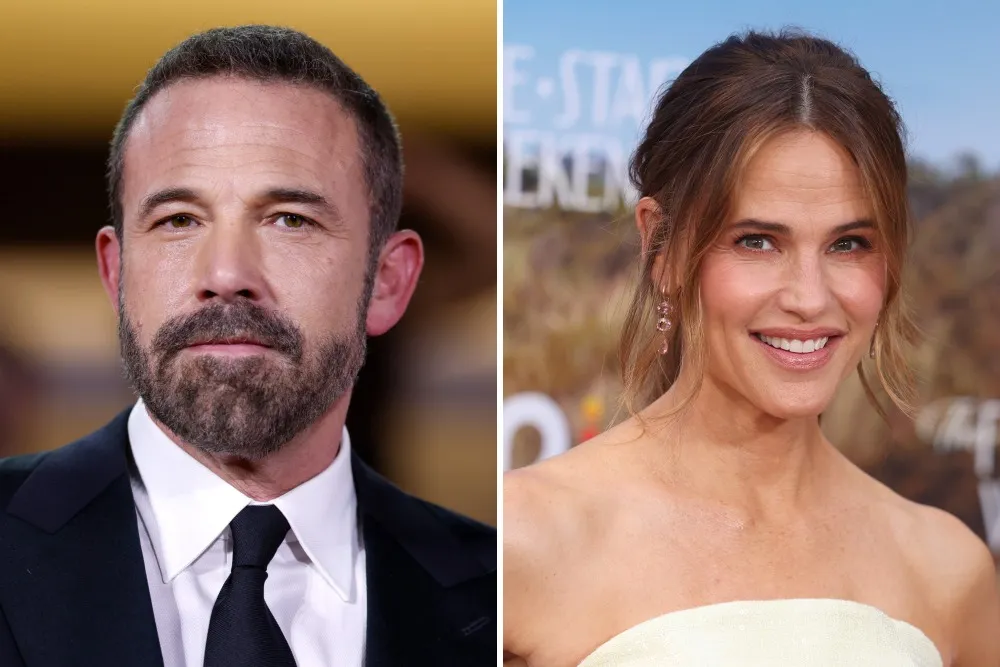
Ben Affleck shares insights into his casting choices for ‘Animals,’ revealing he nearly cast ex-wife Jennifer Garner in a leading role.
Robin Williams' 2004 film *The Final Cut* explores unsettling themes of memory, privacy, and identity, revealing deeper truths about the human experience.
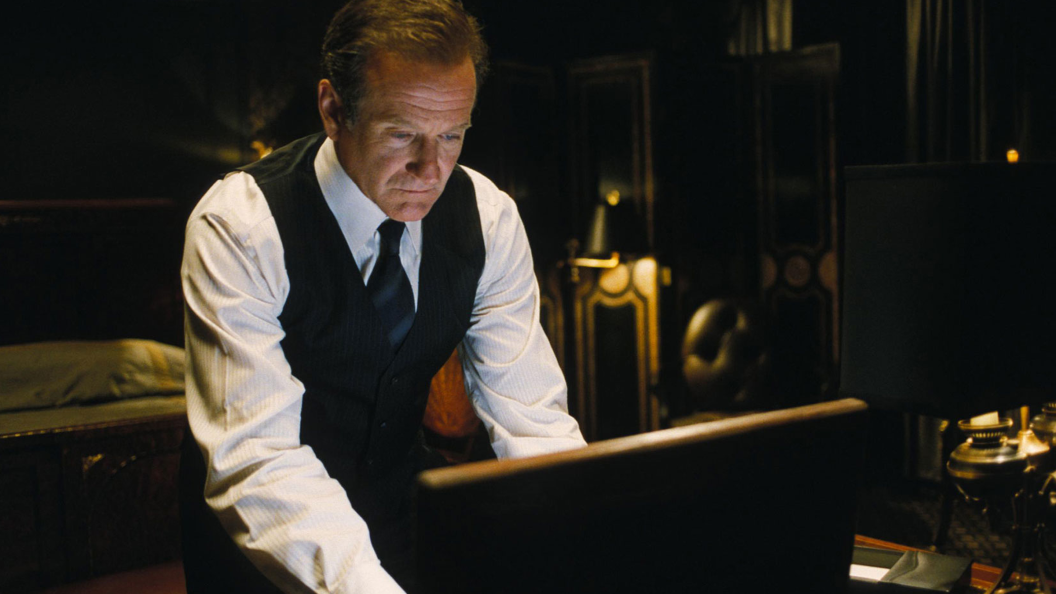
Robin Williams' 2004 film The Final Cut has gained renewed interest for its exploration of memory, privacy, and identity in a technologically advanced world. This re-evaluation highlights the film's thematic relevance as society grapples with these issues today.
While widely recognized for his comedic roles in classics like Mrs. Doubtfire and Jumanji, Williams ventured into darker territory with films such as One Hour Photo and Insomnia. In The Final Cut, he portrays Alan Hakman, a "cutter" responsible for editing recorded memories for posthumous presentations, presenting a morally ambiguous job that forces him to confront profound ethical dilemmas and his own troubled past.
Set in a dystopian future, the film depicts a society where individuals are implanted with a Zoe chip that records their every moment. This chilling premise allows Hakman to curate the memories of deceased individuals, raising complex questions about identity and the nature of memory in a world devoid of privacy. As he performs his duties, he encounters painful memories from his past, intertwining his professional and personal life in harrowing ways.
Despite the film's limited theatrical release and modest box office earnings—approximately $3.6 million—The Final Cut raises essential questions about our perceptions of memory and identity that remain relevant. Williams’ performance departs from his usual improvisational style, lending a somber tone that emphasizes the film’s serious implications for human experience.
The film opens with a childhood incident where a young Alan (played by Williams) inadvertently causes his friend Louis to fall, an event that haunts him throughout his life. This trauma resurfaces when Alan is tasked with creating a Rememory for Charles Bannister, a key player in the company behind the Zoe technology. During this process, he uncovers disturbing truths, including evidence of abuse, and the shocking realization that Louis survived the fall, fundamentally altering Alan's understanding of guilt and memory.
As the narrative progresses, Alan discovers he himself is implanted with a Zoe chip and must confront the unsettling possibility that his memories have been shaped by incomplete information. This revelation culminates in a tragic twist that forces him to face the consequences of his actions and the moral complexities of his profession.
The Final Cut may not have achieved commercial success, but it offers a contemplative examination of memory’s role in shaping identity, making it a significant entry in Williams' filmography. As technology increasingly allows for the recording and editing of experiences, the film poses vital questions about privacy that resonate in today’s digital age.
For fans of Robin Williams' diverse talent, revisiting The Final Cut provides an opportunity to reflect on his emotional range and the complexities of human memory.
Entertainment news
EpisodeBreakdown may use automated tools to assist research, drafting, and formatting. Published pages are governed by our editorial and corrections policies, and source links are shown when they are available in the article record.
Discovery source: ComicBook.com. The source identifies where the topic was discovered; EpisodeBreakdown is responsible for the commentary published on this page.
Reader response
Reactions and poll results are based on real reader responses. No account is required.