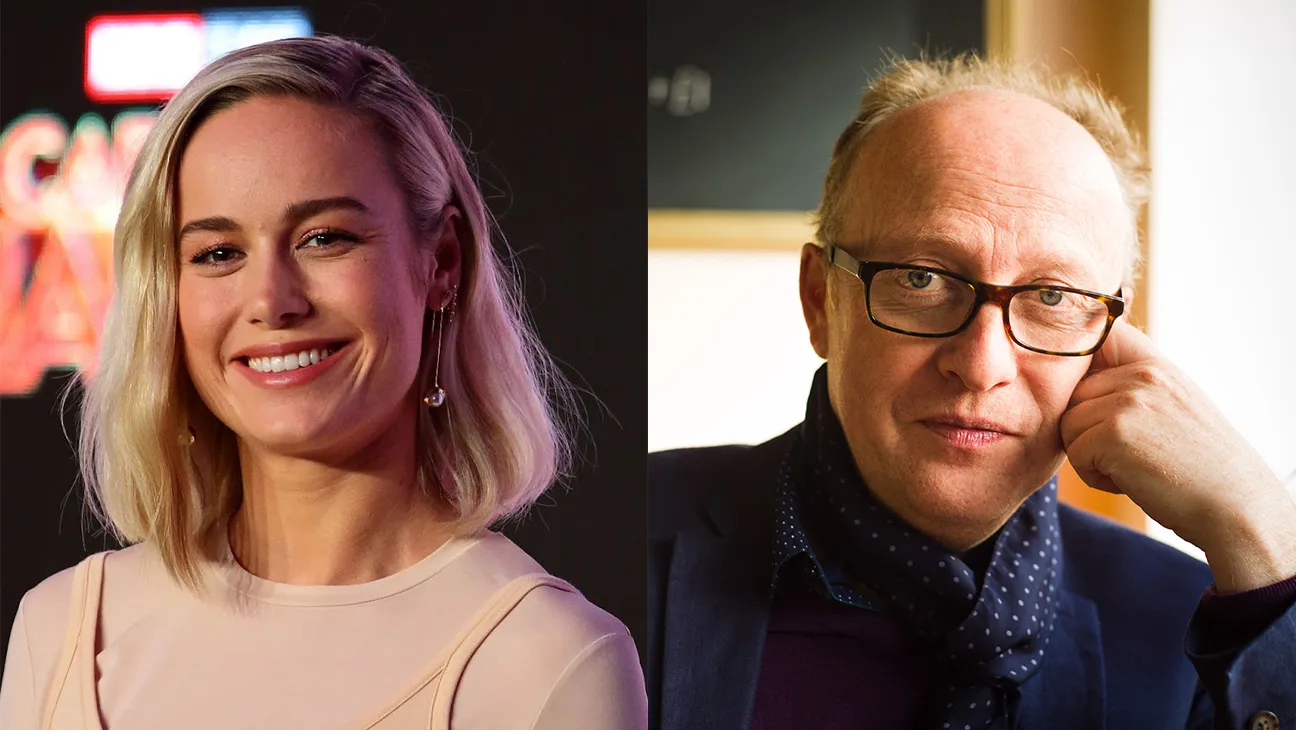
Brie Larson Film Adaptation of 'One Italian Summer' Sets Spring 2028 Release From Paramount
Harry Bradbeer helms the feature take on Rebecca Serle's best-selling novel about personal loss and familial connections.
Zack Snyder's indie film 'The Last Photograph' premiered at TIFF and received mixed reviews for its storytelling and character development.
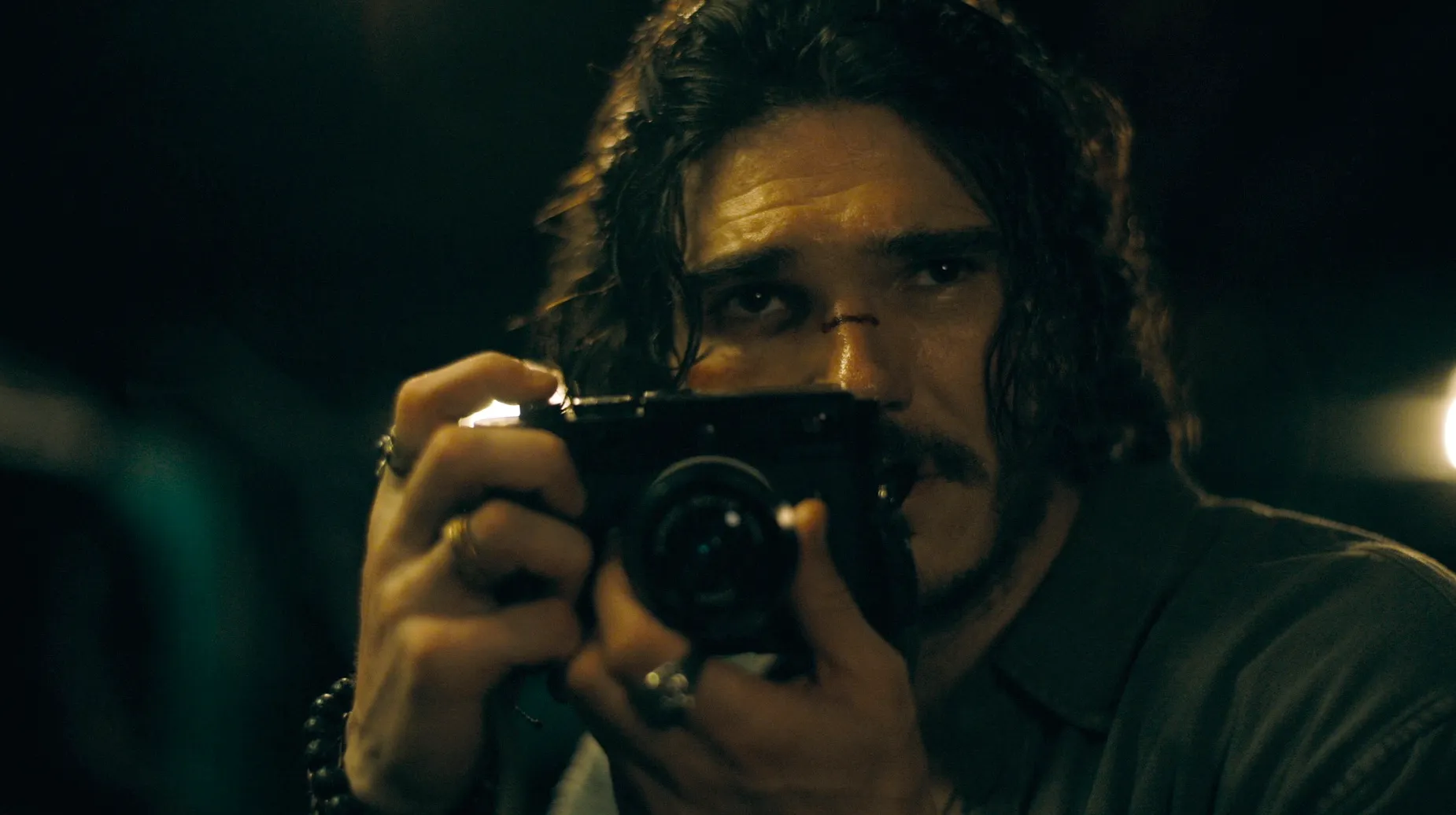
Zack Snyder's latest film, The Last Photograph, premiered at the Toronto International Film Festival (TIFF) on September 14, 2026. This film marks Snyder's venture into indie filmmaking following his notable tenure with the DC Extended Universe. According to The Hollywood Reporter, the film stars Stuart Martin as Ethan Black, an ex-DEA operative on a quest to rescue his abducted niece and nephew in the mountains of South America after the murder of his brother and sister-in-law.
Critics have had mixed reactions to The Last Photograph. Described as a passion project by Snyder, the film features a combination of intense action and emotional depth, yet many found its execution lacking. Reviewers noted that while Snyder's cinematography captures stunning visuals, the film suffers from overstuffed symbolism and tedious dialogue. Many attendees of the premiere reportedly left the screening feeling bewildered by the film's approach and pacing.
The film follows Black, who teams up with Joe Wallace, portrayed by Fra Fee, a drug-addicted photographer. Together, they navigate the dark realities of their mission in a narrative that tries to incorporate themes of revenge and redemption. Some audience members may find the story's violent elements overshadow its philosophical inquiries and character development, leading to a complex reception among Snyder's fan base.
In The Last Photograph, Ethan Black's journey evolves into one of transformation as he grapples with his violent past. Critics emphasize that the film struggles with character depth, labeling its protagonists as more representative of archetypes than fully realized individuals. The portrayal of female characters and the indigenous population has raised concerns about underlying stereotypes present within the narrative.
Snyder's use of symbolism—particularly with the recurring motif of yellow butterflies—has prompted discussions regarding narrative depth and coherence, with some feeling it becomes excessive. Fans and newcomers alike may find these aspects polarizing, impacting overall engagement with the film.
Snyder, credited as both director and cinematographer, endeavors to blend intricate visual storytelling with personal themes. Critics have highlighted that while certain visual elements succeed in creating atmosphere, the film's heavy reliance on familiar tropes detracts from the viewer's experience. Rather than delivering a multifaceted narrative, it risks becoming tedious.
At TIFF, The Last Photograph was showcased under Special Event status, indicating it will not have additional screenings following its premiere. This decision may affect how the film is perceived, potentially limiting opportunities for audience discussions and deeper engagement, particularly given its complex critical reception.
As Snyder navigates the transition to independent filmmaking, The Last Photograph serves as a bold yet contentious entry in his filmography. While it strives to explore profound themes of loss and revenge, its execution may challenge audience expectations. How Snyder's fan base will receive this departure from the blockbuster style remains an open question, as industry reactions to the film could impact future indie projects from established filmmakers. For now, discussions surrounding The Last Photograph will likely shape its trajectory in festivals and potential distribution deals moving forward.
For more insights on Snyder’s cinematic journey, check our articles on Zack Snyder Goes Indie with 'The Last Photograph' and Zack Snyder’s ‘The Last Photograph’ Debuts at TIFF.
Entertainment news
EpisodeBreakdown may use automated tools to assist research, drafting, and formatting. Published pages are governed by our editorial and corrections policies, and source links are shown when they are available in the article record.
Discovery source: The Hollywood Reporter. The source identifies where the topic was discovered; EpisodeBreakdown is responsible for the commentary published on this page.
Reader response
Reactions and poll results are based on real reader responses. No account is required.