test
asdasd
A detailed breakdown of the themes, characters, and artistry in The Ninth Jedi episode in Star Wars: Visions.
Explore the franchise
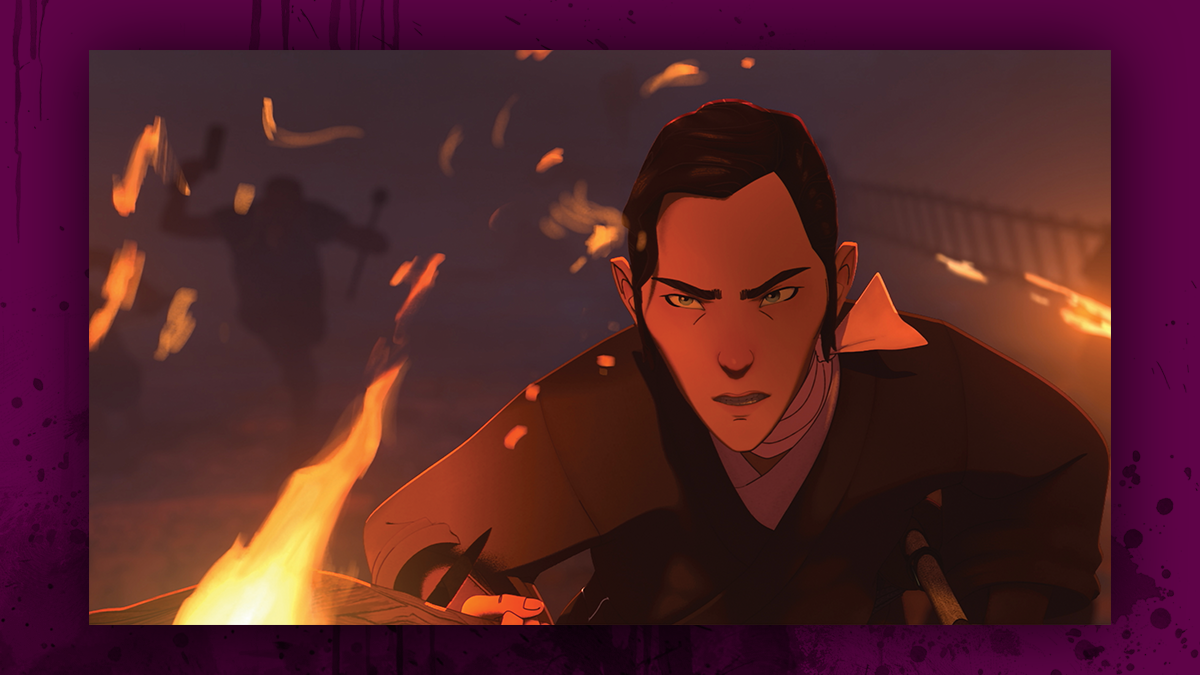
In simple terms, The Ninth Jedi, part of the Star Wars: Visions anthology, intricately weaves action, philosophy, and character development in a post-Jedi galaxy. This anime series not only reaffirms classic Star Wars themes but introduces new nuances about power, choice, and moral ambiguity through its lead characters and their journeys.
Here is what is confirmed: The Ninth Jedi takes place during a time when the Jedi Order has all but vanished, fractured by chaotic warlords, and the conflict primarily unfolds between the formidable Margrave Juro, the last remnants of Jedi, and the ruthless warlord Nawaam. The stakes are raised by Kara, a young woman who symbolizes hope yet grapples with internal turmoil as she learns her strength may carry a darker future.
Set against a cosmos ruled by despotic warlords, The Ninth Jedi presents a galaxy yearning for the restoration of balance. Margrave Juro seeks to collect the few surviving Jedi, aiming to revive the once-revered Order. He opposes Nawaam, a masked villain who embodies the cruel philosophy that only the strongest should survive. This polarized conflict lays a gripping foundation for the series that evolves as the story progresses.
At its core, the narrative pulls in events from the broader Star Wars canon, inviting viewers to reflect on long-standing issues of power and moral responsibility. As Juro gathers the Jedi, audiences see a desperate attempt to kindle hope in a community shattered by conflict.
While the opening episodes engage viewers with classic Star Wars adventures, it is in the later arcs that the characters achieve depth. With a focus on Kara, Zhima, and Nawaam, the series elevates its storytelling through dynamic character interactions and growth.
Kara’s journey reveals her as a powerful figure torn between light and dark. As she battles external threats, the real conflict lies within her. She struggles to reconcile her formidable abilities with the repercussions of wielding them. Her father, Zhima, is a pivotal character whose past as a bladesmith intertwines with the main theme of personal redemption and the burden of legacy. Nawaam, on the other hand, represents a pitched worldview where power is paramount, reflecting contrasting ideals across their arcs.
Unlike the good-versus-evil narratives often seen in Star Wars, The Ninth Jedi delves into a more nuanced examination of power and choice. Both Kara and Nawaam embody philosophies that compel viewers to question what it means to wield power responsibly.
Kara’s conflict often thrusts her into dark choices for the sake of survival, while Nawaam’s viewpoint dismisses traditional morality in exchange for strength. The anime highlights that true power, albeit dangerous, can be acquired through understanding and emotional clarity, as seen in the evolution of Kara’s character arc. This thematic exploration makes the series more than just a visual spectacle, transforming it into a meditation on relationships and the nature of good versus evil.
On the artistic front, The Ninth Jedi excels in both animation and music, maintaining a distinct Star Wars feel without overshadowing the franchise's legacy. The visuals transition from psychedelic space battles to dynamic lightsaber duels that utilize the animated format to enhance emotional stakes effectively.
Notably, the color-changing sabers present a clever narrative device linked to each character's mental state, further anchoring the thematic essence of choice. The animation’s vibrancy and depth beckon viewers, drawing them into the tumultuous world of the Star Wars universe.
The score complements these visuals, immersing audiences in the timeless ambiance of Star Wars while introducing original compositions that resonate within this specific storyline.
Despite minor criticisms regarding supporting character development, The Ninth Jedi generally resonates well with viewers, capturing both the nostalgic Star Wars experience and presenting engaging new narratives. It stands as a testament to the potential of storytelling within the Star Wars franchise, especially when intertwined with rich anime artistry and storytelling.
For fans eager to delve deeper into this universe, related content can be found in our pieces on the New Star Wars Series Continues Strong Rotten Tomatoes Performance and 10 Pivotal Anime Series That Defined the 2020s.
The Ninth Jedi is not just an exciting adventure; it is an enriching exploration of what it means to be a hero in a fractured society. By focusing on character complexities, the series breathes new life into the familiar themes of the Star Wars saga. As it invites fans to reflect more deeply on the Force's balance, personal responsibility, and moral choices, it posits the question: how far should one go to protect what they love? As we await future installments, there's an underlying hope that the franchise continues this trend of high-quality storytelling.
Story breakdown
EpisodeBreakdown may use automated tools to assist research, drafting, and formatting. Published pages are governed by our editorial and corrections policies, and source links are shown when they are available in the article record.
Discovery source: Anime News Network. The source identifies where the topic was discovered; EpisodeBreakdown is responsible for the commentary published on this page.
Reader response
Reactions and poll results are based on real reader responses. No account is required.