The Diplomat
The Odyssey Characters Explained: Motivations and Arcs
Explore the complex characters of The Odyssey, understanding their motivations and evolution throughout the legendary tale.
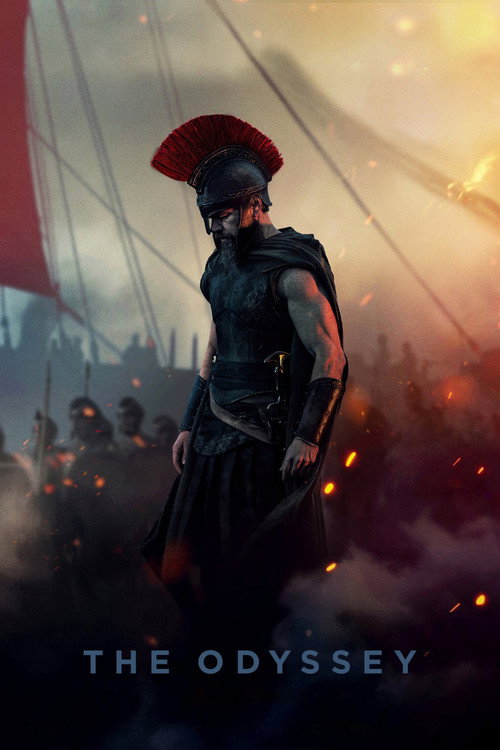
Explore the complex characters of The Odyssey, understanding their motivations and evolution throughout the legendary tale.
In this examination of The Odyssey, we delve into the intricacies of its key characters, revealing their motivations and developmental arcs through Odysseus's perilous journey. The narrative unfolds as Odysseus, the cunning king of Ithaca, strives to return home post-Trojan War, facing formidable challenges posed by both supernatural beings and deeply human trials.
The Odyssey follows Odysseus's epic journey back to Ithaca, emphasizing the enduring themes of perseverance, loyalty, and the quest for identity amidst adverse conditions. Characters are defined by their struggles and decisions, making the narrative rich with moral and philosophical implications.
Set in the aftermath of the Trojan War, The Odyssey explores themes of heroism and humanity. Odysseus finds himself on a tumultuous odyssey, encountering various mythological creatures and divine entities that test his resolve, intellect, and morality. The story highlights not only his physical journey but also the emotional and psychological depths he must traverse to reclaim his home and family.
Odysseus is the quintessential hero whose intellect and resourcefulness define his character. His motivation to return home to Ithaca is fueled by deep love for his family and a longing for identity. Throughout his journey, he grapples with temptations and obstacles that force him to reconsider what home truly means.
As the faithful wife of Odysseus, Penelope represents loyalty and resilience. Left alone to fend off suitors, her character embodies the struggle of waiting and maintaining hope, showcasing her unwavering dedication amid uncertainty.
The son of Odysseus, Telemachus undergoes significant development throughout the story. Initially portrayed as a passive figure, his journey toward manhood reflects themes of growth and discovery as he seeks his father and reclaims his rightful place in Ithaca.
The goddess of wisdom often intervenes in Odysseus's journey, guiding him through perilous trials. Her motivations highlight the divine influence in human affairs, supporting themes of fate and divine intervention.
As the god of the sea, Poseidon serves as a formidable antagonist to Odysseus. His resentment for Odysseus’s actions during the Trojan War manifests in relentless obstacles. Poseidon's character emphasizes the unpredictability of divine wrath and its impact on mortal lives.
Currently, the detailed ending of The Odyssey is not available. However, the overarching conclusion is centered on Odysseus's return to Ithaca, the reclaiming of his throne, and the restoration of family ties. The climax of his journey aims to resolve the tensions built from years of separation and strife.
Though much of The Odyssey is well-established, interpretations and adaptations continue to emerge, exploring untold aspects of the narrative and offering new insights into character motivations and relationships. Future adaptations could delve deeper into the psychological implications of Odysseus's experiences and their effects on his character and family.
The Odyssey remains a topic of interest not only due to its historical significance in literature but also because of its contemporary explorations in film and various adaptations. The journey of Odysseus resonates with timeless themes of perseverance, identity, and the human condition, ensuring its relevance in modern discussions.
The characters in The Odyssey are intricately woven into its narrative fabric, each embodying different facets of the human experience. Through their diverse motivations and arcs, the story transcends time, offering insights into loyalty, identity, and the relentless pursuit of home. The enduring legacy of these characters continues to inspire reinterpretations and invites audiences to reflect on their own journeys.
Q: Who is the main character of The Odyssey?
A: The main character is Odysseus, the king of Ithaca.
Q: What are the main themes in The Odyssey?
A: Themes include heroism, loyalty, the quest for identity, and the impact of divine intervention in human lives.
Q: How does Odysseus show his cunning?
A: Odysseus demonstrates his cunning through strategic thinking and clever tactics, such as devising the Trojan Horse and outsmarting monsters he encounters.
Q: What role does Penelope play in Odysseus's story?
A: Penelope represents loyalty and resilience, serving as a key figure in maintaining the integrity of their household while waiting for Odysseus's return.
Q: What does Telemachus's journey symbolize?
A: Telemachus's journey symbolizes growth and self-discovery, reflecting the transition from boyhood to manhood as he seeks to reclaim his father’s legacy.
Character guide
EpisodeBreakdown may use automated tools to assist research, drafting, and formatting. Published pages are governed by our editorial and corrections policies, and source links are shown when they are available in the article record.
Discovery source: TMDB. The source identifies where the topic was discovered; EpisodeBreakdown is responsible for the commentary published on this page.
Reader response
Reactions and poll results are based on real reader responses. No account is required.
Allison Janney and Bradley Whitford deliver standout performances in 'The Diplomat' Season 3's Amagansett episode, exploring complex character dynamics with humor and depth.