movies
Exploring New Horror Movie Releases
Christopher Nolan's The Odyssey has overtaken Peter Jackson's Lord of the Rings at the box office, raising questions about cinematic legacy and viewer engagement.
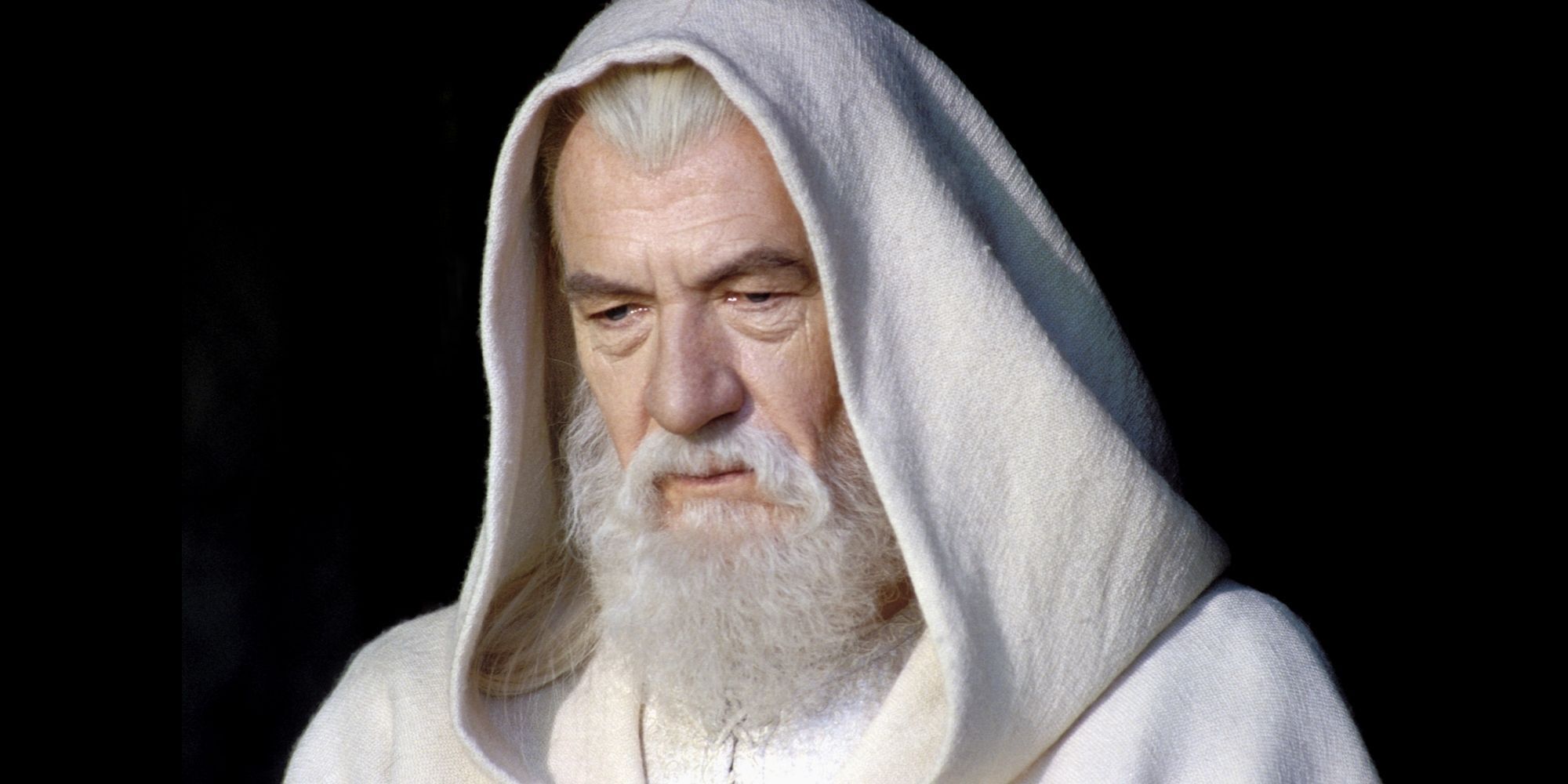
In simple terms, Christopher Nolan's latest release, The Odyssey, has surpassed Peter Jackson's The Lord of the Rings: The Return of the King, marking a significant moment in box office history. While Jackson's film once dominated as the highest-grossing domestic fantasy film, Nolan's epic has taken over, demonstrating the evolving landscape of cinematic popularity. The central question that emerges from this is: What does this shift reveal about audience tastes and the current state of blockbuster filmmaking? The answer lies in Nolan's unique approach to storytelling and the themes he explores in The Odyssey.
The financial success of The Odyssey speaks volumes. It grossed over $50 million in its third weekend alone, taking the domestic box office to a monumental $430 million when combined with the release of Spider-Man: Brand New Day. This unprecedented box office performance is complemented by the striking fact that The Odyssey has crossed the $900 million mark worldwide, with expectations to reach $1 billion shortly after. Such figures are comparable to Nolan's previous hits, The Dark Knight and The Dark Knight Rises, but they also prompt a reevaluation of how genre films resonate with modern audiences.
The contrast between The Odyssey and Jackson's epic can be partly attributed to how each film represents its genre. While Jackson's trilogy defined fantasy filmmaking in a critical and commercial context, Nolan's work invigorates mythological storytelling by infusing it with primal human emotion. This reflects a shift in audience preferences toward complex narratives grounded in character-driven experiences.
One of the notable aspects of The Odyssey is its focus on character development. Nolan excels at creating multifaceted characters that resonate with viewers. Each character embodies unique strengths and vulnerabilities, enticing the audience to become emotionally invested. This character-centric approach starkly contrasts with the sometimes broader archetypes presented in Jackson's Lord of the Rings. The inhabitants of Nolan's world grapple with internal conflicts that invite viewers to reflect on their own challenges.
Thematically, The Odyssey invites exploration of fate, identity, and the human condition, reminiscent of the classic works it draws inspiration from. This examination serves to deepen the narrative, aligning it with modern sensibilities while still drawing from ancient sources, thus paying homage to the traditions of myth-making.
As the narrative unfolds, The Odyssey offers various clues embedded within its storyline that highlight larger existential themes. Through allegorical references and echoes of previous literary works, Nolan crafts a narrative that resonates on multiple levels. The film captures the essence of journey, both physical and metaphorical, which is crucial in understanding its narrative arc.
The film’s structure encourages the audience to reflect on the choices made by the characters and their implications on broader societal issues. Themes such as loyalty, sacrifice, and the quest for identity survive in a constantly evolving world echo the struggles found in Jackson's works, but they do so with nuances that speak to today's audience.
The conclusion of The Odyssey encapsulates the themes explored throughout the film. While details are professionally withheld from the analysis for viewer excitement, it is clear that the ending serves more than just resolution; it embodies the journey of self-discovery and acceptance. This finale resonates deeply with the earlier scenes, showing how the characters have evolved and what's been gained or lost amidst the challenges faced.
Nolan ties together the narrative with emotional weight, allowing for a climactic finale that leaves audiences reflecting long after the credits roll. This poignant ending serves to establish a narrative legacy that may challenge other franchises, including the illustrious Lord of the Rings.
The critical and audience responses to The Odyssey have been overwhelmingly positive. It holds a remarkable 94% critics' score and a staggering 97% audience score on Rotten Tomatoes, emphasizing its successful reception. This enthusiastic reaction indicates a potential rebirth of epic narratives, signaling a trend in Hollywood where originality and depth become pivotal in capturing audience interest.
Conversely, the sustained popularity of Jackson's Lord of the Rings trilogy showcases a powerful nostalgia that can't be dismissed. As The Odyssey continues to break records, it offers a timely reminder that previous masterpieces still hold resonance in current cinematic discussions. Thus, this rivalry encourages ongoing dialogues concerning narrative innovation and legacy.
The rise of The Odyssey over Peter Jackson’s monumental The Return of the King underscores a shift in audience expectations. As blockbuster filmmaking evolves, the necessity for deeper character explorations, nuanced themes, and emotional resonance could reshape how future films approach their narratives. The success of The Odyssey may significantly influence upcoming projects, potentially leading to a new era in film that values storytelling excellence as much as commercial success.
This turning point not only challenges previously established conventions but encourages filmmakers to trust their visions, pushing boundaries in creativity and emotional storytelling. As the film world looks toward Nolan's triumph, it may very well be paving the way for future masterpieces that blend both spectacle and substance effectively.
Stay tuned for insights on related cinematic trends, including Spider-Man: Brand New Day and its impact on popular culture, as well as a closer analysis of Christopher Nolan's profound approach to storytelling.
Movie explanation
EpisodeBreakdown may use automated tools to assist research, drafting, and formatting. Published pages are governed by our editorial and corrections policies, and source links are shown when they are available in the article record.
Discovery source: Collider. The source identifies where the topic was discovered; EpisodeBreakdown is responsible for the commentary published on this page.
Reader response
Reactions and poll results are based on real reader responses. No account is required.
A deep dive into the new horror movies released on August 4, 2026, analyzing plots, themes, and character choices.