test
asdasd
Ten years on, The Promised Neverland's manga is overshadowed by its anime's failure, affecting its legacy among fans.
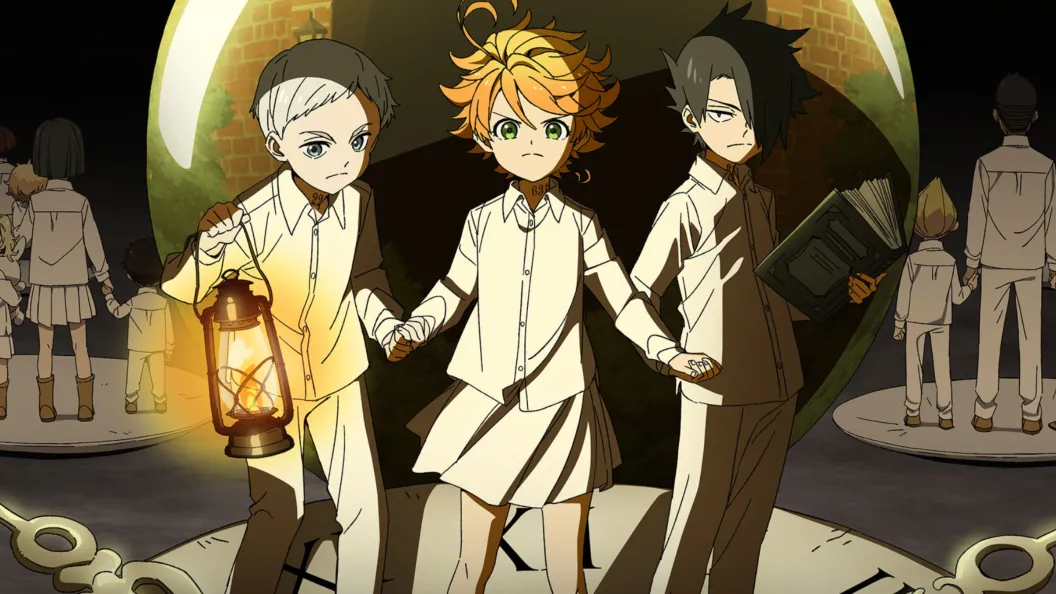
In simple terms, The Promised Neverland faced a significant legacy issue due to its poorly received anime adaptation. First premiering in Shonen Jump in 2016, the series began with tremendous promise but stumbled in its execution, especially in the second season. Fans expected a continuation of the compelling narrative introduced in the manga, but were met with a rushed conclusion that left many feeling betrayed. This breakdown explores how the anime's failure continues to shadow the series' legacy nearly a decade later.
When The Promised Neverland launched, it was hailed for its captivating premise. The story begins in an orphanage where the main characters—Emma, Norman, and Ray—unravel the horrific truth about their home, realizing it serves as a farm for demons. The manga's first arc captivated readers, establishing a rich world filled with tension and ingenious plotting. Its ability to blend horror with childhood innocence made it a standout in the crowded landscape of Shonen Jump.
The manga initially maintained a strong momentum, particularly with the gripping Goldy Pond Arc, where Emma battles a cunning bounty hunter. This arc demonstrated the growing stakes and expanded the narrative in engaging ways, solidifying its place among notable titles of the 2010s. However, critical deceleration in storytelling coherence led to waning interest as the series progressed. Many fans began questioning whether it had lost its initial charm.
The anticipation around the The Promised Neverland anime was palpable, especially after the success of the first season, which concluded with a well-crafted cliffhanger. Fans eagerly awaited the exploration of the outside world and the series' subsequent arcs. Unfortunately, the second season dashed these hopes when it abruptly sped through critical arcs, opting for a disjointed, half-hearted adaptation that failed to explain the plot complexities.
Viewers were stunned as key storylines were omitted and crucial character developments were glossed over. This rushed adaptation culminated in a lesser finale originally defined in the manga. What was meant to be a compelling conclusion felt jarring and lackluster—a monumental disappointment for both anime-only watchers and dedicated manga fans alike. Such missteps have forever altered how the series is perceived, with many associating it with this profound failure.
As The Promised Neverland approaches its 10-year anniversary, the specter of its failed anime adaptation looms large. Although there are murmurs about potential new adaptations, the damage appears to be done. Fans are skeptical about revisiting the franchise without the burden of the unfulfilled expectations from the anime. The narrative potential that once existed seems forever marred, capped by the anime's inadequate representation of the source material.
Critics and fans alike share a consensus: despite the manga's intriguing premise and initially strong arcs, the anime created a barrier to future enjoyment. The core characters—Emma, Norman, and Ray—have become less iconic due to how the series concluded in the animated format. This has led to a long-standing debate over whether the manga can reclaim its place among Shonen Jump's best.
Indeed, several popular titles have aged better than The Promised Neverland, marking how a failed anime can redefine a series's legacy. For comparison, series like My Hero Academia continue to command respect long after their conclusions, largely untainted by on-screen mismanagement.
The possibility of a revival or definitive adaptation raises questions among dedicated followers of The Promised Neverland. Will the franchise ever gain back the glow it once had? Fans who knew the original manga have vivid memories and may not be open to a new adaptation, while newcomers would likely struggle to understand the lore that has been poorly communicated. The stigma surrounding the anime adaptation acts as a formidable barrier for any prospective revival.
The future remains uncertain, but a hopeful message persists among loyal fans. Some believe that a reconsideration with a dedicated team could restore Faith in the franchise, should it manage to highlight the complexities and nuances embedded within the manga's narrative.
What this means for The Promised Neverland is still open to interpretation. With myriad discussions around its anime's execution, fans are left to grapple with a legacy that feels compromised. Whether the series can overcome its manga-to-anime transition will depend on future adaptations and how they approach the storyline. The shadow of its past looms large, and while many still honor the brilliance of the manga, the path forward will require overcoming the weight of past failures.
Story breakdown
EpisodeBreakdown may use automated tools to assist research, drafting, and formatting. Published pages are governed by our editorial and corrections policies, and source links are shown when they are available in the article record.
Discovery source: ComicBook.com. The source identifies where the topic was discovered; EpisodeBreakdown is responsible for the commentary published on this page.
Reader response
Reactions and poll results are based on real reader responses. No account is required.