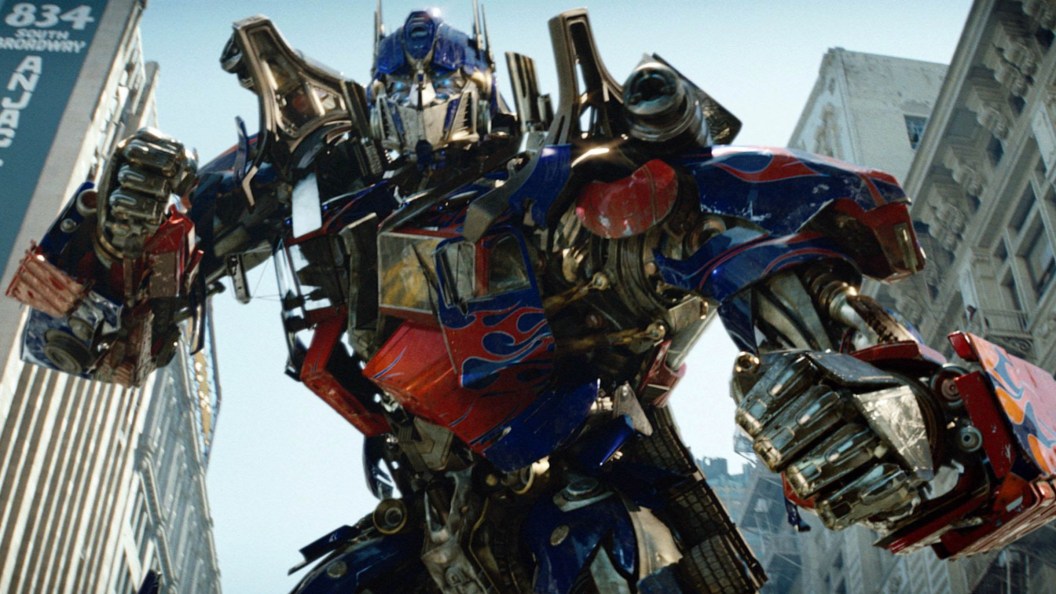
Transformers One Remains an Underrated Classic Two Years Later
Two years post-release, Transformers One is praised as the ultimate film in the franchise, despite its box office struggles.
Originally released in 1994, *The Swan Princess* faced a dismal box office debut but has since become a beloved cult classic, spawning 11 sequels.
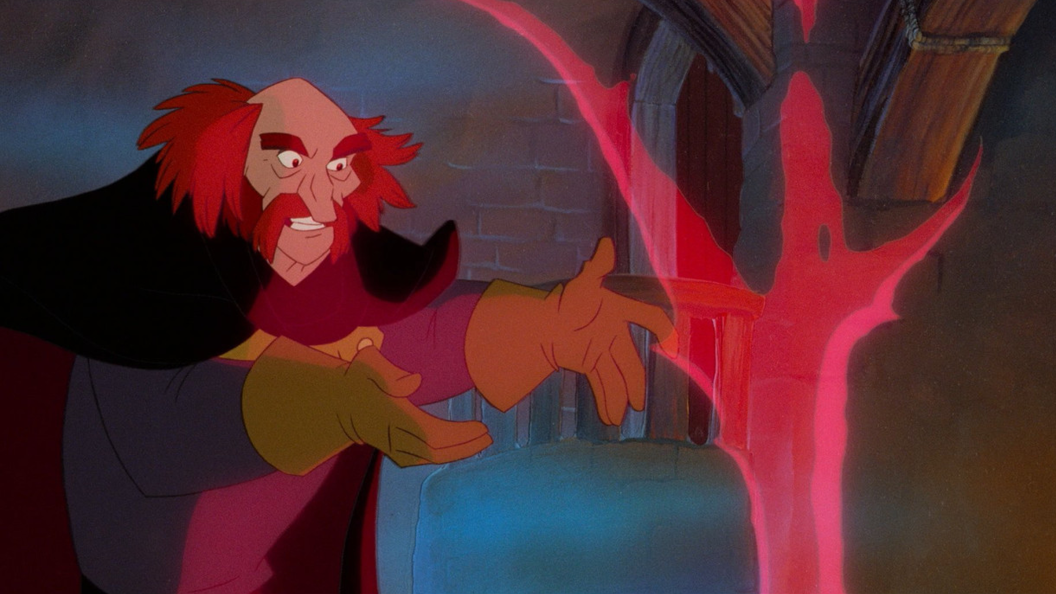
The Swan Princess, released on November 18, 1994, initially struggled at the box office, earning a mere $2.45 million against a production budget of more than $20 million. This animated film, featuring a classic fairy tale mix of romance, magic, and humor, seemed destined for obscurity during an era dominated by Disney hits like The Lion King. However, the movie's legacy took a surprising turn as it transitioned to home video, ultimately becoming a beloved cult classic with 11 direct-to-video sequels.
Upon its release, The Swan Princess was lost among over 1,400 films vying for audience attention. Despite its appealing storyline and strong creative team, including former Disney animator Richard Rich, the film's performance was subpar, finishing its theatrical run with approximately $9.77 million. This substantial gap between budget and earnings underscored the challenges faced by non-Disney animated films during the 1990s.
The cinematic landscape at the time favored Disney, leaving films like The Swan Princess overshadowed. It was a stark reminder of how brand loyalty could dictate audience choices, as families gravitated toward familiar Disney storytelling. Despite critical components like romance and catchy tunes, the film struggled to attract viewers, leading many to question its viability as a theatrical release.
The turning point for The Swan Princess came when it reached audiences through VHS. It resonated with a generation of children who connected with its narrative, replaying it countless times and sharing the experience with siblings and friends. The film quickly ascended to become the number-one animated non-Disney film of the 1990s in home video sales. Notably, its song “Far Longer Than Forever” earned a Golden Globe nomination, further embedding the film into popular culture.
In contrast to its theatrical performance, the VHS era allowed the film the time to find its audience; children grew up with it, making it a staple of their formative years and forging a lasting bond with its characters and music.
As The Swan Princess continued to gain traction, it evolved into a franchise with a remarkable 11 direct-to-video sequels. These films, while not all receiving equal acclaim, showcased the enduring appeal of Odette and Derek's story. By its 25th anniversary in 2019, Richard Rich revealed that it had sold around 20 million home video copies, illustrating its sustained popularity and growth.
This evolution from box office failure to cult favorite underscores the film's unique journey. It highlights a broader lesson: not every successful film needs to break records upon release; sometimes, the right audience discovers a story, allowing it to flourish long after its initial run.
The tale of The Swan Princess is one of resilience—a reminder that a film's impact can transcend its box office receipts. As The Swan Princess continues to enchant new generations, it proves that the essence of a story can emerge long after the credits roll. This enduring legacy invites reflection on the nature of success in the film industry.
What this means is that sometimes a film needs time and the right audience to realize its potential.
Entertainment news
EpisodeBreakdown may use automated tools to assist research, drafting, and formatting. Published pages are governed by our editorial and corrections policies, and source links are shown when they are available in the article record.
Discovery source: ComicBook.com. The source identifies where the topic was discovered; EpisodeBreakdown is responsible for the commentary published on this page.
Reader response
Reactions and poll results are based on real reader responses. No account is required.