test
asdasd
Explore the revival of a controversial character decision involving Negan in The Walking Dead: Dead City, eight years after it divided fans.
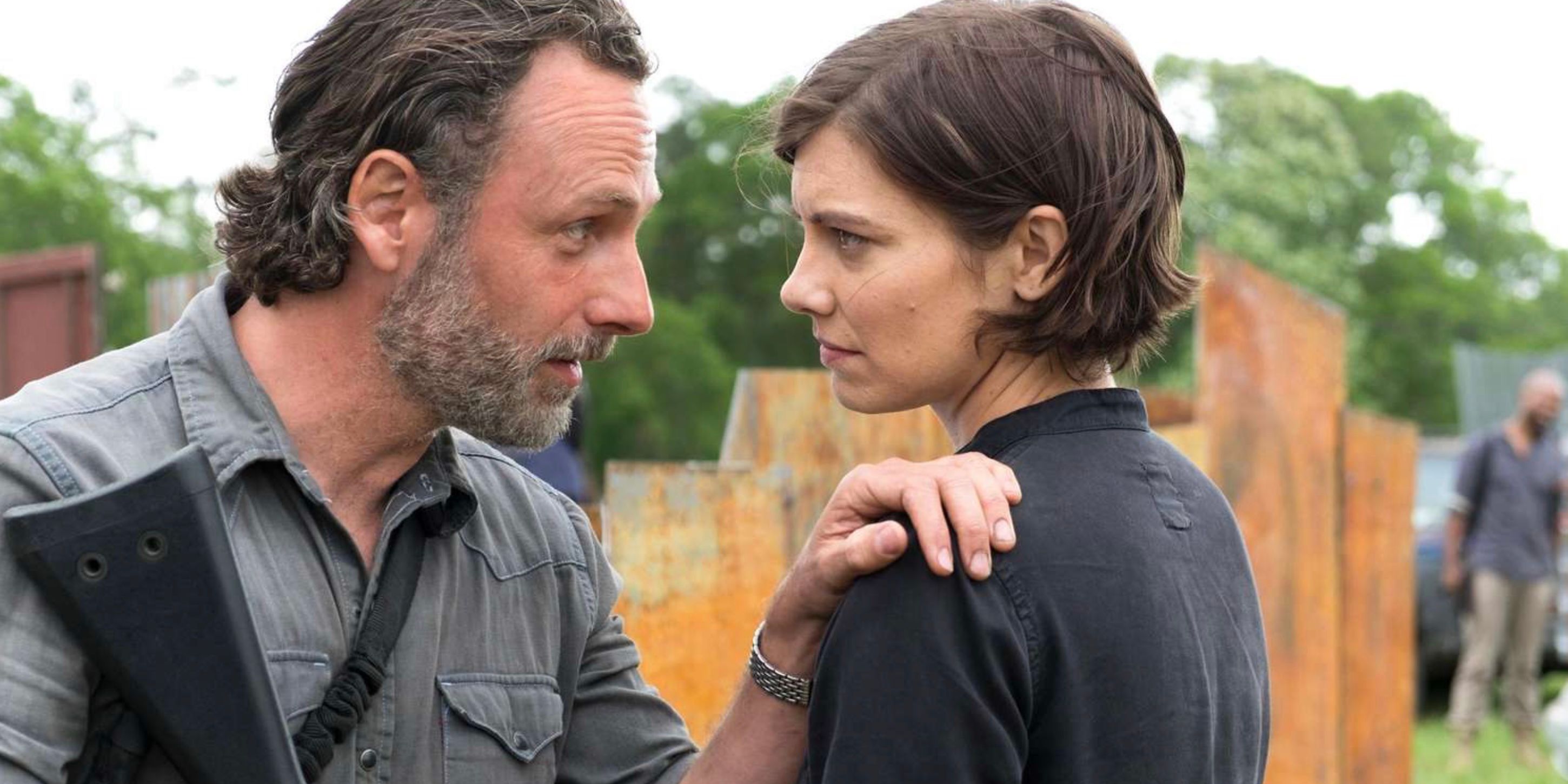
In simple terms, The Walking Dead’s recent spin-off, Dead City, revives a long-standing debate regarding the character Negan and his controversial survival at the end of Season 8. The show reignites discussions about morality, punishment, and redemption among its characters, echoing past conflicts faced within the original series.
The decision that stirred extreme reactions from the audience in Season 8 was Rick Grimes’ choice to spare Negan, despite Maggie's pleas for justice against his brutal actions. This moment shapes not only character motivations but also influences the storyline of Dead City as it brings back questions about the repercussions of violence and the nature of forgiveness.
The original conflict arose when Rick decided to imprison Negan in Alexandria, highlighting a moral fork in the road—where survival often clashes with ethical considerations. In the original story arc, Rick believes that sparing Negan demonstrates humanity in a cruel world. However, this decision leads to a rift between him and Maggie, whose loss and anguish over her loved ones' death leave her yearning for vengeance. This debate returns in Dead City as Maggie, now portrayed with a more evolved perspective, grapples with a similar situation regarding the Dama, a new antagonist.
In Dead City, Maggie, Renata, and Negan face a new dilemma when they capture the Dama, raising questions about whether to execute or show mercy to this threatening figure. What makes this situation intriguing is the role reversals: Maggie expresses a desire for compassion whereas her companion Negan advocates for a more ruthless resolution. It invites viewers to question whether Negan's evolution has genuinely changed his approach to violence, or if he defaults to his past actions under pressure.
Maggie's character arc has evolved significantly since her original grievances against Negan. Where she once sought his death, she now promotes not killing the Dama to maintain the moral foundation of her community, a pivotal shift from her earlier mindset. However, her indifference towards the Dama's fate hints at lingering complexities associated with moral absolutes. Despite her growth, Maggie allows for another layer of ambiguity: if the Dama chooses to end her own life, Maggie won’t oppose it. This complexity reinforces that forgiveness and healing are not linear paths.
Negan's character is also at the center of this revival. While he shows signs of potential redemption through rehabilitation, his immediate actions contradict Maggie's hopes of mercy, as he takes action against the Dama without her knowledge. This duplicity raises questions about the authenticity of his redemption arc and whether his past crimes can ever be forgiven.
In The Walking Dead and its spin-offs, moral ambiguity remains a recurring theme. Both Rick and Maggie, despite their respective choices, grapple with guilt, the consequences of their actions, and the irreplaceable lives lost throughout their journey. The show creates a space where fans can engage with these complex issues without providing straightforward resolutions, keeping audiences invested in the characters' dilemmas.
As the debate surrounding Negan’s fate resurfaces in Dead City, it not only connects the audience back to the original series but also sets the stage for potential narrative arcs that explore justice versus mercy. The fate of the Dama stands as a reflection of past choices made by key figures like Rick and Maggie, giving fans a chance to re-evaluate their opinions based on new character growth and contextual shifts.
Related discussions emerge surrounding the broader implications of how characters navigate their dark pasts, enriching the narrative tapestry of The Walking Dead universe. For those interested in exploring these developments further, our breakdown of The Walking Dead: Dead City Season 3 Episode 2 offers detailed insights into character interactions.
Negan’s actions in Dead City signal that the moral questions surrounding his character are far from settled. As the series progresses, it will be intriguing to see how Maggie continues to confront her own values contrasted against Negan's past and present decisions. This renewed conflict between the two characters not only revives conversations from eight years ago but also paves the way for deeper narrative layers within the franchise.
The crucial takeaway remains this: the complexities of vengeance, redemption, and community are timeless themes in The Walking Dead. Fans continue to be torn between moral positions, just as the characters grapple with their pasts, ensuring that this discussion around Negan and his fate will resonate for years to come.
For additional context on the evolution of The Walking Dead universe, check out our article on The Walking Dead Universe: Revival and Renewal Insights.
Story breakdown
EpisodeBreakdown may use automated tools to assist research, drafting, and formatting. Published pages are governed by our editorial and corrections policies, and source links are shown when they are available in the article record.
Discovery source: CBR TV. The source identifies where the topic was discovered; EpisodeBreakdown is responsible for the commentary published on this page.
Reader response
Reactions and poll results are based on real reader responses. No account is required.