Spider-Man: Brand New Day's Box Office Marvel
Analyzing the success of Spider-Man: Brand New Day's incredible box office performance and deeper themes.
Exploring the impact of Thor's profound quote in The Dark World on his character's evolution.
Explore the franchise
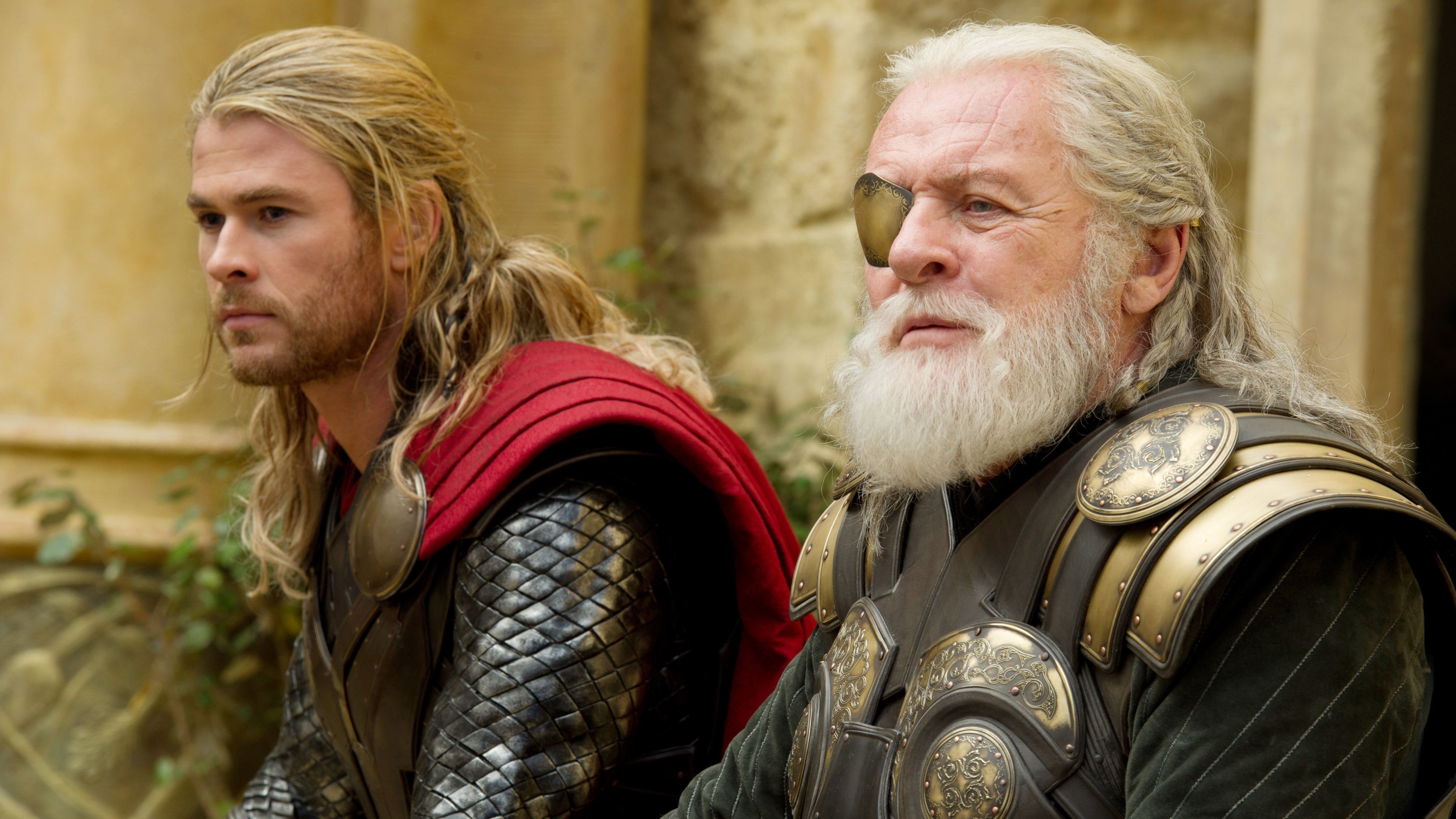
In simple terms, the central question of Thor: The Dark World is whether the titular character can embrace humility over ambition. The resolution of this question is profoundly encapsulated in Thor's assertion: "I'd rather be a good man than a great king." This key moment not only illustrates Thor's character development but also sets a thematic precedent for his future appearances in the Marvel Cinematic Universe (MCU).
The exchange unfolds in the climax of the film. After vanquishing Malekith, Thor finds himself in an emotional confrontation with his father, Odin. However, unbeknownst to him, this is a deception; it is actually Loki disguised as Odin. Even so, Thor's response to the illusionary Odin reveals his inner growth. He understands that ruling is not merely about power but involves sacrifice and moral integrity.
Thor's journey begins in the original Thor film, where he is portrayed as an impetuous warrior eager for glory. His arrogance initially blinds him to the responsibilities of leadership. As he transitions through the events of The Dark World, his time on Earth serves as a catalyst for growth, teaching him lessons in sacrifice, humility, and the value of being a protector rather than a ruler.
In contrast to his earlier self, Thor learns to care for others, which informs his statement in The Dark World. The choice between personal ambition and ethical integrity is at the core of Thor's character development, and this theme resonates throughout the MCU.
Another noteworthy aspect of The Dark World is its antagonist, Malekith the Accursed. While many MCU villains enjoy deeper backstories or grander motivations, Malekith remains somewhat enigmatic. This underestimation contributes to the film's status as a lesser entry in the MCU, yet it is crucial to Thor's journey. The fight against Malekith is not merely a battle of might but a reflection of Thor's evolving values.
What elevates Thor's quote is its humanizing quality. By stating he would rather be a good man than a great king, Thor acknowledges the moral complexities inherent in leadership. This statement carries weight beyond its immediate context. It signals his decision to connect with the mortal individuals he once deemed inferior, suggesting that true greatness lies in one’s actions and virtues rather than titles and thrones.
Thor's comment about preferring to be a good man rather than a great king also ties into broader themes in the MCU, where power often comes with sacrifice. This underscores a recurring narrative arc for many characters in the franchise, revealing the emotional and moral weight that comes with greatness. Characters like Steve Rogers and Tony Stark mirror this duality of duty and morality.
As the MCU continues to evolve, Thor's quote remains a crucial thematic element. Following the events of The Dark World, Thor does ascend to kingship after the fall of Hela in Thor: Ragnarok. However, he struggles to balance this newfound role with his inclination to protect his people in a direct manner, emphasizing his ongoing internal conflict between being a ruler and a hero.
In Avengers: Infinity War, Thor's focus shifts from kingship to vengeance after the catastrophic loss of his people at the hands of Thanos. This lack of traditional rulership frees him to embrace a more action-oriented identity, showcasing that while kingship is a part of his destiny, his true calling is that of a guardian.
The thematic resonance culminates in Avengers: Endgame, where Thor reveals his intentions not to rule New Asgard but to leave Valkyrie in charge, thus reinforcing his identity as a protector rather than a king. This decision is both poignant and emblematic of his growth throughout the series.
While Thor: The Dark World may often be overlooked within the MCU, it serves as a pivotal moment in Thor's character arc. His profound quote encapsulates the essence of what makes him a beloved figure—instead of aspiring to greatness for its own sake, he chooses moral integrity and human connection.
Understanding this aspect helps to appreciate the depth of Thor's character and the intricate web of themes explored throughout the MCU's narrative—a reminder that often, the greatest battles are fought not with weapons, but with convictions.
Thor's journey reflects a central truth about leadership in the world of the MCU: the capacity to choose goodness over power defines true greatness. This statement resonates deeply as audiences continue to witness Thor's evolution in subsequent installations, revealing that while he may wear a crown, his heart is firmly rooted in the betterment of others rather than personal glory. The essence of being a ‘good man’ reverberates through the franchise, shaping not only Thor but also the arcs of other heroes who are compelled by their moral choices.
Movie explanation
EpisodeBreakdown may use automated tools to assist research, drafting, and formatting. Published pages are governed by our editorial and corrections policies, and source links are shown when they are available in the article record.
Discovery source: CBR Movies. The source identifies where the topic was discovered; EpisodeBreakdown is responsible for the commentary published on this page.
Reader response
Reactions and poll results are based on real reader responses. No account is required.