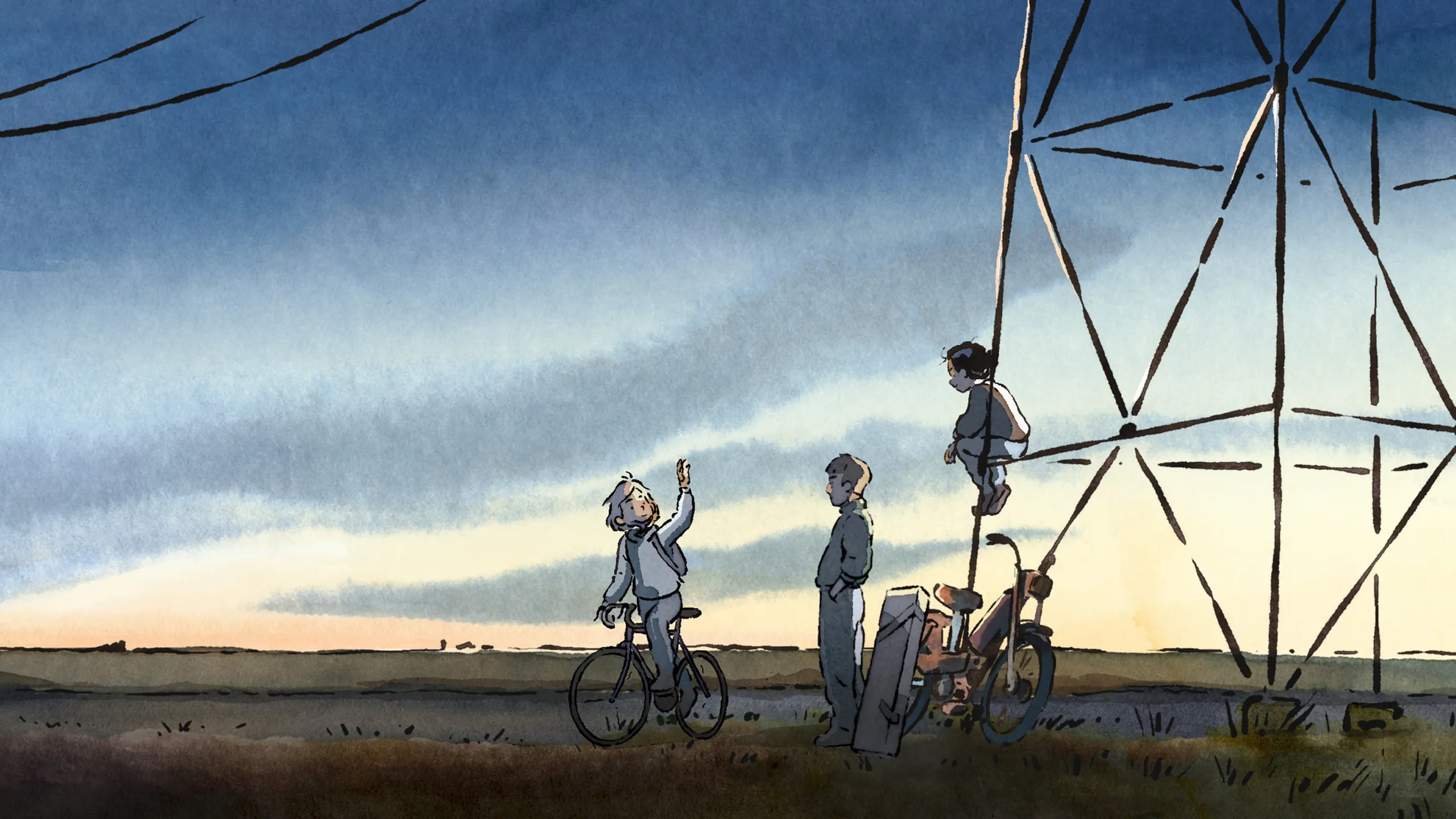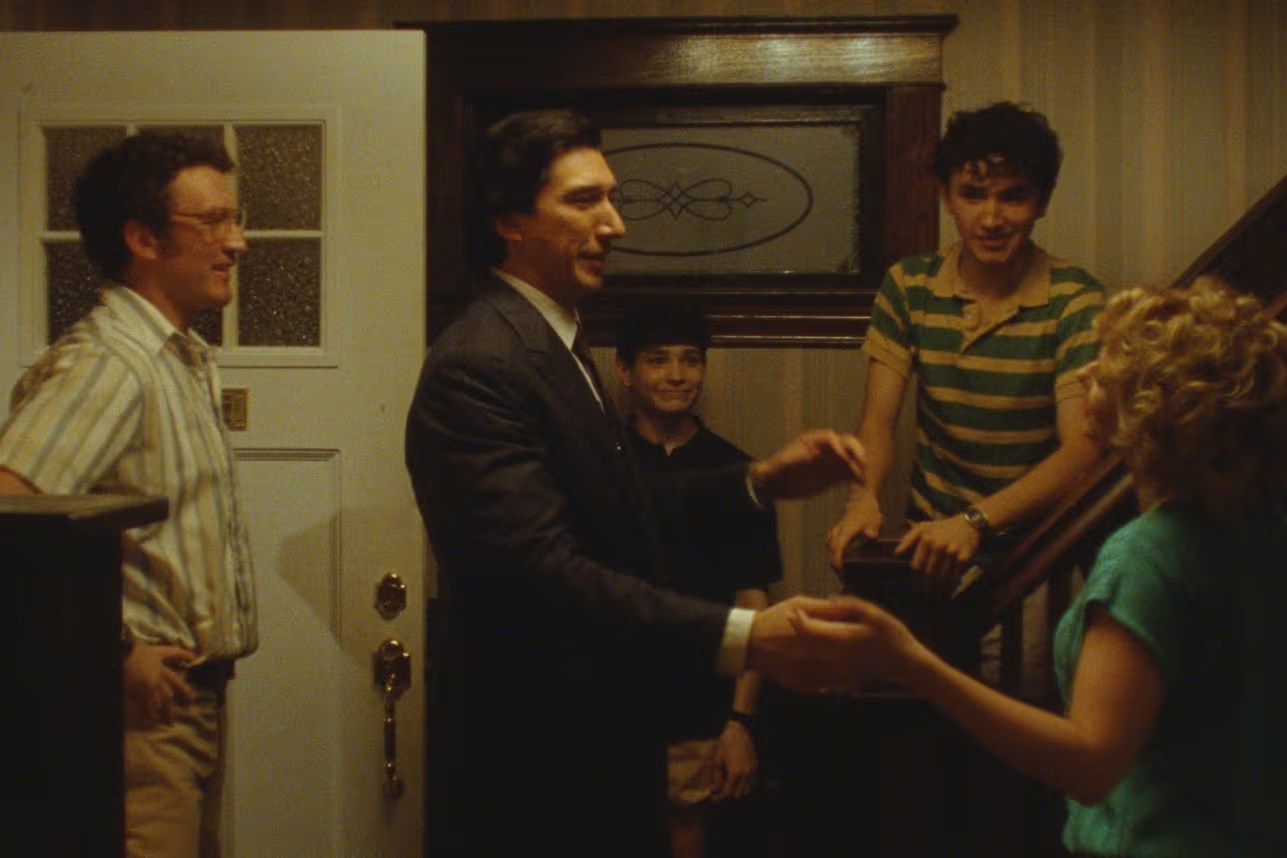
‘Paper Tiger’ and ‘Musk’ Documentary Featured at 2026 SFIFF
The 2026 Santa Fe International Film Festival showcases key titles including 'Paper Tiger' and 'Musk', marking an exciting lineup for this year.
Tim Burton's first film, Pee-Wee's Big Adventure, includes a memorable, terrifying moment that has haunted audiences for decades.
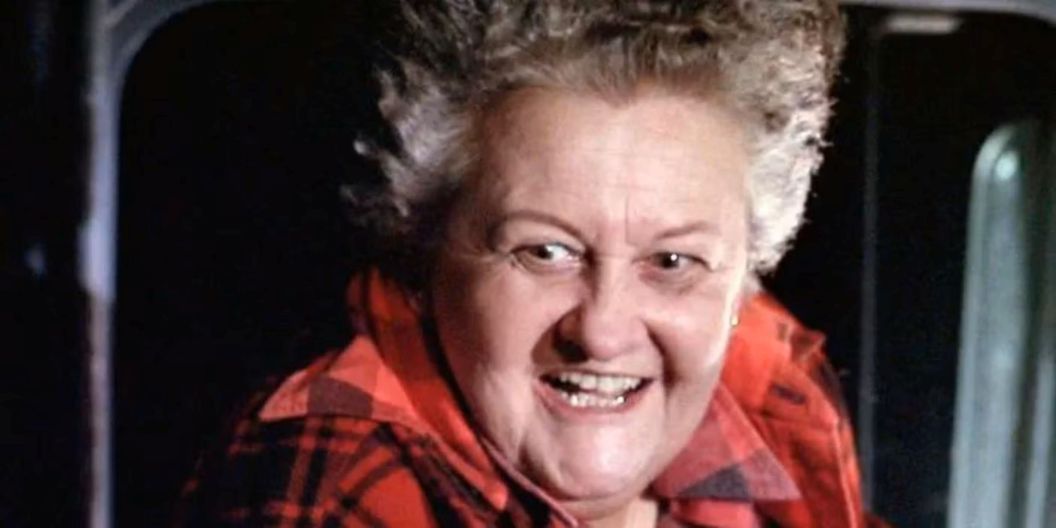
Tim Burton’s first feature film, Pee-Wee's Big Adventure, known for its whimsical comedy, surprisingly includes a genuinely terrifying scene that remains etched in popular culture 41 years after its release. This development was reported by ComicBook.com on September 5, 2026, as the film continues to be discussed for its unique blend of genres.
In Pee-Wee's Big Adventure, the central character seeks to retrieve his stolen bike, leading him into various misadventures, including a chilling encounter with the character Large Marge. This scene stands out as a stark contrast to the film's otherwise lighthearted tone. Following a series of quirky escapades, Pee-Wee flags down a truck driven by a dour woman who recounts a grisly trucking accident. As she reaches a climactic moment in her story, her face briefly transforms into a terrifying claymation depiction of a corpse, with exaggerated features and bulging eyes. This visual shock serves as a jarring moment in an otherwise comedic narrative, demonstrating Burton's signature style before it became more widely recognized in later projects such as The Nightmare Before Christmas and The Corpse Bride.
While the terror from Large Marge only lasts around two minutes, its impact has proved significant. This unexpected shift in tone is what makes it memorable for audiences, as stated by ComicBook.com. The use of claymation in this frightful moment aligns with the creative techniques Burton would evolve further throughout his career, echoing themes of mortality and the macabre that characterize his work.
Over the years, Tim Burton has built a reputation for his unique aesthetic emphasizing spindly figures and fantastical themes. Pee-Wee's Big Adventure, released after Burton's departure from Disney following his work on Frankenweenie, was pivotal in establishing him as a formidable director, allowing him to blend joy with horror seamlessly. His ability to invoke fright through creative means—in this case, a claymation twist—has paved the way for subsequent characters that exhibit the same eerie charm, such as Beetlejuice and those in The Corpse Bride.
The significance of Pee-Wee’s movie goes beyond just this single scene; it laid the groundwork for a hybrid style that integrates various media, including live action and animation, which Burton would continue to explore. The film also serves as a precursor to Pee-Wee's Playhouse, where offbeat characters and claymation became defining features of the series. Such creative elements exemplify how Burton's influence permeated children’s entertainment, making it uniquely memorable.
The continued exploration of Pee-Wee's Big Adventure highlights not only the evolution of Tim Burton as a director but also the film's lasting impact on audiences who appreciate the intersection of humor and horror. In a landscape where genres often remain distinct, Burton's work in this film reveals the potential for broader storytelling techniques, influencing filmmakers and writers alike.
For fans of Burton's work, revisiting Pee-Wee's Big Adventure offers an opportunity to witness the beginnings of a unique directorial voice that would become iconic, emphasizing how the unexpected can shape a film's legacy.
Entertainment news
EpisodeBreakdown may use automated tools to assist research, drafting, and formatting. Published pages are governed by our editorial and corrections policies, and source links are shown when they are available in the article record.
Discovery source: ComicBook.com. The source identifies where the topic was discovered; EpisodeBreakdown is responsible for the commentary published on this page.
Reader response
Reactions and poll results are based on real reader responses. No account is required.