‘Paper Tiger’ and ‘Musk’ Documentary Featured at 2026 SFIFF
The 2026 Santa Fe International Film Festival showcases key titles including 'Paper Tiger' and 'Musk', marking an exciting lineup for this year.
Harvey Levin reportedly edited out significant comments from Kanye West's 2018 interview, sparking discussions about media ethics and celebrity access.
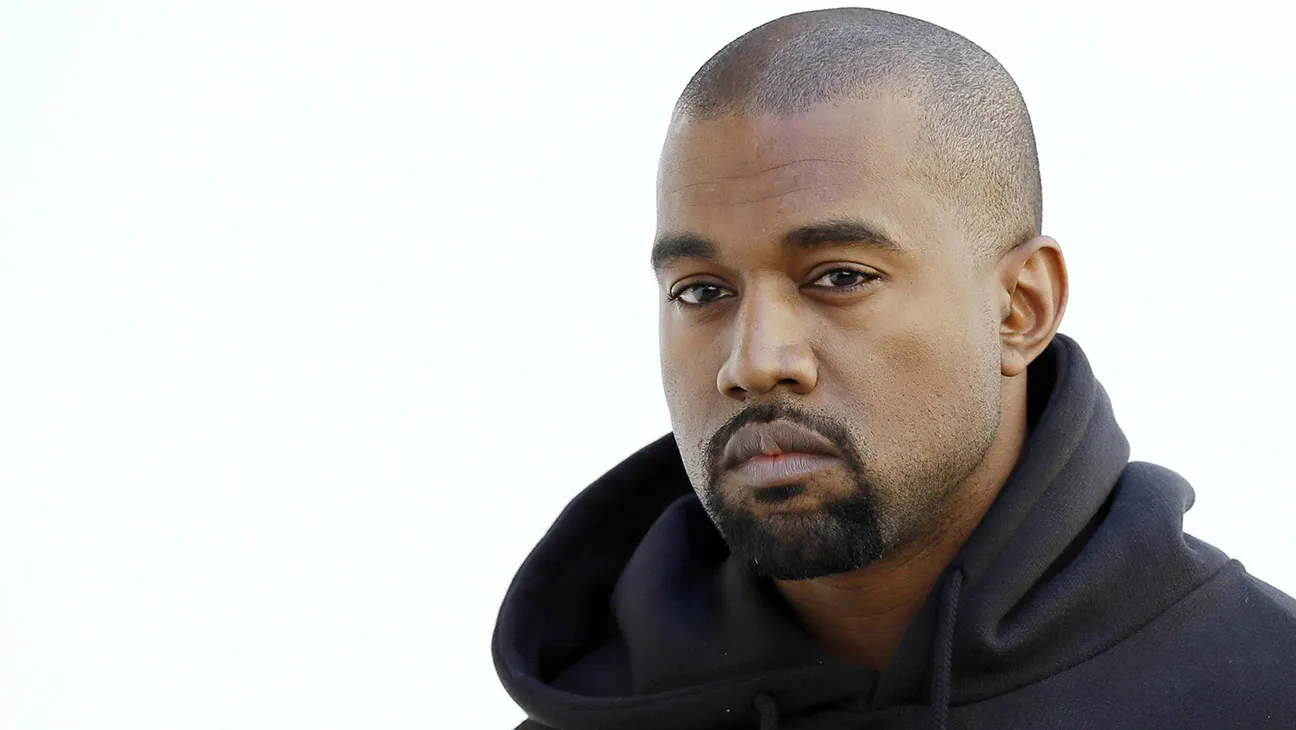
According to a recent investigation published by GQ, Harvey Levin, the founder of TMZ, made a controversial decision to remove remarks made by Kanye West praising Adolf Hitler during a 2018 interview. This revelation was brought to light by Evan Rosenblum, a former TMZ staffer, who claims Levin's edits were intended to maintain the gossip site’s access to celebrities.
The GQ piece sheds light on how Levin has allegedly manipulated coverage involving various celebrities to protect TMZ’s relationships. Rosenblum detailed that during the infamous interview, West expressed admiration for Hitler—remarks that were conspicuously omitted. This account corroborates previous assertions from former TMZ employee Van Lathan Jr. regarding Levin's editorial influence. Rosenblum stated, “This was years before his other antisemitic controversies,” suggesting that even then, the gravity of West's comments warranted significant editing to avoid backlash.
The 2018 interview at TMZ’s office was already notorious, primarily for West declaring that slavery "was a choice." The situation escalated during the discussion, as West paced the newsroom, expressing his controversial views on various topics, including opioid use and liposuction. However, it was the comments about Hitler that have caused renewed scrutiny in light of West's subsequent actions, including a series of troubling public statements and a song titled "Heil Hitler" released in 2025.
The GQ investigation suggests that Levin's editing decisions are not isolated incidents but part of a broader pattern of editorial control aimed at sustaining lucrative celebrity relationships. The report notes another example involving Justin Bieber, where Levin allegedly paid $80,000 to suppress a video showing Bieber using racial slurs, a move described by Levin as "the ethical thing to do"; the footage ultimately emerged through other media outlets.
As outlined by GQ, this raises ethical questions surrounding the responsibility of media outlets in responsibly representing figures known for controversial opinions. The chosen editorial path could impact public perception of how TMZ engages with celebrity narratives, particularly regarding sensitive topics.
As of now, TMZ has not issued a comment to The Hollywood Reporter regarding the allegations reported in GQ. This lack of immediate response potentially reflects reluctance to engage with the critical examination of Levin's editorial choices.
What these revelations imply about TMZ's broader practices remains to be seen, but they shine a light on the delicate balance between editorial integrity and commercial interests.
The acknowledgment of Levin's editorial actions showcases the challenges faced by media platforms in handling controversial statements made by celebrities. As discussions around ethical responsibilities in journalism gain momentum, this incident could lead to increased scrutiny of how media outlets select the content they publish, especially regarding sensitive issues.
For more insights on celebrity media ethics, check out our articles on Dolly Parton's Cancer Battle and Arnold Schwarzenegger's New Book.
Entertainment news
EpisodeBreakdown may use automated tools to assist research, drafting, and formatting. Published pages are governed by our editorial and corrections policies, and source links are shown when they are available in the article record.
Discovery source: The Hollywood Reporter. The source identifies where the topic was discovered; EpisodeBreakdown is responsible for the commentary published on this page.
Reader response
Reactions and poll results are based on real reader responses. No account is required.