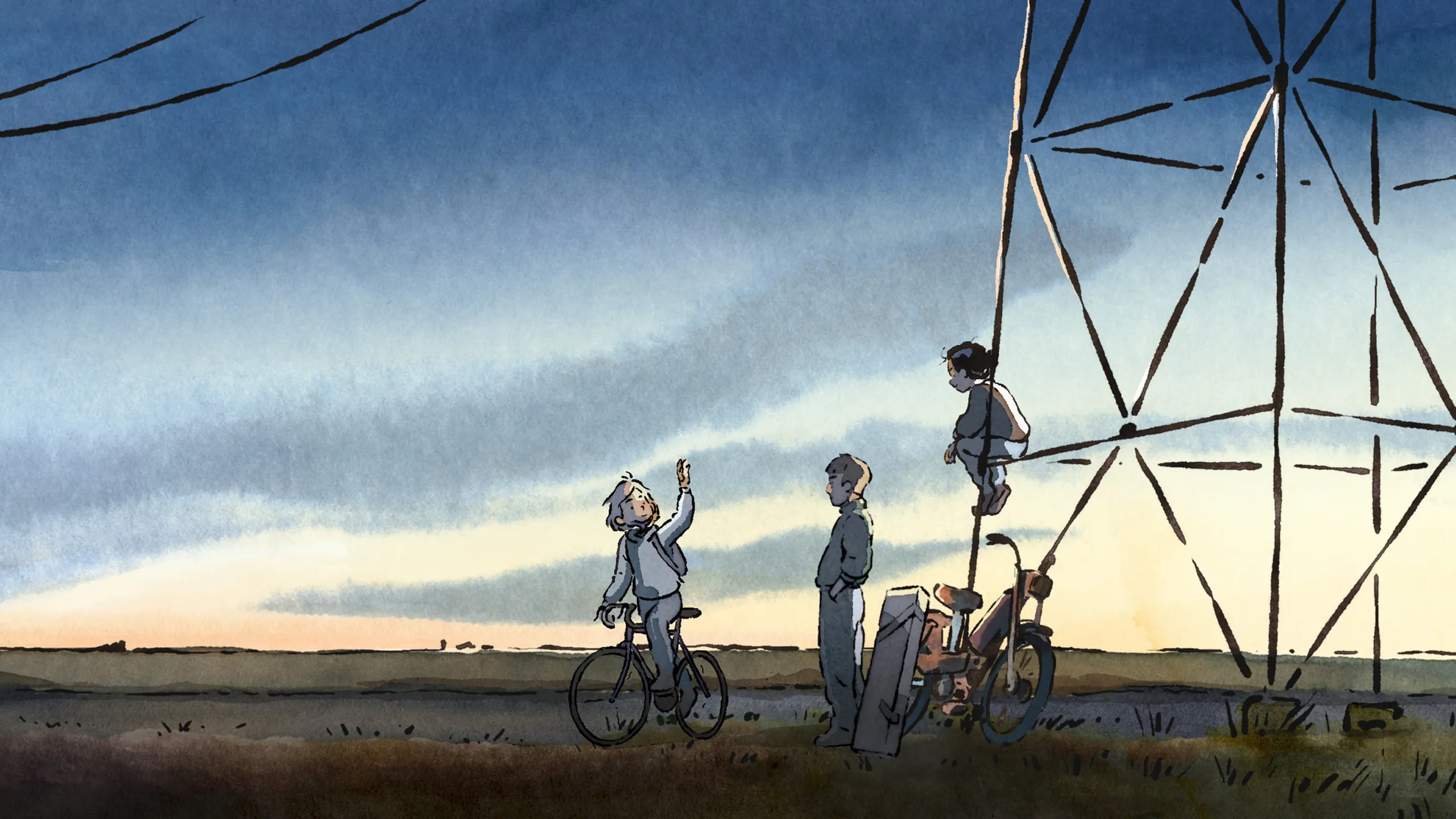
‘Paper Tiger’ and ‘Musk’ Documentary Featured at 2026 SFIFF
The 2026 Santa Fe International Film Festival showcases key titles including 'Paper Tiger' and 'Musk', marking an exciting lineup for this year.
The Trump administration's Justice Department has supported OpenAI in its legal battle against The New York Times regarding copyright claims.
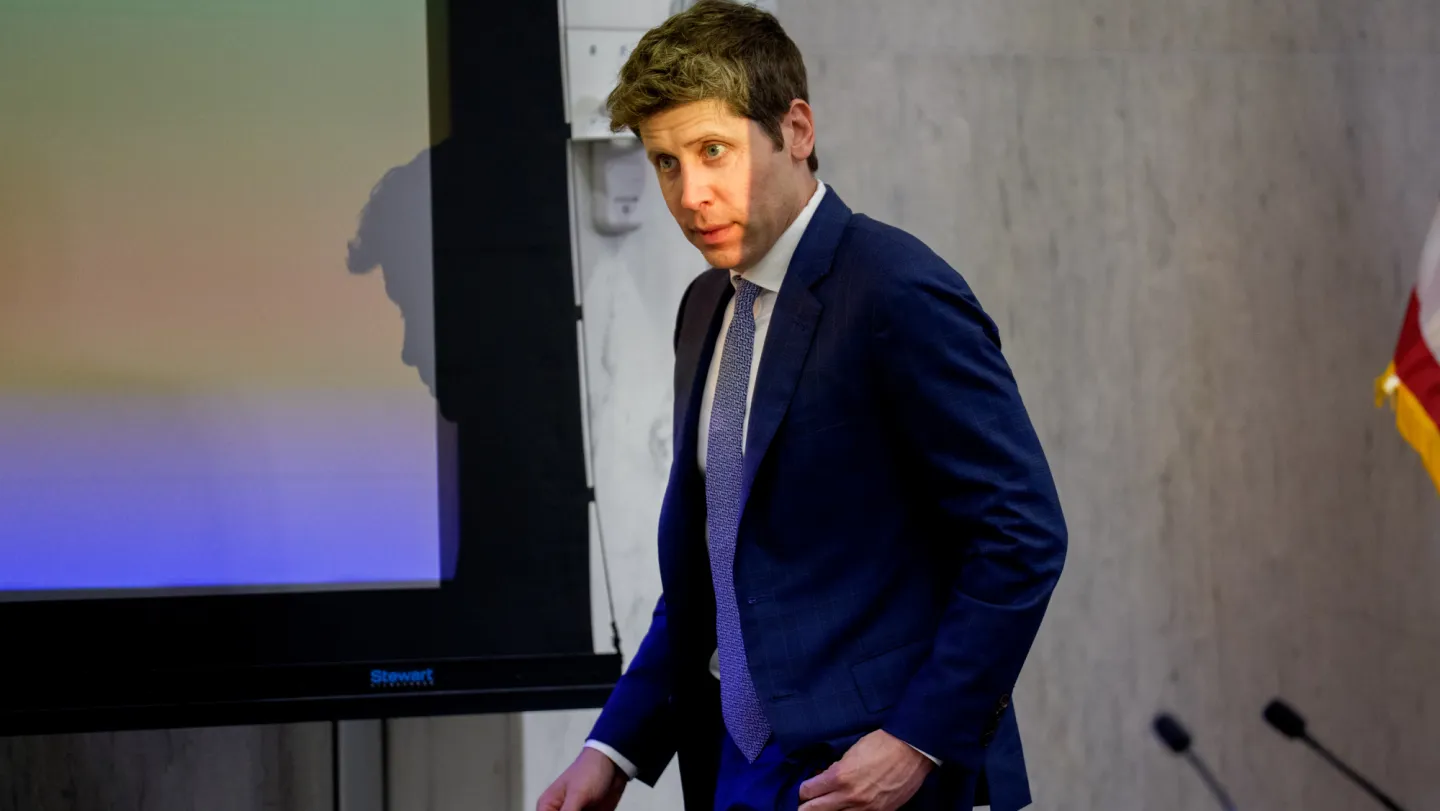
In a significant legal development, the Trump administration's Department of Justice (DoJ) has announced its support for OpenAI in the ongoing copyright lawsuit initiated by The New York Times. This announcement was made public on September 2, 2026, and could have lasting implications for the relationship between artificial intelligence (AI) companies and news publishers.
According to The Hollywood Reporter, the Justice Department's brief submitted in New York federal court argues that using copyrighted material to train AI models, like those developed by OpenAI, should be classified under the doctrine of fair use. This legal stance asserts that restrictions on AI training could negatively impact national security and hinder competition among AI firms and news publishers. The brief points out that AI systems have vital national security applications, including intelligence analyses and military strategies.
The conflict arises as The New York Times accuses OpenAI of mass copyright infringement for utilizing the publication's content to train its AI systems without securing licenses. This marks a critical moment in the tech landscape where legal precedents regarding intellectual property and fair use can be set. A spokesperson for The Times criticized the Justice Department’s brief, stressing that it favors large AI companies at the expense of independent creators and publishers whose contents might be appropriated without proper compensation.
The implications of this case resonate far beyond the immediate parties involved. The government's argument claims that imposing limitations on AI training will primarily benefit larger tech firms, enabling them to maintain a competitive advantage while marginalizing smaller publishers and content creators. It argues that a robust AI industry is essential for maintaining competitive dynamics within the U.S., claiming that foreign adversaries could exploit U.S. restrictions to gain technological advantages.
A spokesperson for The New York Times emphasized that successful AI applications must continue to fairly compensate creators whose work underpins these technologies. They caution that the administration's support for OpenAI might jeopardize the livelihood of content creators reliant on copyright protections.
This lawsuit is part of a growing number of legal challenges facing AI companies. The court’s ruling on whether the usage constitutes fair use could set crucial precedents for the future of AI content generation. A federal judge had previously denied OpenAI’s attempt to dismiss the initial copyright claims while narrowing the case's scope. The New York Times is among a wave of media organizations suing AI developers over similar concerns.
The Justice Department's backing of OpenAI in this high-stakes lawsuit could fundamentally reshape the landscape for copyright law as it pertains to AI technologies. The outcome will likely be pivotal not just for OpenAI and The New York Times, but for the entire media and technology sector. As the debate between innovation and intellectual property rights continues, both AI developers and traditional media organizations will be closely monitoring the developments in this case.
For ongoing updates, follow our coverage on related legal battles: Trump’s DOJ Faces NYT Criticism for Supporting OpenAI in Copyright Suit and Danny Boyle’s ‘Ink’ Opens Venice Film Festival with Critical Acclaim.
Entertainment news
EpisodeBreakdown may use automated tools to assist research, drafting, and formatting. Published pages are governed by our editorial and corrections policies, and source links are shown when they are available in the article record.
Discovery source: The Hollywood Reporter. The source identifies where the topic was discovered; EpisodeBreakdown is responsible for the commentary published on this page.
Reader response
Reactions and poll results are based on real reader responses. No account is required.