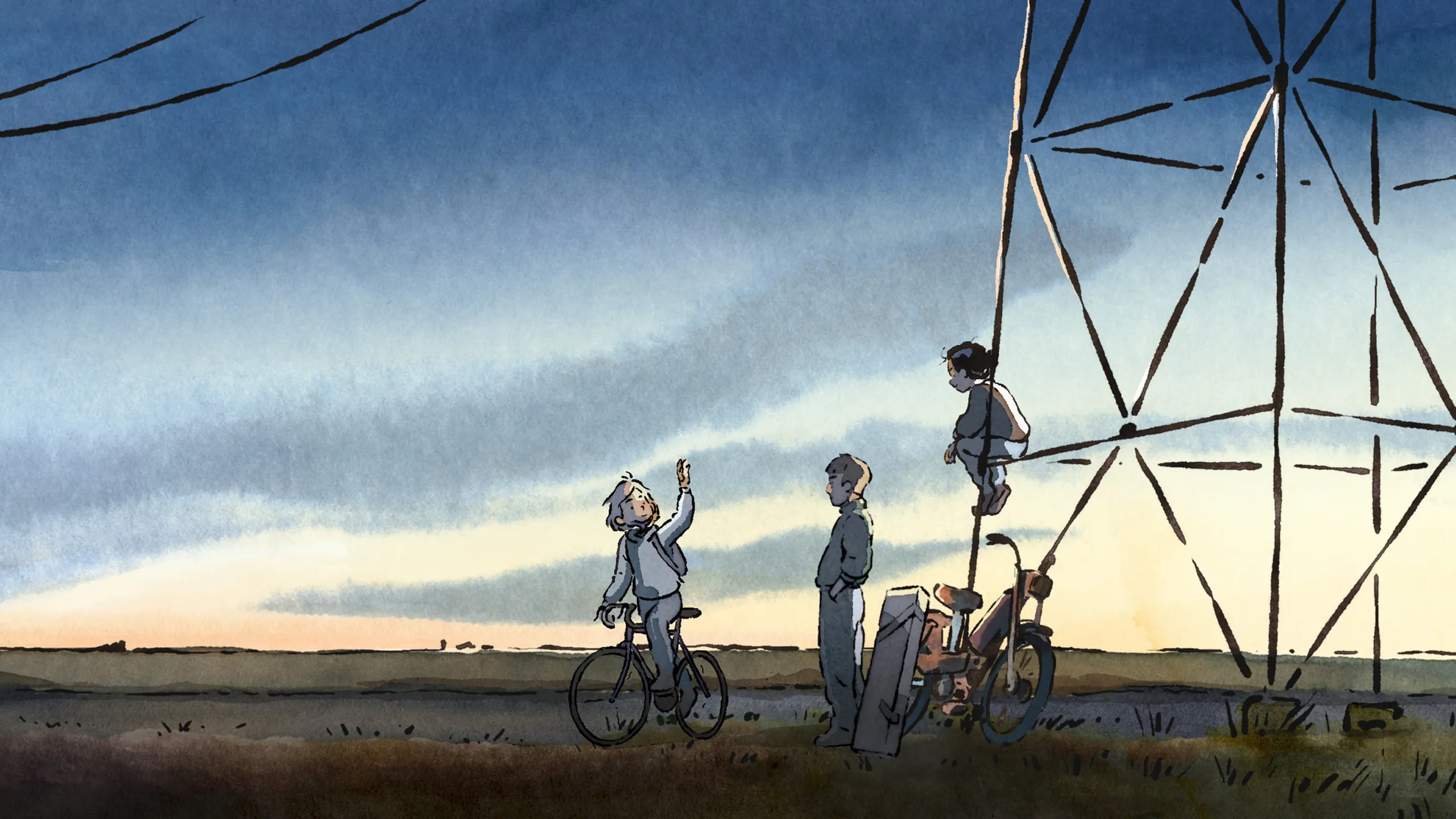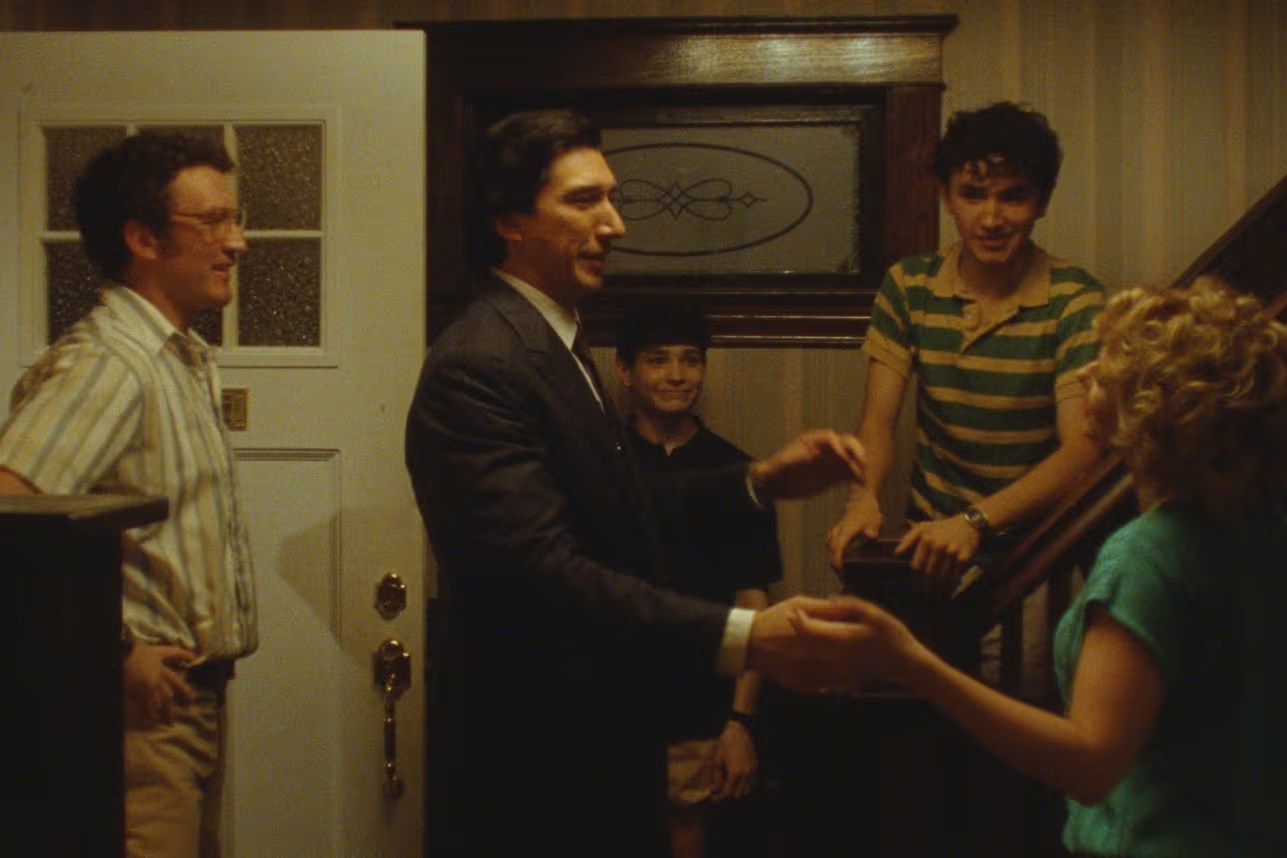
‘Paper Tiger’ and ‘Musk’ Documentary Featured at 2026 SFIFF
The 2026 Santa Fe International Film Festival showcases key titles including 'Paper Tiger' and 'Musk', marking an exciting lineup for this year.
A new UCLA study finds Gen Z and Gen Alpha seek nuanced portrayals of spirituality in Hollywood, as reported by Variety.
A new UCLA study from The Center for Scholars & Storytellers (CSS) reveals that both Generation Z and Generation Alpha are actively seeking more authentic and complex representations of spirituality in Hollywood. This significant demand underscores a crucial moment for filmmakers and storytellers in the entertainment industry. Released on September 2, 2026, the study entitled the Future of Faith surveyed over 2,000 individuals aged 14 to 24, indicating a keen interest in nuanced portrayals of faith on screen.
Most young respondents expressed a heightened sensitivity to how their beliefs are portrayed, with many articulating a desire for deeper and more honest discussions about spirituality rather than stereotypical or simplified narratives. Yalda T. Uhls, Ph.D., founder and CEO of CSS, noted in an interview with Variety, that today’s youth are in a unique transitional phase; navigating personal faith amidst a backdrop of diverse beliefs often leads them to seek authentic representations of spirituality. This intersection of belief and personal identity shows a pressing need for Hollywood to take note.
In recent years, Hollywood has made attempts to explore various aspects of faith through films and series. Projects like "Unorthodox" have generated conversations about religion, even when not depicting the subject in a reverent manner. This aligns with the demand for more intricate storytelling, as evidenced by the attendance of executives from major studios testing new narratives around spirituality. Companies like Lionsgate have reportedly shown interest in developing projects that cater to audiences eager for faith-based narratives, given the lucrative potential these stories hold.
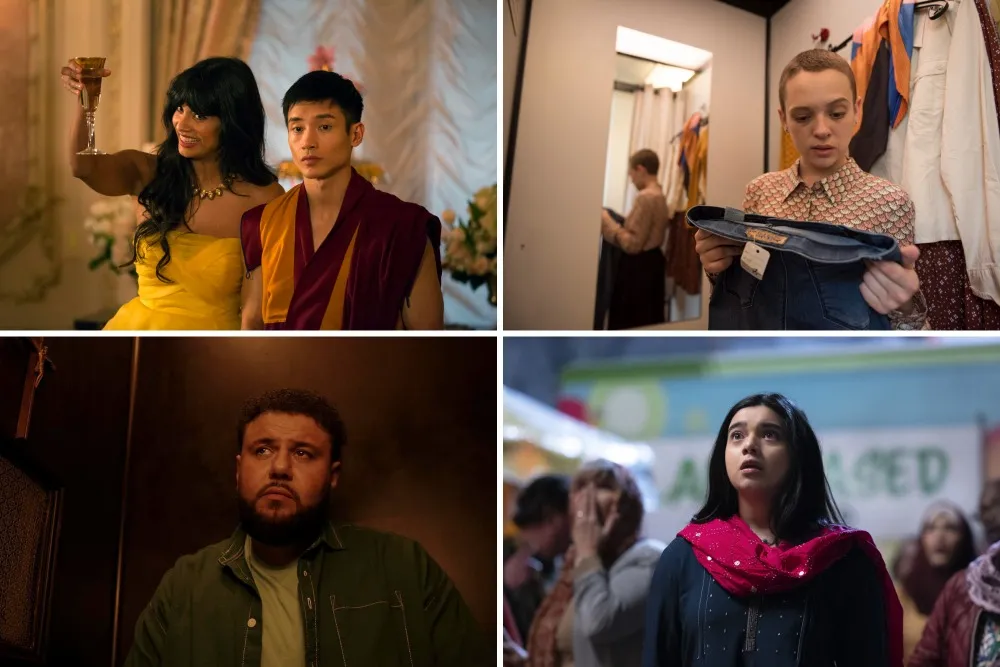
Uhls posits that integrating spirituality into mainstream media represents a vital opportunity for Hollywood to connect with younger viewers. Examples of titles that resonate positively with this demographic include "Mo," "The Good Place," and others, illustrating successful explorations of spiritual themes through relatable storytelling. Young audiences desire stories that avoid glossed-over representations and instead present genuine characters grappling with their faith journeys. This audience expectation could redefine storytelling, urging creatives to embrace authenticity and emotional depth.
The Future of Faith study's findings paint a significant picture for Hollywood's future. By attending to the preferences of younger viewers for layered and respectful portrayals of spirituality, the industry stands to attract a dedicated and engaged audience. As studios begin to incorporate these insights into their projects, they not only strengthen their connection with viewers but also enrich the overall narrative fabric of modern entertainment. Moreover, industry insiders have suggested that spirituality can be woven effectively into not just dedicated faith projects, but across various genres and narratives.
Uhls and her team identified several successful shows and films that embody the direction young audiences want to see: titles like "Wake Up Dead Man: A Knives Out Mystery," "Over the Moon," and series such as "Ms. Marvel" and "Avatar: The Last Airbender" stand out as examples of how spirituality can resonate without reverence. This trend indicates that when done thoughtfully, spiritual themes can inform character development and plot progression, allowing viewers to navigate complex moral discussions and personal identity questions.
The Future of Faith study highlights a compelling opportunity for Hollywood to reshape its narratives in ways that resonate deeply with younger audiences. By embracing their desires for more nuanced and genuine portrayals of spirituality, studios can cultivate a richer narrative landscape that engages viewers on a more profound level. As the industry listens to this call for authenticity, it lays the groundwork for works that reflect the complexities of real life and the diverse experiences of faith.
Entertainment news
EpisodeBreakdown may use automated tools to assist research, drafting, and formatting. Published pages are governed by our editorial and corrections policies, and source links are shown when they are available in the article record.
Discovery source: Variety. The source identifies where the topic was discovered; EpisodeBreakdown is responsible for the commentary published on this page.
Reader response
Reactions and poll results are based on real reader responses. No account is required.