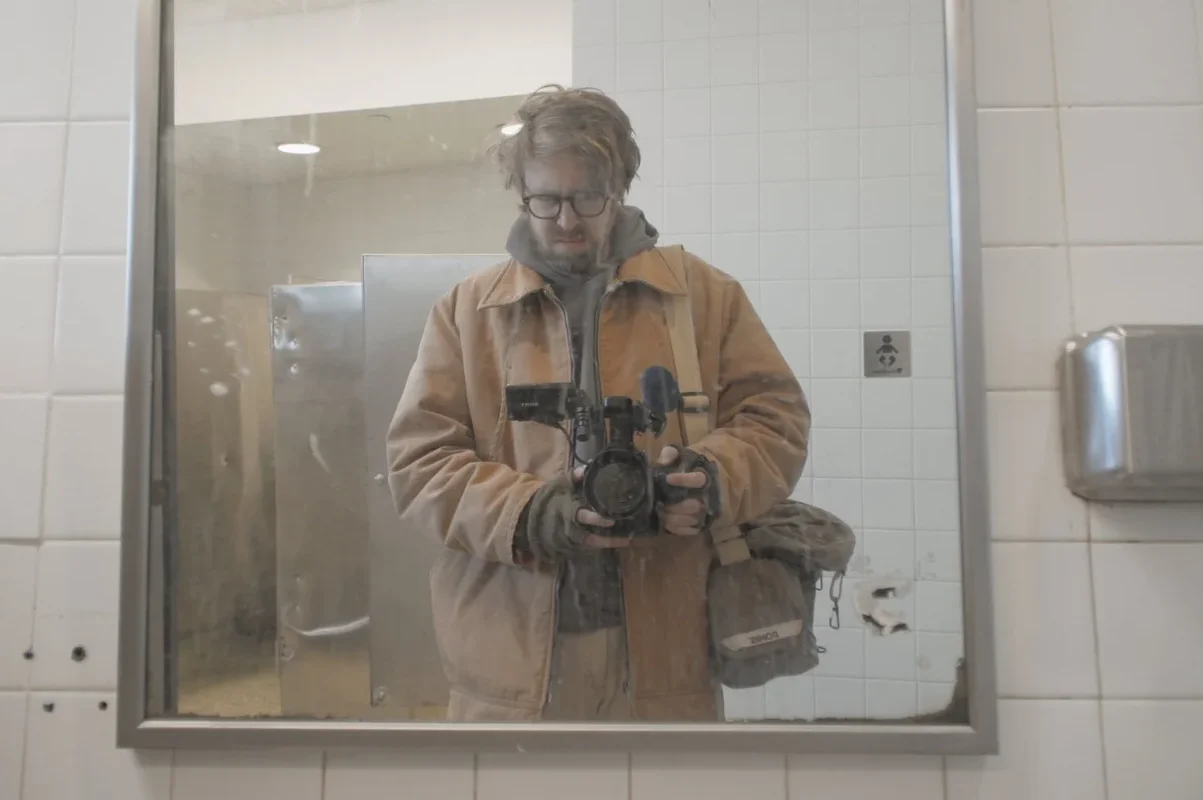
Cate Blanchett Urges Audience To Stop Recording Her Play
Cate Blanchett asked audience members at the London play ‘Electra/Persona’ to refrain from recording performances, emphasizing the need for presence.
UMG and Sony Music have filed a second lawsuit against AI music generator Suno, alleging copyright infringement over its new model, v6.

Universal Music Group (UMG) and Sony Music have initiated a second lawsuit against the AI music generation platform Suno, as announced on September 18, 2026. This legal action targets Suno's new model, v6, which UMG and Sony claim has infringed upon their music recordings. This lawsuit follows closely after Suno's launch of v6, which is touted as their first AI model trained exclusively on licensed music thanks to partnerships with Warner Music Group, BMG, and Believe.
In a suit filed in federal court, UMG and Sony allege that Suno's v6 model relies on interactions from users with its previous models, which were already the subject of a prior lawsuit by these companies. The record labels accuse Suno of training the new model using copyrighted materials without authorization or payment. They argue that Suno's assertion that v6 was developed using user interactions contradicts its claims about being trained on licensed music.
Specifically, UMG and Sony state that Suno admitted in discussions—citing a Billboard interview with Suno CEO Mikey Shulman—that v6 was built upon outputs and preference data derived from earlier models that had inappropriately copied the plaintiffs’ recordings. The companies further assert that Suno utilized techniques such as knowledge distillation to replicate the behavior of its earlier models, which were allegedly constructed using unlicensed recordings, including UMG and Sony's copyrighted works.
This latest lawsuit comes two years after UMG and Sony first sued Suno in 2024. At that time, Warner Music Group joined the lawsuit but has since settled and formed a partnership with Suno. UMG and Sony’s concerns extend beyond copyright infringement; they express that AI-generated music saturates the streaming market, damaging the visibility and value of original recordings.
Suno's development of v6 was positioned as a significant step toward closer alignment with the music industry, with the aforementioned partnerships seen as a potential new standard for cooperation between AI platforms and music rights holders. Suno has framed its innovations as beneficial for both artists and listeners, aiming to create new product experiences that enhance the music community.
The ongoing legal battle highlights the evolving tensions between traditional music companies and AI music generators. UMG and Sony's stance illustrates a cautious perspective from the music industry towards AI-generated content, particularly regarding ownership and copyright issues. As the industry grapples with these complexities, the outcome of this lawsuit could set a precedent for how AI music platforms navigate licensing and copyright in the future.
The developments from UMG and Sony's lawsuit against Suno emphasize the critical need for clarity around copyright in the rapidly changing landscape of AI and music. While Suno is attempting to create partnerships and licensed models, this legal challenge could impact how effectively the music industry embraces AI technology. Future collaborations may hinge on resolving these disputes to encourage a more harmonious relationship between AI innovations and traditional music rights.
Entertainment news
EpisodeBreakdown may use automated tools to assist research, drafting, and formatting. Published pages are governed by our editorial and corrections policies, and source links are shown when they are available in the article record.
Discovery source: The Hollywood Reporter. The source identifies where the topic was discovered; EpisodeBreakdown is responsible for the commentary published on this page.
Reader response
Reactions and poll results are based on real reader responses. No account is required.