Exploring the Most Suspenseful Thriller Movies of All Time
Dive into our in-depth analysis of the eight most suspenseful thrillers, exploring key themes, character choices, and unforgettable moments.
Explore The Hand's role in Spider-Man: Brand New Day and its implications within the MCU.
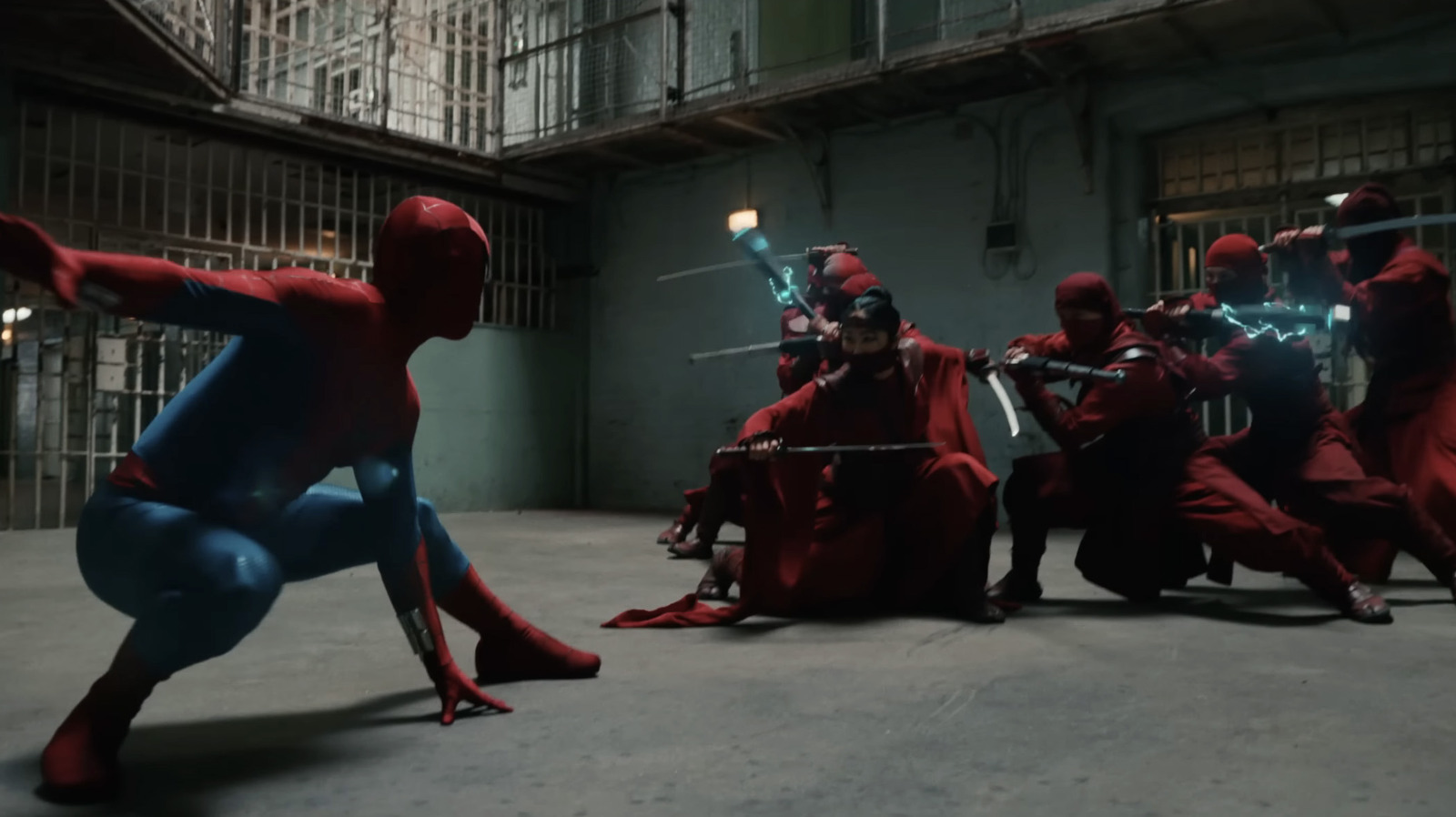
In simple terms, Spider-Man: Brand New Day raises a central question: What role does The Hand play in Peter Parker's latest adventure? The answer is multifaceted, reflecting on character complexities and deeper themes within the film. While The Hand, a notorious ninja group, appears prominently, their portrayal raises eyebrows, as they ultimately serve a purpose that deviates from their comic roots. This nuanced use of The Hand highlights both the challenges of adaptation and the film's broader implications within the MCU.
The film opens with an energetic montage showcasing Peter Parker battling various foes. Among these is the climactic reintroduction of The Hand, an organization known to fans of Marvel's darker narratives thanks to their previous involvement in the Netflix series featuring Daredevil. Their entry suggests a formidable challenge for our beloved web-slinger. The opening doesn't just place them in a threatening light; it prepares the audience for what could be a thrilling confrontation with Peter.
However, as the narrative unfolds, The Hand transitions from a shadowy group of assassins to an unlikely security team for the Department of Damage Control. This shift is confirmed within the film's early exposition, where The Hand's operational motive becomes evident. As vigilantes turned corporate lackeys, their arc encapsulates a significant theme: adaptation under pressure and the nuanced nature of identity.
The Hand's presence serves multiple narrative functions. First, it connects the cinematic universe, offering a bridge to darker storylines from the Netflix realm. Moreover, their employment as security for government bureaucracy reinforces a theme of alliances with morally ambiguous organizations, showcasing how even the most notorious elements of society are co-opted by the establishment. In this regard, the film cleverly weaves The Hand's comic book legacy into a fresh context.
However, it's essential to delineate between confirmed events and interpretations. The Hand's role shifts thematically — they grapple with their past as ruthless assassins and their new reality as corporate security personnel. This transformation brings forth questions about agency, corruption, and what it means to compromise one's identity in a quest for survival. Yet, the audience is left to wonder if this is the best use of such a compelling group, potentially underselling their narrative weight.
As Peter faces off against various threats, the incorporation of The Hand becomes a pivotal point in his journey. While they do eventually confront him in a more traditional sense, the setup is relatively uninspired, especially when considering the high-octane synergy found in Marvel’s prior cinematic works. The most striking aspect of their climactic moment is that it ultimately derives not from their own volition, but from being mentally controlled by Jean Grey, played by Sadie Sink. This manipulation strips them of agency and creates dependence on another character's power.
The Hand, renowned for their martial prowess, are best recognized for their fierce independence and tactical genius. Yet, in Brand New Day, the initiative is sidelined, demoting them to pawns rather than formidable foes. This serves as a striking comment on the state of modern storytelling in large cinematic universes, where iconic groups can sometimes be reduced to mere plot devices.
The Hand’s relegation to a background role highlights a significant theme in Spider-Man: Brand New Day—identity. Throughout the film, Peter Parker grapples with his own identity as Spider-Man while navigating the complexities of heroic responsibility. This theme resonates deeply with The Hand, as they also struggle with their transformation from vigilantes to government agents. The film simultaneously critiques corporate corruption while acknowledging the harsh realities faced by those within the system.
This theme of adaptation, whether through external pressures or internal conflicts, enrichens the narrative but doesn't fully realize the potential awe of The Hand’s character depth. It evokes a sense of loss for what could have been, leaving viewers questioning whether a more robust exploration of their villainy could have enhanced not only their arc but also Peter's confrontation with his own identity.
As Brand New Day culminates, the interactions between Spider-Man and The Hand serve to encapsulate the film's themes. Many anticipated an epic showdown, yet Peter ultimately faces opponents that have been stripped of their autonomy. This underwhelming resolution evokes mixed feelings among viewers who might have hoped for a more defined confrontation. The narrative cycle reaffirms the film’s exploration of agency and reliance on more powerful allies. Though it signals milestones in Peter's journey, it stunts The Hand’s legacy, reducing their identity.
The climax could be seen as a broader allegory for the evolving nature of heroism in storytelling, where autonomy and control blend, leading to the question: how much should these characters change to survive in an ever-competitive cinematic environment?
The integration of The Hand in Spider-Man: Brand New Day might offer insights into the future portrayals of complex characters in the Marvel Cinematic Universe. While it serves to bridge gaps with past narratives, the film subtly critiques the trend of reducing iconic elements into simple archetypes. As the MCU continues to evolve, audiences are likely to keep questioning the depths of characterizations and whether they can stand alone without losing their distinctiveness.
Ultimately, while The Hand may not have lived up to their full potential, their inclusion in the narrative calls for a discussion of character integrity versus storytelling needs. This ongoing dialogue is essential as Marvel navigates the complexities of expanding its cinematic universe while crafting engaging narratives that honor its characters’ origins.
The critical reception of Spider-Man: Brand New Day will no doubt influence how The Hand and similar groups are portrayed in future installments of the franchise. Fans might hope for a return to their darker, more nuanced roots while still appreciating the need for adaptation to fit into a wildly expansive universe. The question remains whether future narratives can truly balance these elements, ultimately serving the legacy of characters while providing fresh and meaningful stories.
For a deeper understanding of Jean Grey's role, check out Sadie Sink's Role as Jean Grey in Spider-Man: Brand New Day Explained. If you're curious about how the Hulk fits into these events, view Hulk's Role in Spider-Man: Brand New Day – What It Means to analyze his impact. Lastly, for comparisons on character development across stories, read Tom Holland's Spider-Man Movies: A Decade of Growth and Legacy.
Movie explanation
EpisodeBreakdown may use automated tools to assist research, drafting, and formatting. Published pages are governed by our editorial and corrections policies, and source links are shown when they are available in the article record.
Discovery source: Slashfilm. The source identifies where the topic was discovered; EpisodeBreakdown is responsible for the commentary published on this page.
Reader response
Reactions and poll results are based on real reader responses. No account is required.