test
asdasd
Exploring the legacy and appeal of VR.5, a forgotten sci-fi series that aired just 13 episodes yet encapsulated the era's innovation.
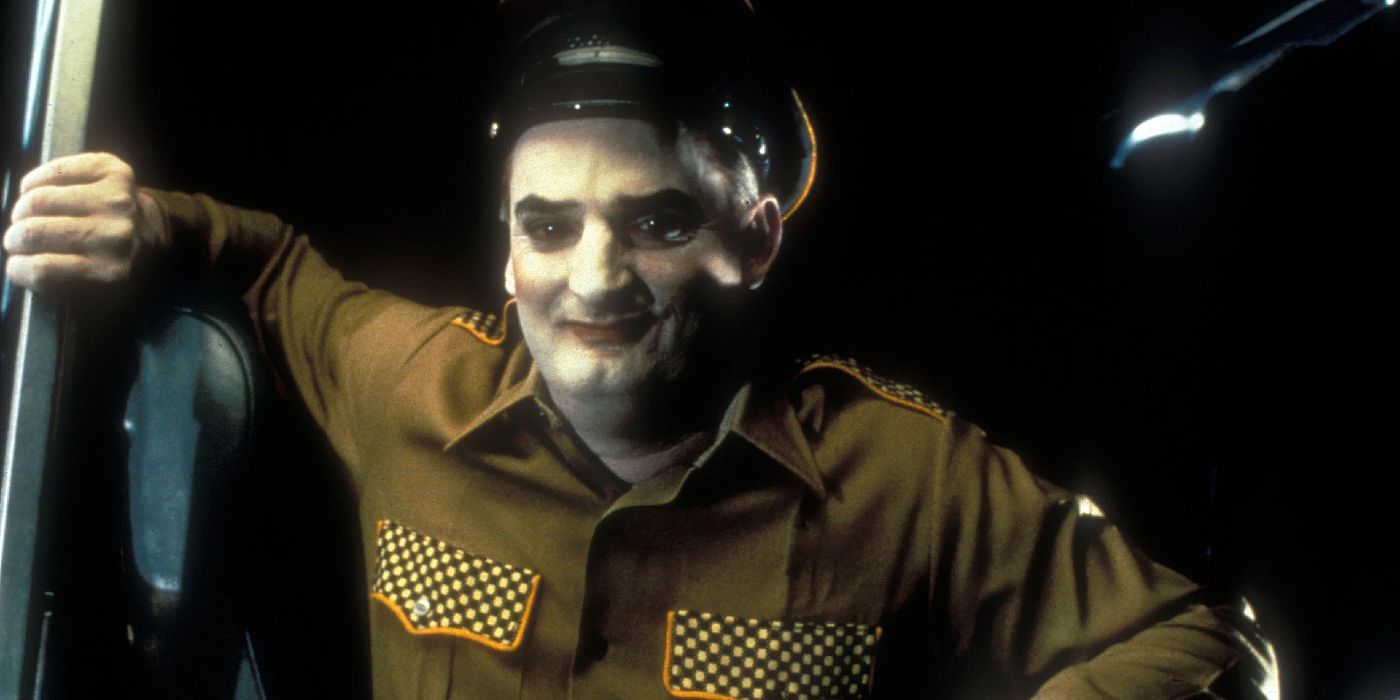
In simple terms, VR.5 stands as an intriguing sci-fi series that, despite airing only 13 episodes, has earned a cult following due to its pioneering approach to virtual reality. The show, which premiered on Fox in 1995, offers fascinating insights that resonate in today’s tech landscape and showcases a narrative style that was ahead of its time.
Here is what is confirmed: VR.5's storyline revolves around Sydney Bloom, portrayed by Lori Singer, who provides a blend of drama and tech-driven mystery. Equipped with advanced virtual reality technology, Sydney explores her past, confronting traumatic events while also uncovering deeper conspiracies. Despite its limited run, the themes explored in VR.5 feel particularly relevant as we navigate increasingly digital lives in the modern age.
VR.5's plot kicks off with Sydney’s backstory, which is steeped in drama. Following a tragic car accident that takes the lives of her father and sister, Sydney grows up to become a skilled telephone line worker and self-taught hacker. Her innovative ability to access others' subconscious through the VR.5 technology sets the stage for gripping narratives that delve into human memory and psyche. The show's unique setup expressed concepts about virtual landscapes that resonate with current technological advancements, making it a compelling viewing choice even decades later.
However, the show was a product of its time, grappling with the shift in TV storytelling trends. Because VR.5 featured a serialized narrative focused on a rich backstory, it contrasted sharply against concurrent episodic shows like The X-Files, which catered to a more casual viewing experience. This format worked against VR.5, particularly in the 'Friday night death slot,' which was known for tough competition and viewer attrition.
Airdate placement is crucial in the realm of television. VR.5 aired right before The X-Files, which was scooping a dedicated fan base with its monster-of-the-week episodes that incentivized newcomers to jump in at any moment. This stark difference left VR.5 struggling for an audience, as many viewers found it challenging to follow the overarching plot without starting from the beginning. The juxtaposition ultimately became a liability rather than a strategic advantage, leading to an affectionate but premature cancellation.
The production costs of VR.5 were considerable, which put pressure on Fox to evaluate the series quickly. Given the dynamics of the television industry in the mid-90s—which favored more predictable, lower-budget content—VR.5 found itself in an untenable position. The network executives overvalued its potential, expecting it to deliver immediate ratings alongside an established hit. When it didn’t, it became an early casualty in the ruthless landscape of network television.
Despite vanishing from the airwaves after just ten episodes, VR.5 left an indelible mark on the genre. This series presaged future narratives surrounding virtual reality in TV and film. Perhaps if VR.5 debuted in the streaming era, when viewers can binge-watch and engage with serialized storytelling at their own pace, it could have garnered a more significant following.
The exploration of VR technology as a storytelling device has grown immensely since the show first aired. Today, creations like Strange New Worlds and Battlestar Galactica advocate for intelligent and layered science fiction, just as VR.5 aimed to do. For viewers seeking a nostalgic trip into the past of '90s sci-fi television, VR.5 continues to offer stirring themes and questions that are as applicable now as they were then.
Recognized as a time capsule of its era, the show occasionally resided in the conversations surrounding technology, ethics, and the human condition. The atmosphere crafted by co-creators Thania St. John and Jeannine Renshaw allowed for a deeper engagement with the concepts of consciousness and reality. These explorations are even more prevalent in contemporary discussions surrounding AI and virtual environments.
Related Guides: For fans wanting to continue their exploration of science fiction narratives, check out our breakdown on Battlestar Galactica: The Unmatched Sci-Fi Classic and our analysis of Strange New Worlds’ Horror Episode Connects Major Star Trek Events. Similarly, a comparison might be made to modern storytelling structures in shows like Futurama and X-Men '97, which adapt iconic elements of past series into their narrative arcs.
While VR.5 may have had a brief television life, its insights into virtual reality, memory, and the complexities of its serialized storytelling have rendered it a subject of fascination. Undoubtedly, the show embodies a daring examination of topics that resonate profoundly in today's culture. As discussions around technology grow ever more pertinent, VR.5 invites a contemplative examination of our relationship with the digital realm, leaving viewers to ponder what could have been had it thrived in a different era.
Story breakdown
EpisodeBreakdown may use automated tools to assist research, drafting, and formatting. Published pages are governed by our editorial and corrections policies, and source links are shown when they are available in the article record.
Discovery source: CBR TV. The source identifies where the topic was discovered; EpisodeBreakdown is responsible for the commentary published on this page.
Reader response
Reactions and poll results are based on real reader responses. No account is required.