test
asdasd
Discover the story behind the canceled TV sequel to Michael Crichton's Westworld and its unexpected legacy.
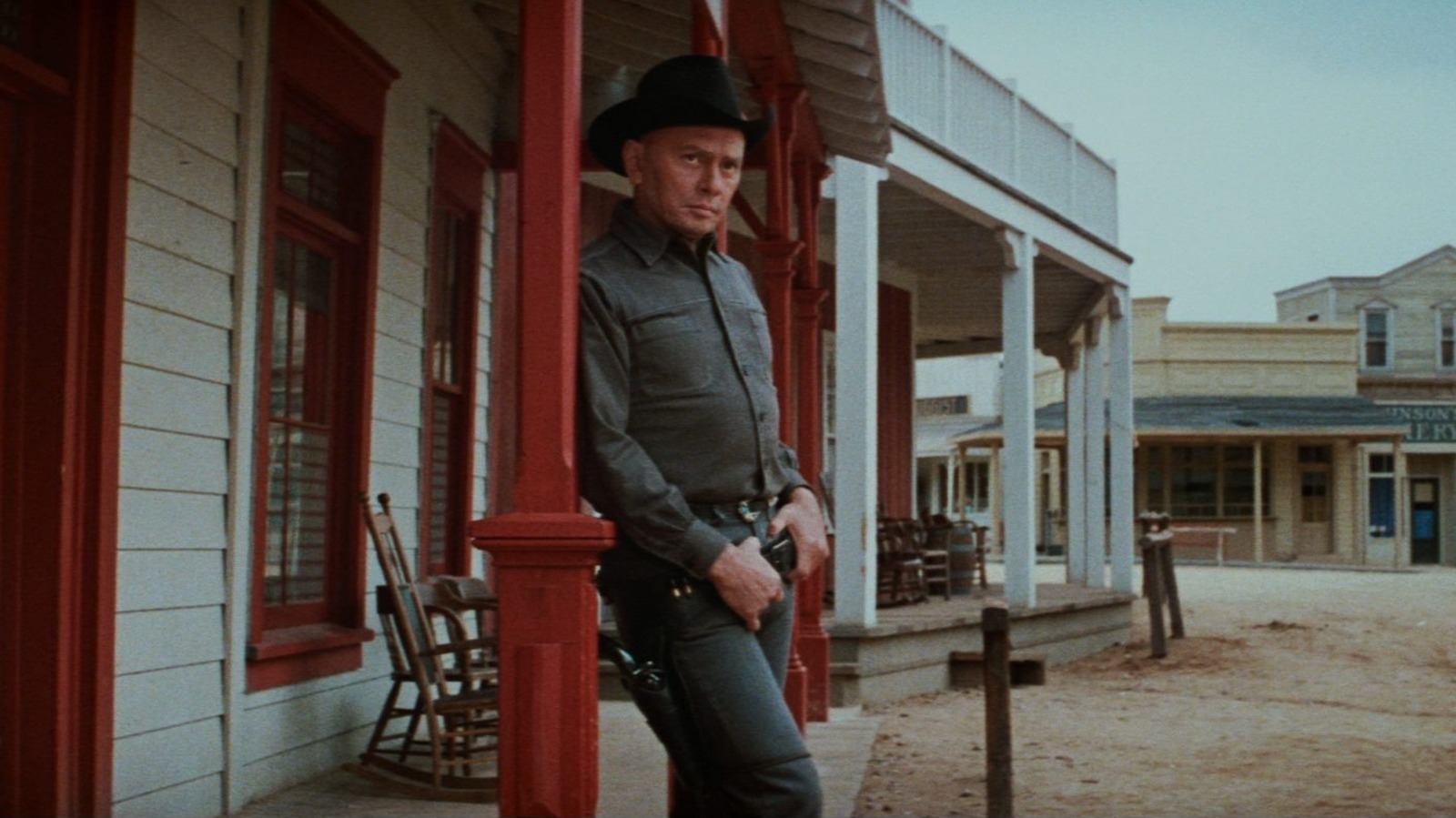
In simple terms, the forgotten TV sequel to Michael Crichton's iconic film Westworld is Beyond Westworld, which aired briefly in 1980. Despite its connection to one of the most influential sci-fi films of the 1970s, this series only lasted five episodes before being canceled. Here is what is confirmed: its story explored concepts of AI and corporate intrigue, but it ultimately failed to capture a sustainable audience.
Michael Crichton's Westworld, released in 1973, was a groundbreaking film that merged themes of technology with the Western genre. It introduced the concept of killer robots and set a precedent in the sci-fi landscape that influenced later works like Jurassic Park and Blade Runner. This initial film examined issues such as ethical dilemmas surrounding technology and the darker sides of human nature when given unchecked leisure. Yet, the follow-up attempts to franchise the narrative did not fare well.
Beyond Westworld was created by Lou Shaw and attempted to expand on the themes of its cinematic predecessor. Unlike the film, the series pivoted its narrative from a negligent corporation to an evil scientist, Simon Quaid (portrayed by James Wainwright), who masterminded the events unfolding around them. This character not only shifted the plot dynamics but also introduced a level of corporate intrigue, albeit less conspiring than in previous adaptations.
The premise revolved around Delos employees, John Moore (Jim McMullan) and Pamela Williams (Connie Sellecca), who sought to subvert Quaid's malevolent plans. This major shift characterized Beyond Westworld as an environment filled with paranoia resembling Cold War themes, where android clones infiltrated society. Each episode featured a new android threat, aiming to appeal to both loyal fans of the movie and newcomers alike.
Despite airing for a short time, Beyond Westworld struggled to find its footing. It was initially met with indifference, leading to its cancellation after just five episodes, two of which went unaired. The show’s depiction of rogue androids did not resonate with viewers, and it ultimately faded into obscurity. This lack of interest can be attributed to the conflicting narrative strategies as it aimed to appeal to different audiences simultaneously.
Interestingly, the competition with other shows and the novelty of newer sci-fi narratives might have contributed to its downfall, as the 1980s began to redefine the genre.
Though Beyond Westworld was short-lived, its ideas around AI and human-like androids have been reflected in several later projects. The series' premise of android sleeper agents has echoes found in shows like Battlestar Galactica and the HBO remake of Westworld itself. While the original series did not set the stage for immediate influences due to its notoriety, it nonetheless possessed foundational concepts that found their way into contemporary narratives.
The darker themes of identity and technology explored in Beyond Westworld may have laid the groundwork for the existential anxieties that characterize modern sci-fi storytelling. For viewers interested in the complex interplay of technology and human life, both the original Westworld film and its TV sequel are essential pieces of the puzzle, illustrating a legacy that continues to unfold.
The reimagined HBO Westworld that debuted in 2016 also borrows concepts from Beyond Westworld, particularly through its narrative structures and themes surrounding robot consciousness. The idea of robots not fully understanding their true natures was a prevailing thread in both series, connecting the 1980 show with its modern counterpart, even though the newer series had more profound storytelling capabilities.
This cyclical nature of influence serves as a reminder that every story contributes to the broader tapestry of sci-fi, even if it is forgotten in the interim.
To explore the evolution of sci-fi storytelling further, consider reading about 10 NBC Shows That Were Canceled Too Soon or Exploring Themes in the Forgotten '80s Slasher Novel Joyride.
In the landscape of sci-fi narratives, Beyond Westworld serves as both a cautionary tale about the risk of misaligned ambitions and as an underappreciated source of ideas for future storytellers. Many of the show’s elements, including the depiction of subversive androids, have resurfaced in other genres, proving that while this particular series may be shrouded in obscurity, its ideas may still resonate and find rebirth in new formats.
Overall, Beyond Westworld may not have garnered the acclaim of its cinematic ancestor, but it contributed in subtle ways to the evolving dialogue about artificial intelligence in storytelling, hinting at enduring themes that remain relevant today. While uncertainties linger around its full impact, the questions it posed about identity and technology are as valid now as they were over forty years ago.
Story breakdown
EpisodeBreakdown may use automated tools to assist research, drafting, and formatting. Published pages are governed by our editorial and corrections policies, and source links are shown when they are available in the article record.
Discovery source: Slashfilm. The source identifies where the topic was discovered; EpisodeBreakdown is responsible for the commentary published on this page.
Reader response
Reactions and poll results are based on real reader responses. No account is required.