test
asdasd
Farrah Fawcett's departure from Charlie's Angels after one season was driven by creative frustrations and merchandising disputes.
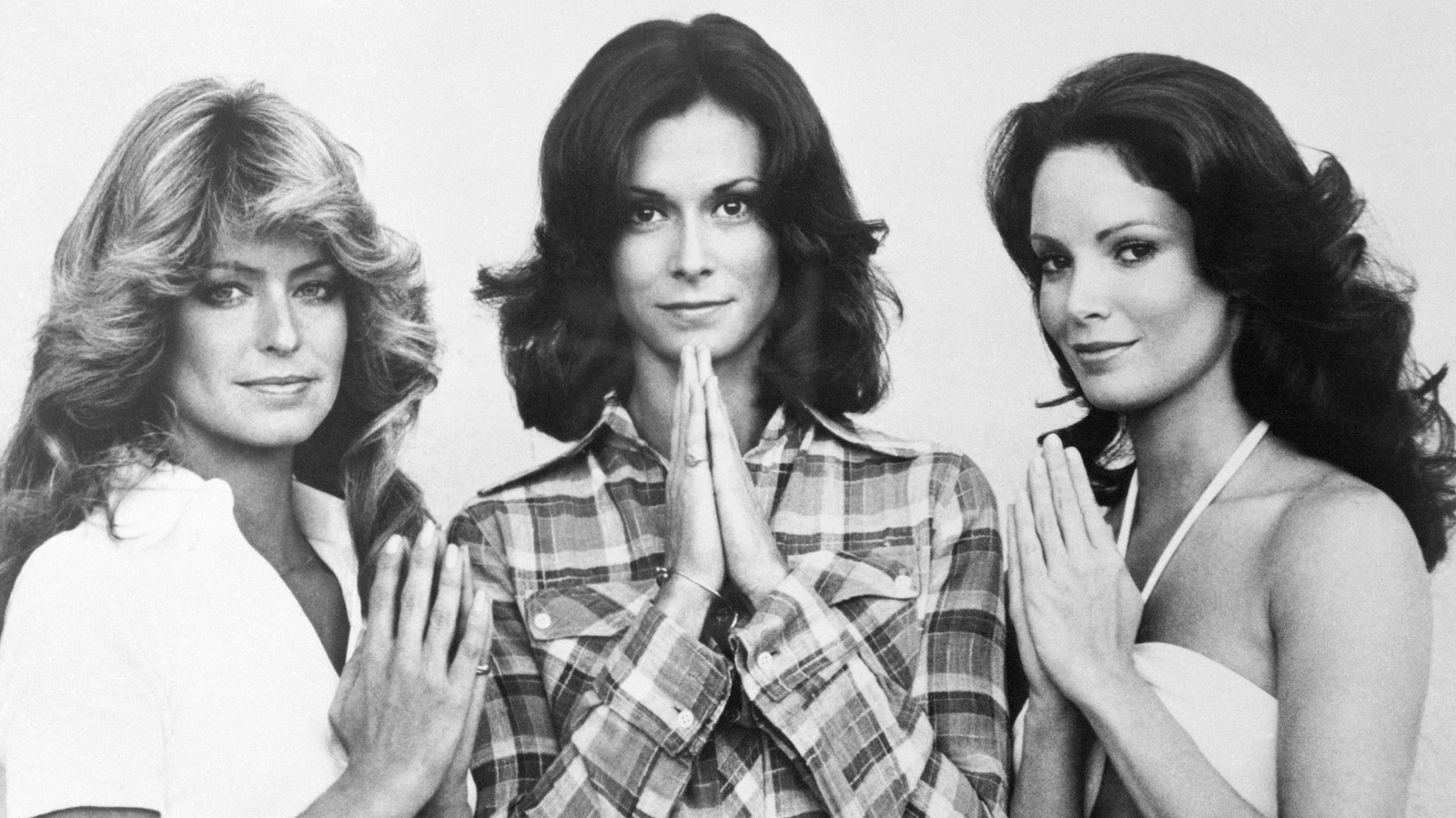
In simple terms, Farrah Fawcett left Charlie's Angels after just one season due to a combination of creative dissatisfaction, disagreements over merchandising, and her desire for more significant roles. Despite becoming a cultural icon through her portrayal of Jill Munroe, Fawcett felt constrained by the show's direction and sought to explore more challenging opportunities outside the bounds of television.
Her exit has sparked discussions for decades about what motivated such a sudden departure from a show that catapulted her into stardom. Fawcett's career trajectory, which began in the 1960s and included smaller roles in shows like I Dream of Jeannie and The Andy Griffith Show, faced a pivotal moment at the height of her initial success with Charlie's Angels.
What happened is that Fawcett quickly felt creatively stifled within her role on the show. The character of Jill Munroe, while popular, did not offer her the depth and complexity she craved. In interviews, she expressed her frustration with only having the opportunity to portray a two-dimensional character, saying that she wanted to transition into more diverse and serious roles.
Despite the show's massive success and her associated fame, Fawcett's ambition drove her to leave. The producers, including Leonard Goldberg, were reportedly blindsided by her decision, emphasizing that her departure came at a time when she had “valid contracts” and a booming public profile.
Another critical factor behind Fawcett's exit was her frustration over merchandising related to her image. After the show's debut, a barrage of products—from bedsheets to dolls—hit the market all featuring Fawcett's likeness. This commercialization proved unsettling for her, particularly since she received only a fraction of the profits from these products. She was reportedly offered just 2% of merchandising sales, significantly lower than the 10% she sought.
Fawcett was troubled not just by the lack of compensation but also by the notion of being commodified in a way that felt invasive. She described the experience as creepy, particularly when she lacked control over how her image was being used. This dissatisfaction with corporate decisions stood in stark contrast to her desire for a more nuanced and authentic career trajectory.
Co-producer Leonard Goldberg acknowledged he struggled to comprehend Fawcett's reasons for leaving. He mentioned how much her character contributed to their success, viewing her exit as a misstep at the high point of her fame and influence. Goldberg's frustration highlights a common sentiment in the television industry: the difficulty of managing talent who feel constrained by their roles.
Fawcett's decision to leave after one season serves as an example of how far a performer might go to reclaim their career narrative. While her departure frustrated the producers, it underscored Fawcett's commitment to choose her own creative path.
Farrah Fawcett's departure from Charlie's Angels had profound effects, not just on her career but also on the show itself. While she went on to have a varied career, her initial exit meant that her public perception as an actress forever remained linked with Jill Munroe and the merchandise that followed.
Despite this, Fawcett did manage to evolve her career, starring in various movies and taking on more complex roles, although she never quite replicated the iconic status she reached during her time on Charlie's Angels. This perhaps speaks to the struggles many actors face in breaking out from roles that define them, often facing the risk of being typecast in similar parts.
Despite leaving the show, Fawcett maintained positive relationships with her co-stars, especially with Kate Jackson, who played Sabrina Duncan. Jackson emphasized that their friendship evolved through the years despite her departure from the show. Their bond reflects the camaraderie that existed among the original cast, showcasing that even amidst professional disputes, personal connections can endure over time.
Fawcett's departure may have momentarily separated the trio of stars, but Jackson confirmed that the friendship remained intact, indicating a supportive dynamic even in the wake of career changes and decisions made during a pivotal moment in television history.
The story of Farrah Fawcett's exit from Charlie's Angels encapsulates a broader narrative about the complexities of success in Hollywood. While her decision was fraught with complications surrounding her image and ambitions, it serves as a lesson about the importance of creative satisfaction and fair representation in media. Although Fawcett left a show that defined an era, she also paved the way for future generations to prioritize authenticity over commercialism.
While the reasons behind her departure appear clearly defined by creative dissatisfaction and financial disputes, aspects such as the effect of her relationships with co-stars and the broader industry environment remain subjects for further exploration.
Story breakdown
EpisodeBreakdown may use automated tools to assist research, drafting, and formatting. Published pages are governed by our editorial and corrections policies, and source links are shown when they are available in the article record.
Discovery source: TVLine. The source identifies where the topic was discovered; EpisodeBreakdown is responsible for the commentary published on this page.
Reader response
Reactions and poll results are based on real reader responses. No account is required.