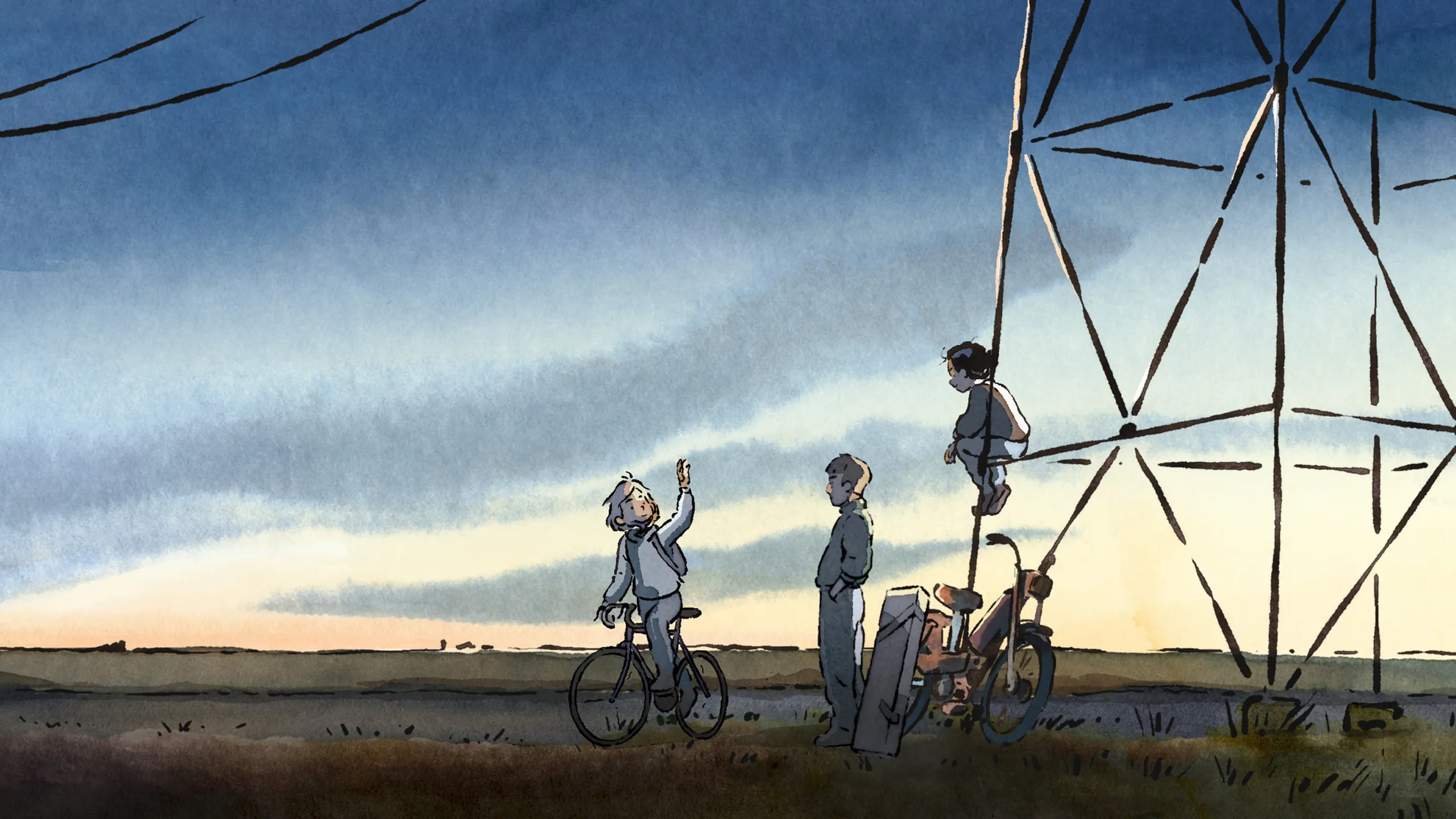
‘Paper Tiger’ and ‘Musk’ Documentary Featured at 2026 SFIFF
The 2026 Santa Fe International Film Festival showcases key titles including 'Paper Tiger' and 'Musk', marking an exciting lineup for this year.
X-Men (Vol. 2) #1, released in 1991, transformed the comic landscape and contributed to significant industry shifts.

On September 7, 2026, ComicBook.com published a retrospective on X-Men (Vol. 2) #1, highlighting its monumental impact on the comic industry. Originally released in 1991, this issue became the best-selling comic of all time, with eight million copies sold, marking a pivotal moment in comic book history.
Written by Chris Claremont, the issue featured art by notable talents including Jim Lee, Scott Williams, and Alex Garner. This creative team reinvigorated the X-Men franchise, positioning it back in Marvel's spotlight after years of diminishing popularity. While X-Men (Vol. 1) struggled to gain traction initially, Claremont’s storytelling in X-Men (Vol. 2) #1 attracted a new generation of readers, solidifying the X-Men as cultural icons.
Prior to X-Men (Vol. 2) #1, the X-Men franchise experienced a decline, transitioning from a once-popular series into a reprint title by the late 1960s. Interest surged again with the release of 1974’s Giant-Size X-Men #1, which was bolstered by Claremont's dynamic narratives that transformed the team into a commercial powerhouse. X-Men (Vol. 2) #1 effectively rebooted the X-Men storyline, reintroducing key characters and establishing a classic status quo that appealed to both long-time fans and new readers.
While the success of X-Men (Vol. 2) #1 was celebrated, it also initiated a troubling trend in the comic industry. Marvel learned to prioritize collector appeal, leading to an excessive focus on variant covers and overprinting. This shift not only distorted the publishing landscape but also contributed to difficulties that would eventually lead to a crisis within the industry. Claremont's departure from the series, driven by editorial decisions that favored artist-driven narratives over writer-led storytelling, is emblematic of this shift.
Furthermore, the book inadvertently paved the way for the birth of Image Comics, as artists like Jim Lee sought better financial opportunities and eventually departed from Marvel. These developments illustrate how X-Men (Vol. 2) #1 was both a landmark success and a catalyst for significant industry change, leading to practices that many argue have negatively affected comic book publishing.
The influence of X-Men (Vol. 2) #1 is a double-edged sword. It redefined the narrative potential of comic books, paved the way for the superhero genre’s resurgence in popular culture, and laid foundational elements that fans still treasure today. However, its legacy is also marked by practices that have been criticized for prioritizing short-term sales over long-term storytelling quality.
Readers interested in the evolution of the comic industry can trace numerous contemporary issues back to the lessons learned from X-Men (Vol. 2) #1. From the rise of editorial intervention to market over-saturation, this comic remains a crucial case study in the history of American comics.
While the immediate future of the comic book industry remains uncertain, the enduring legacy of X-Men (Vol. 2) #1 continues to influence both readers and creators alike. As fans eagerly anticipate future adaptations and the return of classic characters in various formats, it’s insightful to reflect on how past successes—and failures—shape the landscape today.
Entertainment news
EpisodeBreakdown may use automated tools to assist research, drafting, and formatting. Published pages are governed by our editorial and corrections policies, and source links are shown when they are available in the article record.
Discovery source: ComicBook.com. The source identifies where the topic was discovered; EpisodeBreakdown is responsible for the commentary published on this page.
Reader response
Reactions and poll results are based on real reader responses. No account is required.