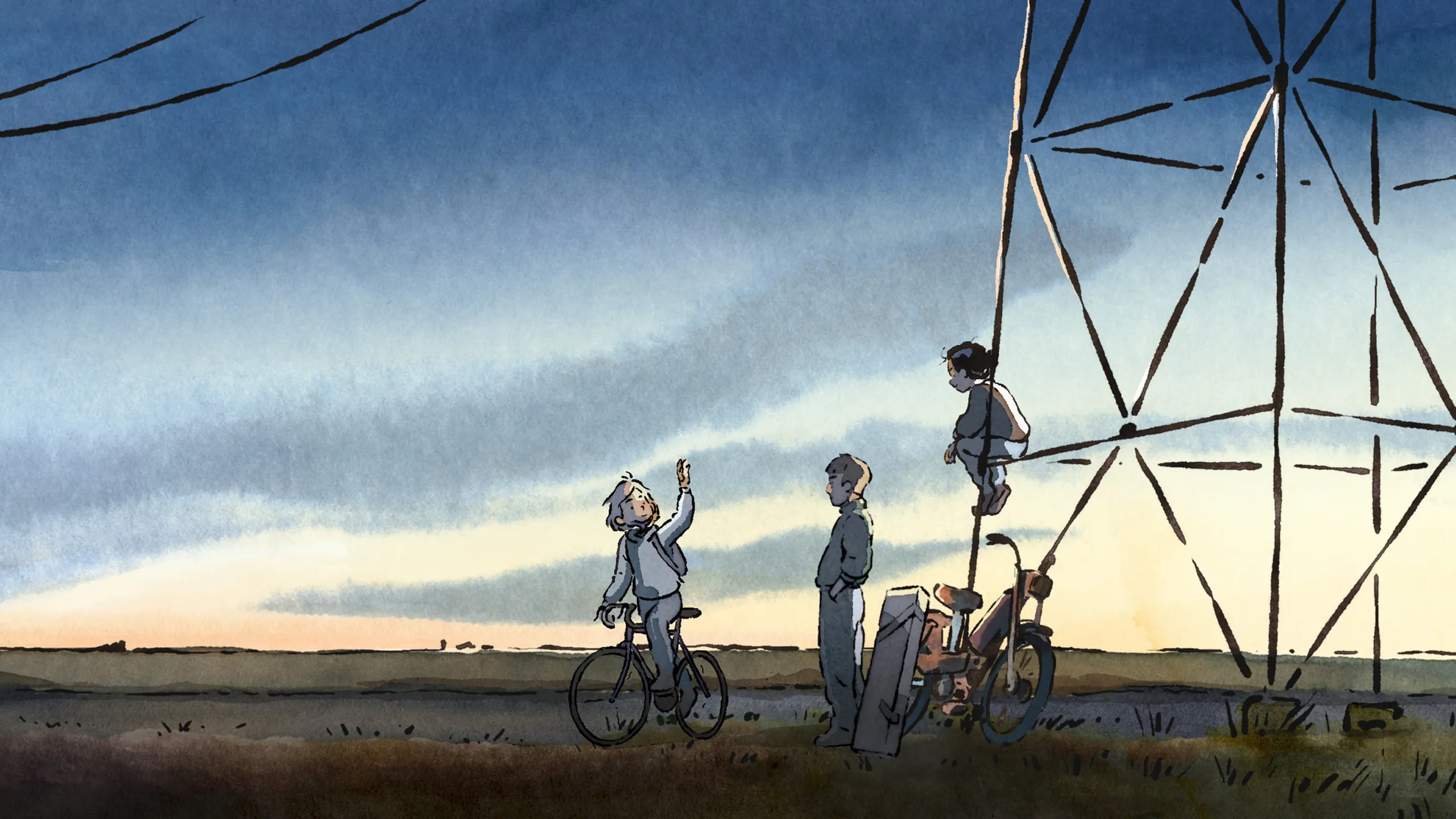
‘Paper Tiger’ and ‘Musk’ Documentary Featured at 2026 SFIFF
The 2026 Santa Fe International Film Festival showcases key titles including 'Paper Tiger' and 'Musk', marking an exciting lineup for this year.
The landmark game Yakuza first hit the PS2 in North America on September 5, 2006, reshaping gaming with its unique narrative and gameplay.
On September 5, 2006, North American PlayStation 2 (PS2) owners were introduced to one of Sega's most significant titles, Yakuza. This marked the first time Western audiences could experience a game that uniquely presented modern Japanese culture through the lens of crime and loyalty.
The original Yakuza was initially exclusive to Japan and released there on December 8, 2005. It was hailed for its rich storytelling and detailed portrayal of the fictional district of Kamurocho, showcasing a vibrant blend of bustling nightlife, engaging side activities, and a deep narrative involving its main character, Kazuma Kiryu. As a former yakuza, Kiryu's journey broke new ground for mature-themed gaming and invited players into a world exploring complex themes like love and betrayal.
Originally designed for mature audiences, Yakuza exceeded expectations beyond mere combat mechanics. Players found themselves immersed in a living, breathing environment filled with side quests, mini-games, and engaging interactions that contradicted the primary story's seriousness. Sega invested considerable effort into creating an environment that went beyond the typical crime drama, establishing a template for future games.
Yakuza began as a niche title but quickly evolved into one of Sega's longest-running franchises, with subsequent titles further expanding its thematic and gameplay elements. Its sequel, Yakuza 2, followed shortly in Japan and launched in North America in 2008. The series maintained its focus on detailed Japanese urban environments, character-driven stories, and an evolving gameplay system.
One of Yakuza's most significant contributions to modern gaming is its innovative approach to open-world design. Unlike many open-world titles, which often treat cities as mere backdrops to missions, Yakuza transformed its settings into interactive spaces filled with life and detail. This environment allowed for seamless transitions between serious drama and lighter, comedic moments, distinguishing it from franchises like Grand Theft Auto and Saints Row.
Over the years, Yakuza has not only shaped the direction of its series but has also impacted wider gaming culture. It showcased the potential for games rooted in Japanese culture to resonate with a global audience, reshaping perceptions of what video games could achieve as an artistic medium. The franchise's growth into mainstream success, through titles like Yakuza: Like a Dragon, illustrates its ability to adapt while retaining its core identity.
As we celebrate the 20-year anniversary of Yakuza on the PS2, it's clear that its legacy continues to thrive. The impact it has had on gaming design and narrative depth remains evident in today’s titles, oriented around character and setting. It ultimately transformed perceptions of narrative in video games and highlighted the importance of creating expansive, lived-in worlds that offer a blend of serious and light-hearted interactions.
For players who experienced Yakuza upon its initial release, the game not only introduced a compelling story but also a beloved franchise that continues to evolve. As the series moves forward, its foundational elements ensure that it resonates with both newcomers and long-time fans alike.
For more insights into gaming culture and trends, check out our coverage on Turok: Dinosaur Hunter Now Available on PS5 and the latest on Broadway Fall Preview 2026.
Entertainment news
EpisodeBreakdown may use automated tools to assist research, drafting, and formatting. Published pages are governed by our editorial and corrections policies, and source links are shown when they are available in the article record.
Discovery source: ComicBook.com. The source identifies where the topic was discovered; EpisodeBreakdown is responsible for the commentary published on this page.
Reader response
Reactions and poll results are based on real reader responses. No account is required.