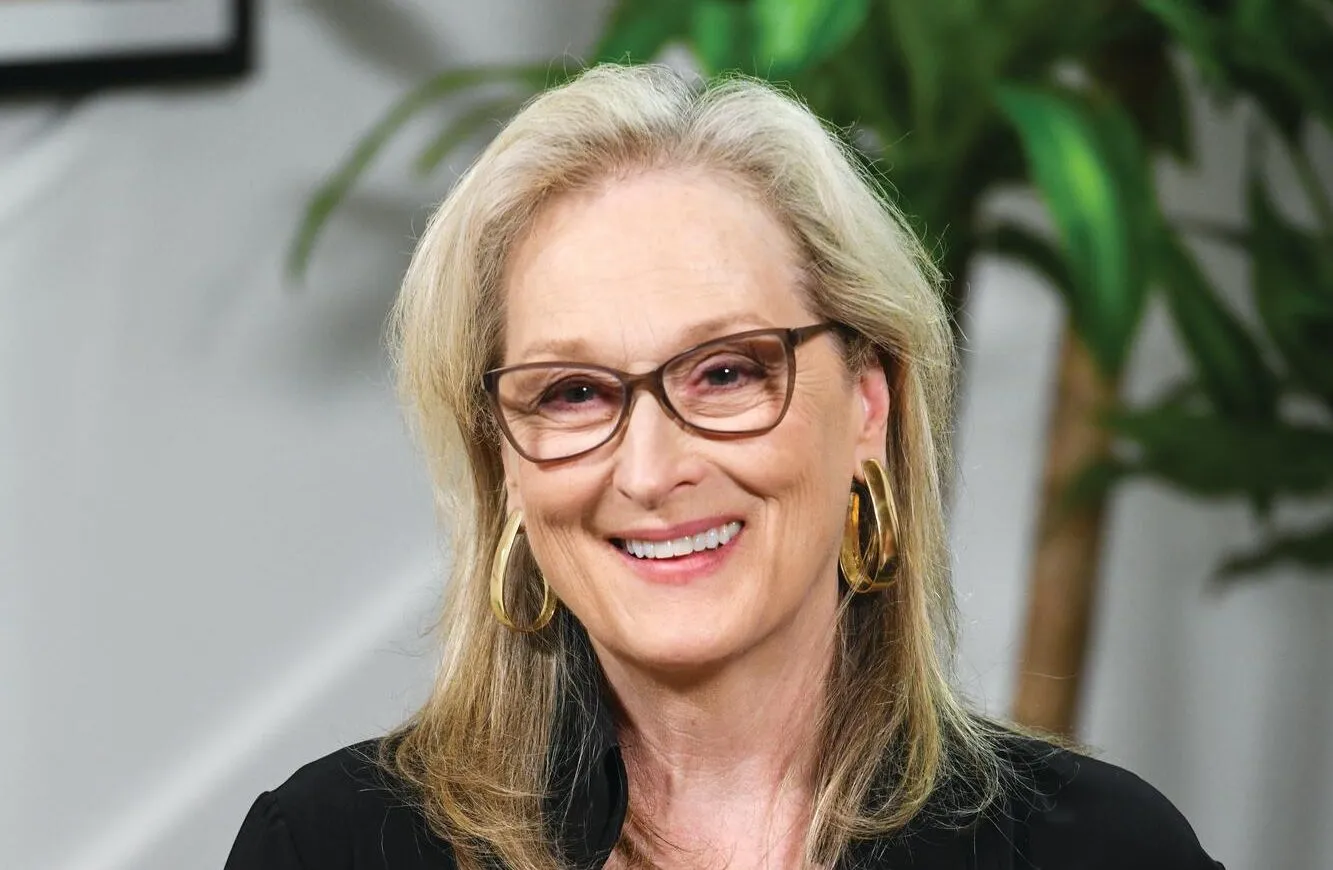
Greta Gerwig Announces Meryl Streep as Aslan in ‘Narnia’
Greta Gerwig has confirmed that Meryl Streep will voice Aslan in her adaptation of C.S. Lewis’s ‘Narnia,’ inspired by David Bowie’s music.
Zara Larsson condemned the White House for featuring her song in a deportation video, calling it dehumanizing and disrespectful.
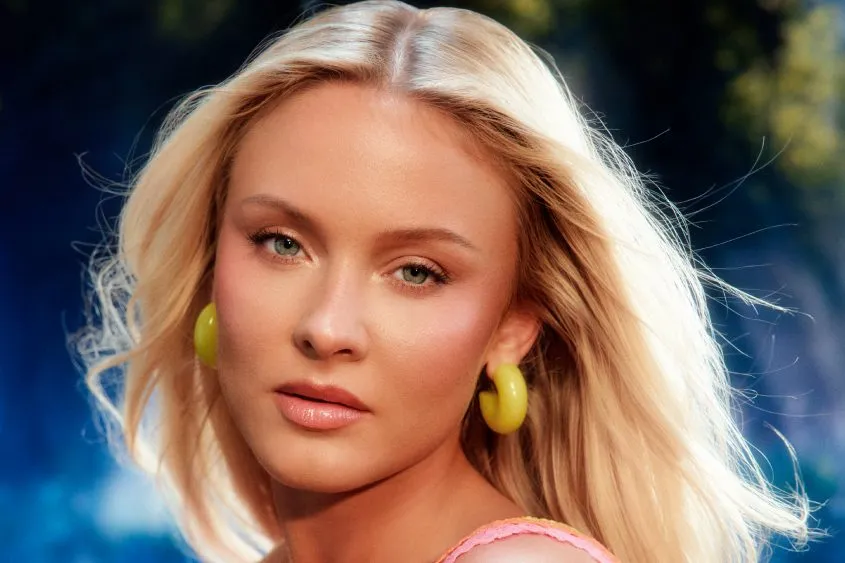
Zara Larsson has explicitly criticized the White House for using her song "Midnight Sun" in a TikTok video that depicts ICE agents arresting individuals for deportation. The TikTok post, captioned "Never ending deportations," featured visuals that Larsson deemed dehumanizing. The news was confirmed by Variety on September 17, 2026.
In her response, Larsson shared a video on her personal TikTok, where she expressed her disappointment by holding an "L" up to her forehead. She stated, "I’m just sad. My heart is heavy seeing that, because..." emphasizing her desire for empathy and understanding of the situation.
Larsson's condemnation stems from her belief that the video trivializes the struggles of undocumented immigrants. She elaborated, revealing that the individuals in the video are real people with hopes and aspirations: "These people are regular people with jobs, and they’re just trying to have a better future. It’s so crazy how everything is so meme-ified, especially ‘Midnight Sun,’ which is about feeling connected to nature, the universe, and people."
Earlier this year, the White House similarly used another of Larsson's songs, "Lush Life," featuring footage of President Donald Trump dancing and promoting pro-ICE sentiments. This has led to growing scrutiny of political figures using artists' music without consent.
Larsson is not the only artist who has faced such issues. Ariana Grande has also voiced her concerns after her song "bye" was used in a context related to ICE operations, recognizing the growing trend of artists challenging the appropriation of their work by political entities. The crossed lines between music and politics highlight ongoing tensions surrounding immigration and artist rights in the current political climate.
Larsson’s response reflects a broader trend where artists are increasingly vocal about their artistic integrity and the messages conveyed through their work. As more musicians speak out against the misuse of their songs, it raises critical questions about consent and the political application of music. It's clear that Larsson and others in the industry seek to reclaim their narratives, emphasizing that their artistry should not be utilized to propagate divisive political views.
Zara Larsson's public rebuke of the White House for using her music in a deportation-themed TikTok signals a pivotal moment for artists voicing their concerns about the use of their creative work in political arenas. As public awareness grows, we may see more artists taking a stand against unauthorized use of their music, impacting both the entertainment industry and political narratives.
For insights into emerging talents, see our piece on Variety’s 10 Animators to Watch for 2026 and learn more about significant projects in production like David Dobkin's Matt Rife Comedy 'Unaccompanied Minor'.
Entertainment news
EpisodeBreakdown may use automated tools to assist research, drafting, and formatting. Published pages are governed by our editorial and corrections policies, and source links are shown when they are available in the article record.
Discovery source: Variety. The source identifies where the topic was discovered; EpisodeBreakdown is responsible for the commentary published on this page.
Reader response
Reactions and poll results are based on real reader responses. No account is required.