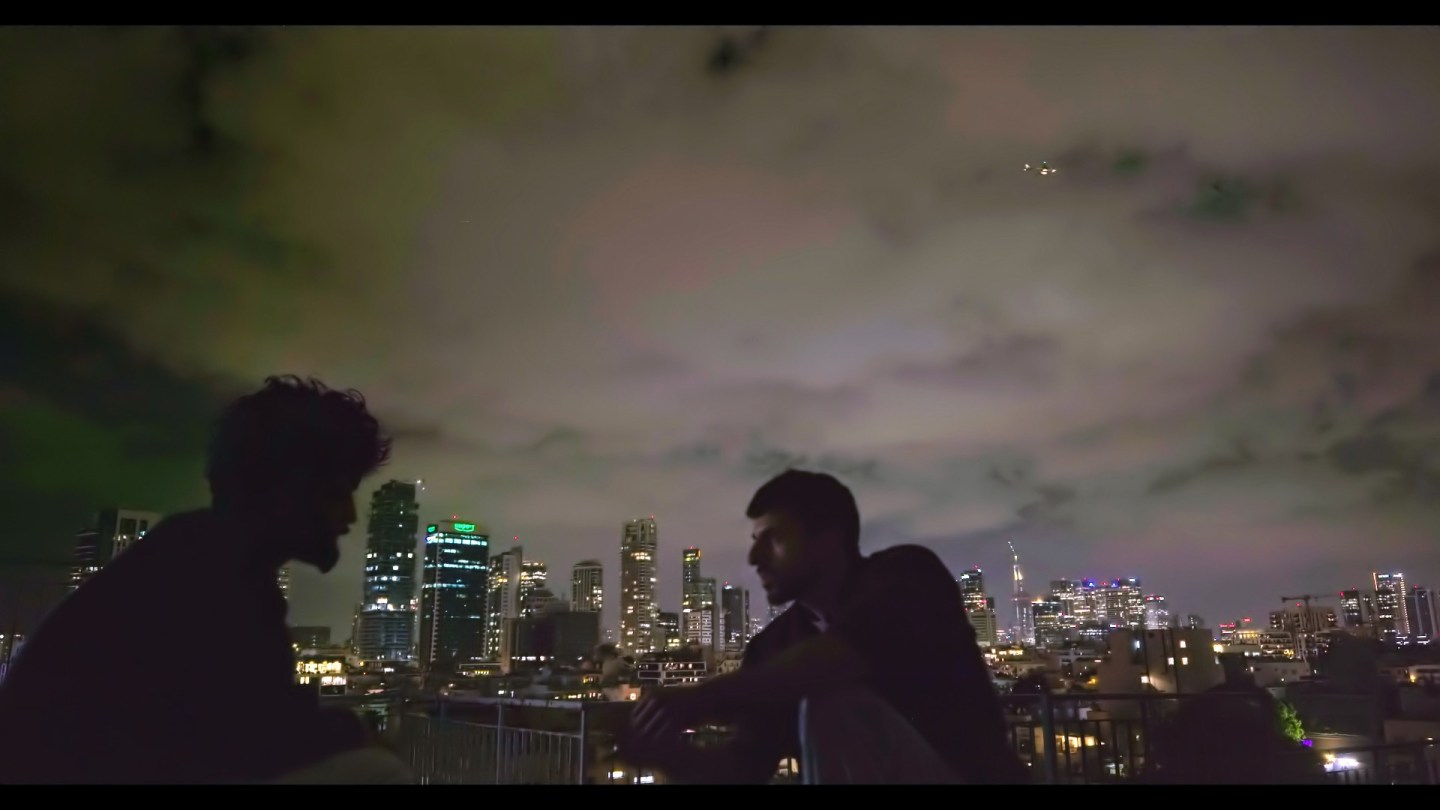
Inside ‘NAZA’: A Controversial Exposé on IDF’s War in Gaza
The documentary 'NAZA' reveals unsettling testimony regarding civilian targeting in Gaza, produced by The Guardian and directed by Yuval Abraham and Rachel Szor.
In a recent interview, philosopher Slavoj Žižek shares his thoughts on his new documentary *The Pervert's Guide to Utopias* and the perplexing appeal of pop culture icons like Taylor Swift and Spider-Man.
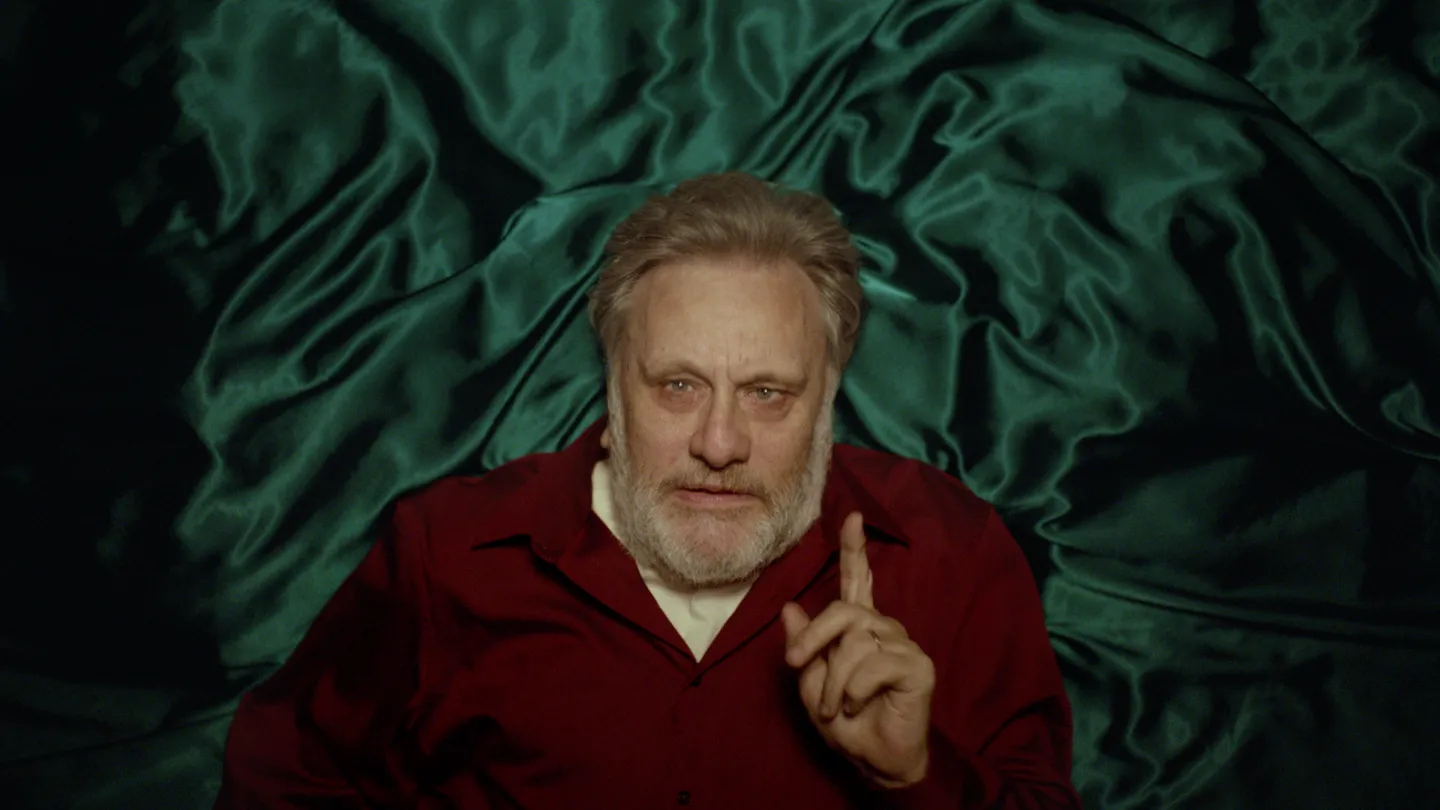
Slavoj Žižek, the Slovenian philosopher known for his provocative ideas, explores significant questions surrounding modern society in his new documentary, The Pervert's Guide to Utopias, directed by Sophie Fiennes. The film premiered at the Venice Film Festival on September 7, 2026. In the documentary, Žižek takes an in-depth philosophical look at how cinema reflects and critiques contemporary societal structures, aiming to reveal hidden truths in mainstream media.
During a recent conversation, Žižek discussed his bewilderment over the massive popularity of pop culture figures, particularly Taylor Swift and blockbuster hits like Spider-Man, which has garnered over $2 billion in box office revenue. "I try to listen to Swift’s music but struggle to grasp why she resonates so deeply with audiences," he said. He reflects on the superficial allure of these icons, prompting a deeper analysis of why certain cultural phenomena captivate audiences while lacking substantive engagement.
In this documentary, Žižek critically examines capitalist ideologies, positing that they obscure the vision of genuine utopia. He challenges viewers to rethink their perceptions about the relationship between capitalism and the improvement of society. He stated, “Our duty is to see things the way they are. And here, cinema helps us.” This stance emphasizes Žižek's belief that cinema can serve as a critical lens through which to understand and reimagine social realities.
The film employs cinematic analysis alongside philosophical discourse, revealing how narratives in cinema often illuminate utopian ideals that tend to elude our everyday experiences. By recreating iconic film scenes, Žižek showcases the potency of visual storytelling in effectively communicating complex philosophical concepts.
Žižek's dialogues illustrate the increasingly blurred line between philosophical thought and popular media, making complex ideas more accessible to broader audiences. Throughout the conversation, he navigates the intricate relationships between capitalism, culture, and cinema, encouraging viewers to critically engage with the cultural narratives they consume.
He argues for the need to reintroduce shame and moral restraint into our cultural discourse, challenging the modern conventions of unwavering openness. This layered perspective invites the audience to reconsider their beliefs about freedom and morality in the context of contemporary cultural phenomena.
The Pervert's Guide to Utopias not only raises critical questions about capitalism's implications in cultural narratives but also suggests that cinema can significantly influence thought and action within society.
Entertainment news
EpisodeBreakdown may use automated tools to assist research, drafting, and formatting. Published pages are governed by our editorial and corrections policies, and source links are shown when they are available in the article record.
Discovery source: The Hollywood Reporter. The source identifies where the topic was discovered; EpisodeBreakdown is responsible for the commentary published on this page.
Reader response
Reactions and poll results are based on real reader responses. No account is required.