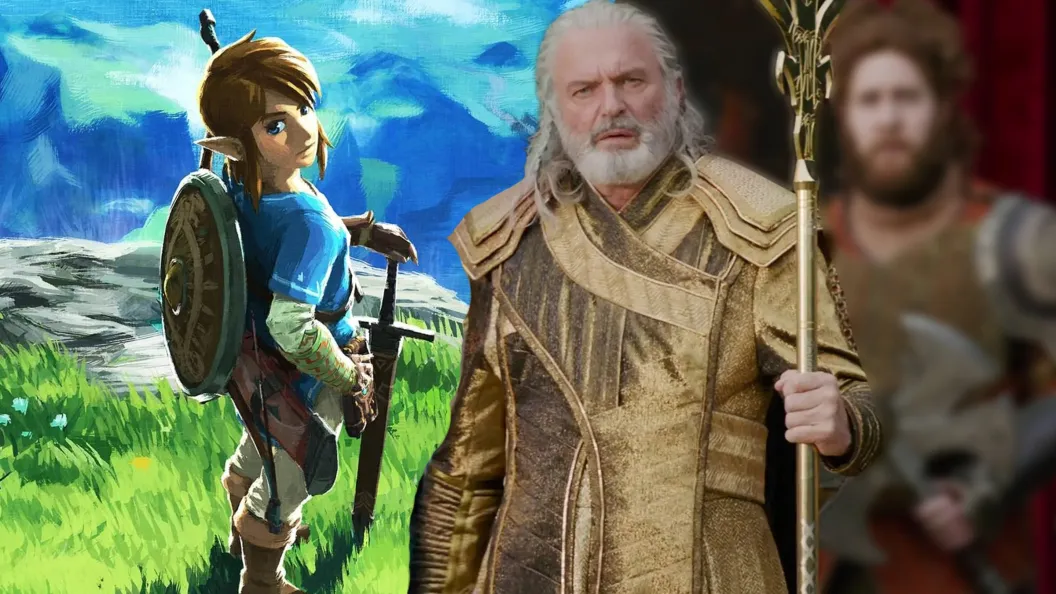
Jurassic World Rebirth Sequel Faces Setback as Director Exits
The sequel to 'Jurassic World Rebirth' has hit a significant roadblock as director Gareth Edwards departs the project due to reported creative differences.
Explore subtle movie jokes often missed by audiences on first viewing—revealing layers of comedy you might have missed.
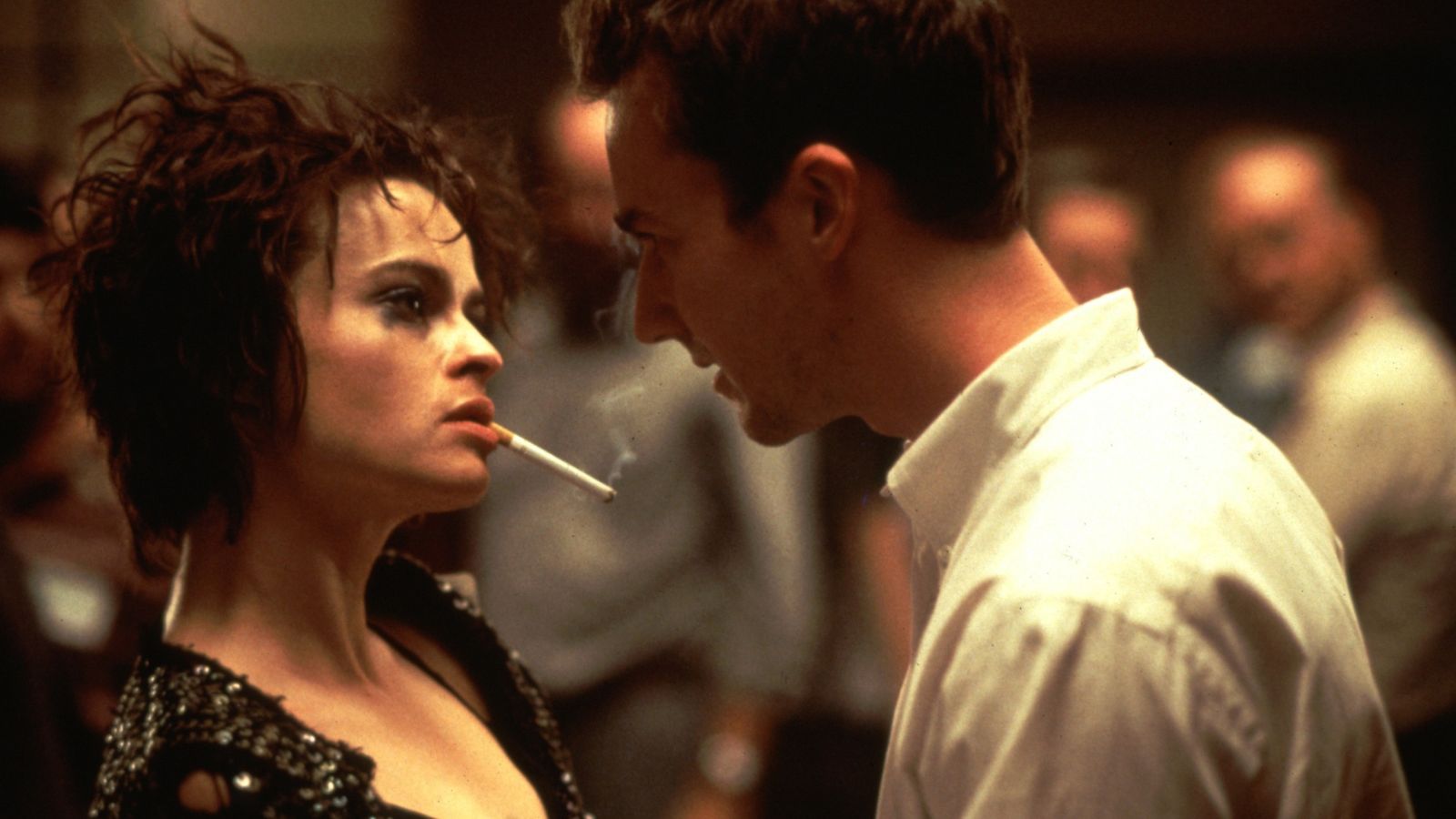
In simple terms, movie jokes do not always rely on loud punchlines or visible gags; in fact, many of the best comedic moments in cinema are tucked away in the background, layered in clever wordplay, or hidden in plain sight. This analysis explores fifteen such moments where humor flew under the radar during initial viewings. The central question is thus: what makes these jokes effective?
To answer, we observe that the subtlety involved allows these jokes to resonate at different levels with audiences over time. By embedding humor within the narrative architecture of the film, these jokes reward viewers with a new understanding upon rewatching—elevating the viewing experience and ensuring that the comedy is not just momentary but lasts long after the credits roll.
Many jokes in films become apparent only when one understands specific cultural references or previous cinematic works. For instance, in Back to the Future, when Marty mentions that Ronald Reagan is president, Doc Brown’s laughter underscores a layer of comedic absurdity—audiences from 1955 would be perplexed by the notion of a former Hollywood actor in such a powerful political role. Here, the humor hinges on the intersection of time travel and historical context, which is what many younger viewers might entirely overlook during a first watch.
By weaving historical references into the dialogues, filmmakers craft a tapestry of humor that speaks both to contemporary audiences and to those revisiting the film years later. Likewise, characters in animated films like Shrek present visual hints about real-world figures. Lord Farquaad’s stature is often interpreted as a jab at former Disney CEO Michael Eisner, showcasing how the film often skews its humor to target specific personas, while also keeping it broadly appealing.
Confirmed events indicate that visual humor plays a significant role in this dialogue. Take, for example, the background details of Monsters, Inc.—the movie literally runs on children’s screams, effectively presenting a satire of corporate cultures that commodify fear. Many signs, headlines, and background jokes remain unacknowledged by viewers focused on the primary story, allowing audiences to unearth more layers of comedy with each subsequent viewing.
The use of visual puns, like Yzma magically outpacing Kuzco and Pacha in The Emperor’s New Groove, highlights the playful absurdity that provokes laughter through sheer disbelief. It not only digs into the narrative’s humor but also invites the audience to question plot logic through comedic exaggeration. This interconnectedness of jokes serves to enrich the narrative backstory while creating moments that feel rewarding in both casual and sustained viewings.
What’s particularly interesting about many movies is that their humor often acts as a commentary on film itself. For example, The Incredibles offers a biting look at the superhero genre, with Edna Mode’s “No capes!” line referencing the real-world hazards that capes have posed to iconic characters. Subsequent viewings reveal how intricate the layers of humor truly are—once viewers catch onto these references, they feel compelled to return to the film, eager to explore these breadcrumbs sprinkled throughout the comedy.
Similarly, the integration of product placement in films has become a running joke, most famously demonstrated in The LEGO Movie where characters awkwardly promote products directly to the camera. Long before this phenomenon became common knowledge, the film adeptly mocked the marketing strategies employed in contemporary cinema through a comedic lens.
Digging deeper into the examination of these jokes often unveils broader cultural criticism. Take Monsters, Inc. again, where the company relies on children’s screams for energy—this clever commentary on capitalism underscores how industries might manipulate fear for profit, which remains largely unnoticed until viewers have the time to reflect on the broader implications of such seemingly childish humor. Such layers also pose larger questions about what we, as consumers, accept without question.
In the same vein, comedy in animated films frequently leans into societal critiques, inviting audiences of various ages to reflect on their own realities. When the DMV is staffed by sloths in Zootopia, it points to well-known frustrations with bureaucracy while wrapping it in a comedic format that resonates universally.
The endings of such films often serve to tie together these intricate layers of humor. In many cases, the culmination of laugh-out-loud moments connects back to earlier gags. For instance, in Shrek, the buildup of comedy and plot points allows for a resolution that pays off earlier jokes—reiterating the message that “happily ever after” is anything but traditional.
The echoing of comedic elements throughout the story creates a richly woven tapestry of satisfying humor that ties characters and their journeys together, reinforcing the importance of nuance in comedy. It turns lighthearted interactions into pivotal moments that define character arcs and provoke thought: What journey have these characters undergone, and how does laughter function as a vehicle for growth?
Exploring movie jokes that go unnoticed initially opens up a fascinating dialogue about how we engage with cinema. These moments attract a variety of interpretations, deepening the audience's experience beyond a mere first viewing. They serve not only as excellent comedic devices but also as rich cultural critiques that surface upon reflection.
Whether viewers are aware of the cleverness invested by filmmakers or simply enjoy a good chuckle, this analysis highlights the layers behind the humor—the interplay of nostalgia, societal commentary, and emotional resonance that adds invaluable depth to our cinematic experiences. The next time you rewatch your favorite films, keep an eye out for these subtle gems; you might just discover a newfound appreciation for the craftsmanship behind the laughter. For additional insights on memorable cinematic moments, check out The Truth Behind Iconic Movie Quotes We Always Misremember or dive into Sam Neill's Role in the Upcoming Legend of Zelda Movie.
Movie explanation
EpisodeBreakdown may use automated tools to assist research, drafting, and formatting. Published pages are governed by our editorial and corrections policies, and source links are shown when they are available in the article record.
Discovery source: Den of Geek. The source identifies where the topic was discovered; EpisodeBreakdown is responsible for the commentary published on this page.
Reader response
Reactions and poll results are based on real reader responses. No account is required.