Spider-Man: Brand New Day – A Box Office Phenomenon on the Horizon
Spider-Man: Brand New Day is poised for a blockbuster opening weekend, capturing themes of nostalgia and growth.
Explore why these lesser-known 1960s sci-fi shows deserve revitalization in today’s media landscape.
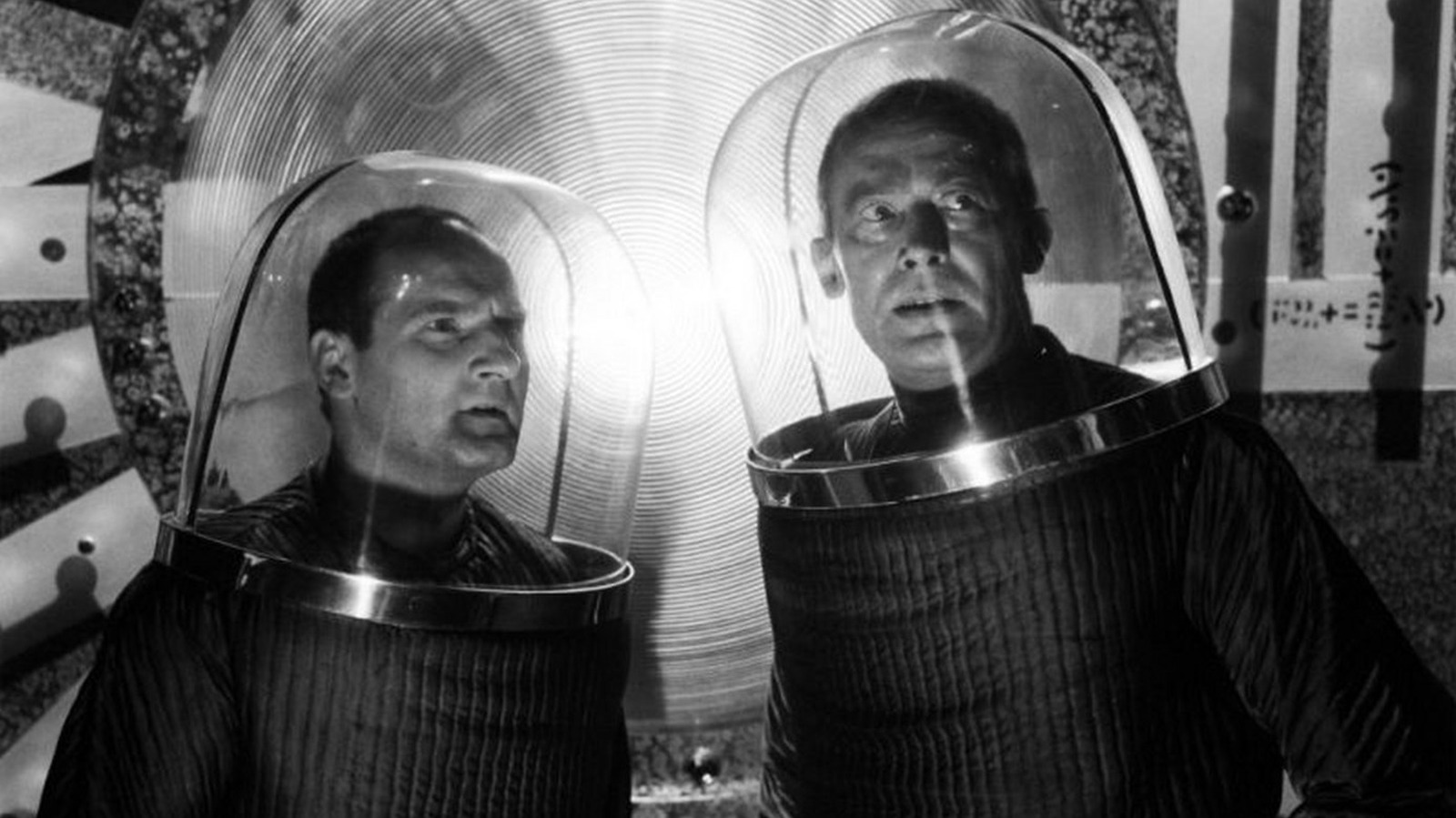
In simple terms, the central question of this analysis is: Why are several lesser-known 1960s sci-fi shows ripe for a modern reboot? The answer lies in their unique storylines, cultural commentary, and nostalgia appeal. These shows serve as a fascinating time capsule of societal anxieties and aspirations, many of which resonate with today’s audiences seeking both entertainment and depth in storytelling.
This article will focus on five forgotten sci-fi series from the 1960s: ‘Way Out’, ‘Undermind’, ‘Raumpatrouille: Die Phantastischen Abenteuer des Raumschiffes Orion’, ‘Fantastic Voyage’, and ‘Joe 90.’ Each show has unique attributes that could be rejuvenated for contemporary viewers, enhancing their narratives with modern contexts and technologies.
Many iconic shows from the 1960s have been reimagined for modern audiences, such as Star Trek and The Twilight Zone, but several others have been overlooked. One standout is ‘Way Out’, an anthology series that offered a glimpse into the darker, more imaginative side of Roald Dahl's storytelling. This show only aired briefly but is notable for its unsettling narratives, such as the haunting tale of a dead husband's consciousness. Instead of simply reviving Dahl's vision, a modern reinterpretation could delve deeper into psychological horror, intertwining modern social issues with narratives surrounding isolation, technology, and existential dread.
Undermind presents another compelling candidate for a reboot. The show features a couple investigating mind-control aliens manipulating human behavior, a concept that takes on new meaning in the context of today's digital era, dominated by social media manipulation and misinformation. This plot could serve as a critical lens to examine contemporary issues regarding autonomy and the influence of technology on human relationships. By exploring how paranoia permeates our lives today, Undermind could engage a new generation in a dialogue about consent, control, and the nature of reality.
Next, we have ‘Raumpatrouille: Die Phantastischen Abenteuer des Raumschiffes Orion’, which debuted at the same time as Star Trek. This series explores a united Earth amid interstellar adventures, enriched by diverse characters from various nationalities. The show encapsulates a sense of hope—a vision of a harmonious future that contrasts sharply with the conflicts that are present in today’s global society. A modern adaptation could emphasize these themes of unity and explore how different cultures can collaborate to face common challenges, perhaps even integrating real-world scientific advancements to enhance the storytelling.
The ‘Fantastic Voyage’ series, inspired by the film of the same name, had the intriguing concept of microscopic adventures within the human body. Although the initial series lacked finesse, the idea remains rich with potential. A contemporary remake could leverage cutting-edge CGI and medical science to craft a visually stunning narrative showcasing not only the adventures of tiny explorers but also the implications of medical ethics and advancements, emphasizing personal stories about the fight for survival. Such a reboot could offer thrilling escapism while inviting viewers to ponder deeper questions about what it means to be alive in a medicated age.
Finally, there's ‘Joe 90’, which portrays a boy trained in espionage through a brain-impulse machine. Although less known, Joe's adventures reflect a captivating mixture of childhood innocence juxtaposed with high-stakes espionage. A contemporary version could explore themes of child empowerment, the ethics of using technology for intelligence, and target the worries parents have about the influence of technology on their children. This concept resonates with the current trends in storytelling that tackle the duality of childhood imagination and adult realities. Imagine the possibilities of mixing humor with social commentary as Joe tackles espionage challenges in the modern world.
All these shows share an element of social commentary that is ripe for today's audiences. Themes like fear of control, possibilities of unity, adventure within extraordinary confines, and the prospect of youthful innovation reflect ongoing societal concerns. Reboots allow for exploring these themes with a contemporary lens, making the works relevant to current audiences while respecting the source material. Each series provides insights into human nature and societal structure, making them not just relics of their time but also canvases for discussing our future.
By resurrecting these lesser-known sci-fi shows from the 1960s, filmmakers would not only revive engaging storylines but also stimulate important conversations around ethical dilemmas, human connection, and the impact of technology. Modern viewers are likely to connect with the roots of these themes while appreciating the fresh interpretations that closely align with today’s societal landscape. As the current trend leans heavily into reboots, these shows could serve as both nostalgic reminders and thought-provoking narratives that resonate, educate, and entertain a new generation of audiences.
Movie explanation
EpisodeBreakdown may use automated tools to assist research, drafting, and formatting. Published pages are governed by our editorial and corrections policies, and source links are shown when they are available in the article record.
Discovery source: Slashfilm. The source identifies where the topic was discovered; EpisodeBreakdown is responsible for the commentary published on this page.
Reader response
Reactions and poll results are based on real reader responses. No account is required.