test
asdasd
Dive into the world of Spider-Man TV adaptations as we rank all 14 shows based on quality and fidelity to the iconic character.
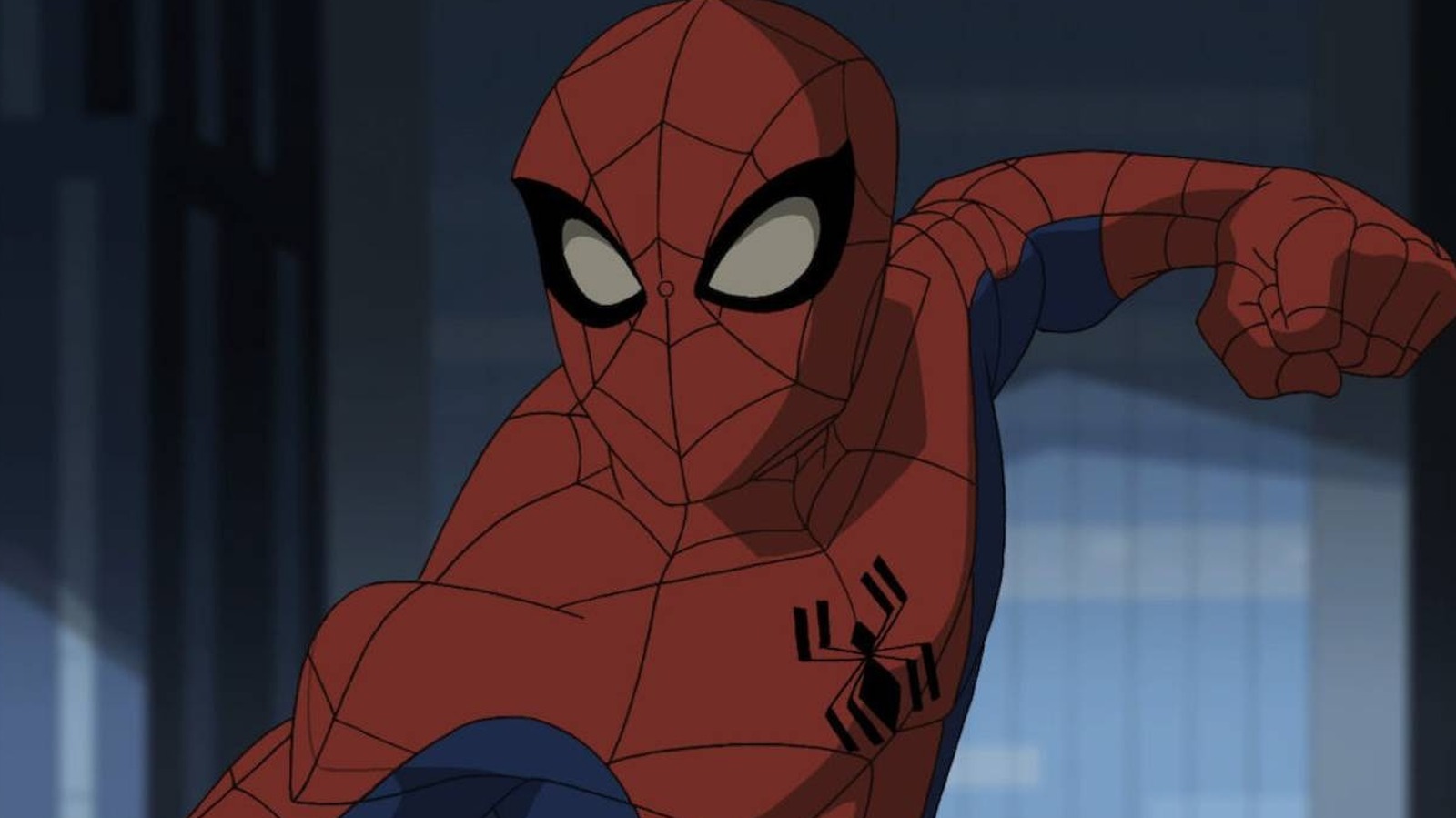
With Spider-Man soon returning to theaters in Spider-Man: Brand New Day, it’s the perfect opportunity to revisit his vast legacy on television. This breakdown categorizes all 14 Spider-Man TV shows from best to worst, focusing on their entertainment value and loyalty to the beloved character's essence. In simple terms, we highlight the shows that best embody Spidey’s wit, struggles, and adventures.
The criteria used for ranking the Spider-Man shows hinge on both faithfulness to the original comic character and overall entertainment quality. While some adaptations brought considerable innovation, others missed the mark entirely, failing to capture the favorite quirks and character traits of Spider-Man. We specifically left out shows not known for their steadfast adherence to Spider-Man’s core, like Spidey Super Stories, deeming them less relevant in this particular ranking.
1967's Spider-Man: Often hailed as a classic, this show offers both charm and nostalgia. Its memorable theme song and faithful portrayal of Spider-Man’s character have contributed to its lasting appeal. The show effectively captures Spidey's rogues gallery and lays the groundwork for future adaptations.
1994's Spider-Man: The Animated Series: Regarded as one of the best superhero animated series ever, this show captures the darker themes from the comics while offering high stakes and memorable villains. Its interconnected story arcs allow for deeper character exploration.
Ultimate Spider-Man (2012-2017): This series introduced a new generation to Spider-Man, blending humor with character complexity. Featuring appearances by other Marvel superheroes, it cleverly navigated iconic story arcs like the Spider-Verse.
Spider-Man: The New Animated Series: Intended as a bridge between the first two Sam Raimi films, this series featured college-age Peter Parker. Its animation now appears dated, but it adeptly portrays Peter’s struggles with duality, making it a unique entry in the franchise.
2017's Spider-Man: Despite introducing fan-favorite characters like Miles Morales and Spider-Gwen, the series becomes inconsistent and suffers from stiff animation. It shows promise but falls short of maintaining viewer engagement through its first few seasons.
The Amazing Spider-Man (1977-1979): While technically groundbreaking for its time, the series strayed too far from the source material, neglecting important character elements like Spider-Man's humor and personal struggles.
Spider-Man Unlimited (1999-2000): Taking significant creative liberties, this series suffered from its lack of established villains and supporting characters, detracting from its connection to the original Spider-Man narrative.
Spider-Man and His Amazing Friends (1981-1983): This show attempted to create a superhero team dynamic but often felt like a Saturday morning cartoon, lowering the stakes and personal narratives of its characters.
Japan's Supaidāman* stands out as a quirky variation of the Spider-Man concept. Far removed from the comics, it includes an inventive storyline featuring mechs, which has earned a niche following. Its radical divergence demonstrates how versatile the Spider-Man character can be across cultural interpretations.
Ultimately, the landscape of Spider-Man television adaptations is rich and diverse. Each decade has produced its own interpretation, whether it's Your Friendly Neighborhood Spider-Man showcasing a modernized structure or Spider-Man Noir imagining a gritty detective narrative. While some attempts falter, others successfully embody the character and storyline that fans adore.
Understanding the legacy of Spider-Man in television not only enriches the character's ongoing adaptations but also influences future iterations in movies and series. The successes and failures of past shows inform strategies that character creators might employ moving forward, ensuring that Spider-Man remains a relevant and dynamic part of popular culture.
Story breakdown
EpisodeBreakdown may use automated tools to assist research, drafting, and formatting. Published pages are governed by our editorial and corrections policies, and source links are shown when they are available in the article record.
Discovery source: TVLine. The source identifies where the topic was discovered; EpisodeBreakdown is responsible for the commentary published on this page.
Reader response
Reactions and poll results are based on real reader responses. No account is required.

