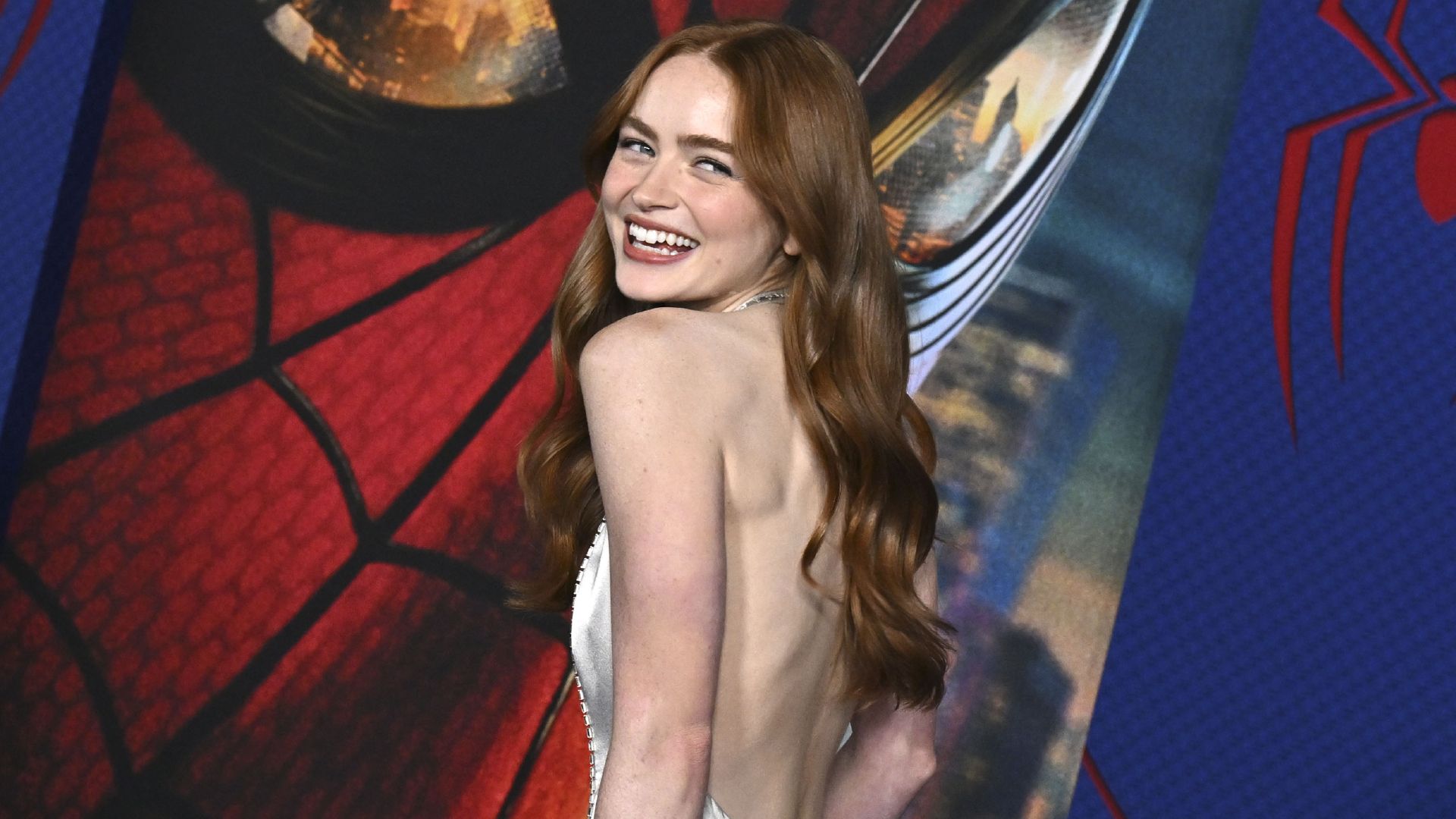
Sadie Sink’s Marvel Role in Spider-Man: Brand New Day Revealed
Sadie Sink joins the MCU as Jean Grey in Spider-Man: Brand New Day, confirmed by recent announcements ahead of the film's release.
Discover the importance of reading books before watching their movie adaptations, exploring deeper themes and character connections.
In simple terms, the crux of this article revolves around the question: Why is it essential to read the book before watching its movie adaptation? The answer lies in the intricate details and emotional layers that books offer, which films often condense or omit altogether. By diving into the text first, viewers gain a richer understanding of characters, subplots, and the world-building beyond what the screen can convey.
Reading the original novels enhances the viewing experience by allowing audiences to appreciate the creative choices filmmakers make. Adaptations may succeed visually but can lack the depth that comes from pages filled with thoughts, motivations, and backstories.
When examining specific turning points in major adaptations, it becomes clear how pivotal these disparities are. For example, consider The Lord of the Rings. Peter Jackson's trilogy is lauded for its epic portrayal of J.R.R. Tolkien's world, yet the source material dives deep into Middle-earth's intricate histories and cultures. These elements not only foreground the main adventure but also enrich the lore that fans cherish.
Similarly, in the Harry Potter series, the first film captures the magic but glosses over the emotional connections and critical subplots present in J.K. Rowling's novels. For instance, Harry’s growing bond with Ron and Hermione isn’t merely a friendship; it sets the stage for the complex dynamics that evolve throughout the series. This depth is lost if one skips straight to the cinema.
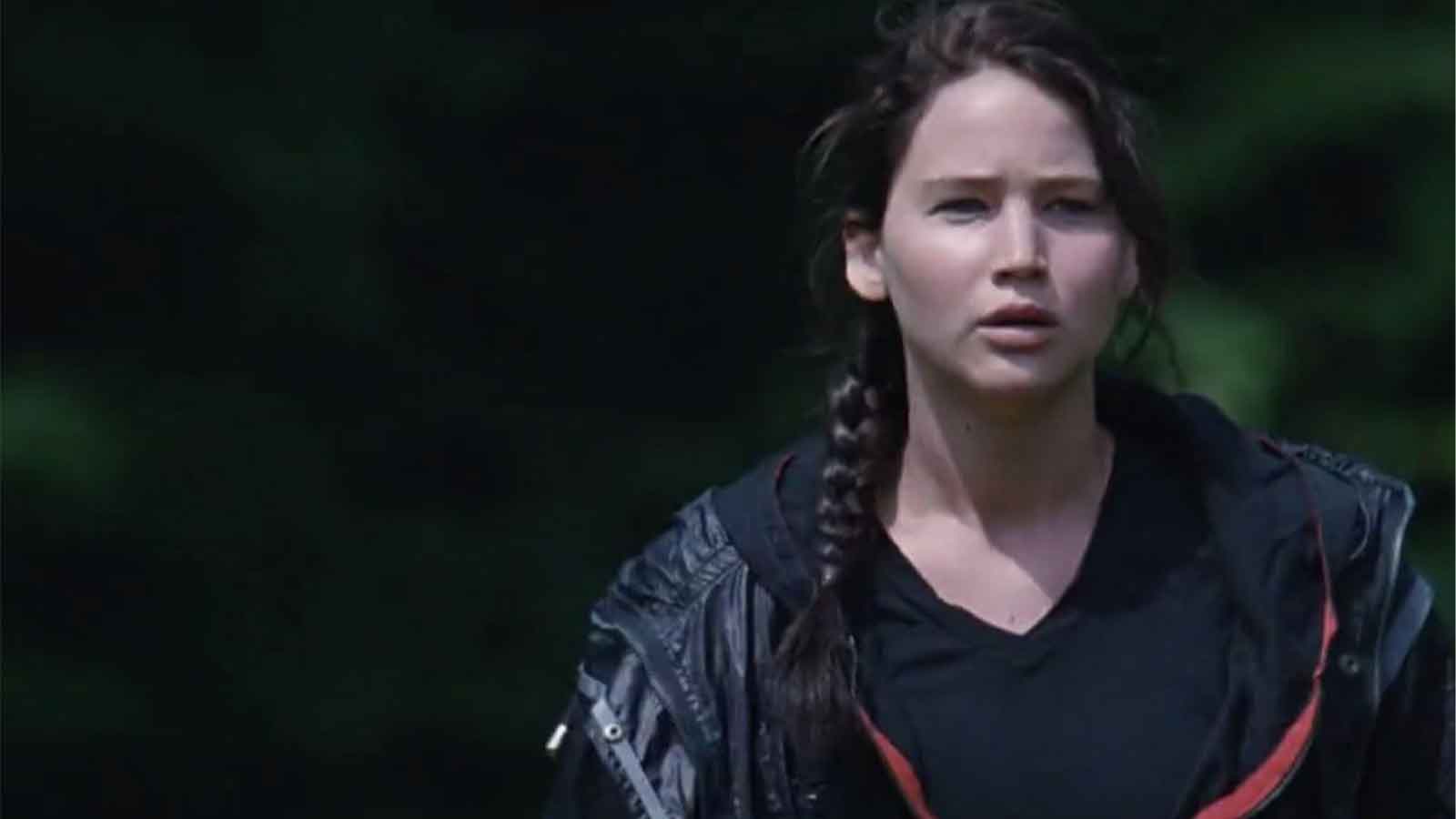
Confirmed events show that adaptations often strip layers of complexity. For instance, The Hunger Games offers action-packed sequences that effectively convey Katniss Everdeen’s struggle. However, reading Suzanne Collins’ novel provides insights into her emotional turmoil and the sociopolitical fabric of Panem. These layers make her choices resonate on a personal level that the film may not fully encapsulate.
Another confirmed adaptation, Frank Herbert’s Dune, presents stunning visuals in Denis Villeneuve’s retelling, yet it’s the novel’s rich political and historical intricacies that shape the narrative’s weight. Without the context, viewers may miss vital motivations that drive the characters.
Themes like emotional depth and moral ambiguity often shine brighter in literature. Take It, for instance; Stephen King’s original narrative not only focuses on the supernatural but intricately develops the Losers’ Club's dynamics and the terror embedded in the town of Derry. Adaptations tend to focus on the horror elements, but it’s the emotional stakes tied to their childhood experiences that make the story profoundly haunting.
In Gone Girl, David Fincher’s film adaptation preserves key narrative twists, but experiencing Gillian Flynn’s novel immerses readers in the psychological manipulation that colors the story. The exploration of media perceptions and domestic wars adds profound depth to character motivations, something frequently underrepresented in film.
Subplots often intertwine with the main narrative in ways that enhance understanding and character motivation. Michael Crichton’s Jurassic Park is renowned for its thrilling premise. However, the novel’s exploration of ethical concerns surrounding genetic manipulation provides an intellectual backdrop that the film adaptation only touches on. Readers benefit from understanding the ethical dilemmas faced by characters, which elevates the stakes significantly.
The Help is another incisive example where Kathryn Stockett’s storytelling allows each narrator to voice unique perspectives, providing context crucial for comprehending the emotional weight of the events. The film captures the core message but omits the richness of the characters’ backstories.
Exploring endings often reveals why certain choices were made. Yann Martel’s Life of Pi combines survival and spirituality in a profound way, and the novel's ambiguous ending invites deeper reflection about faith and storytelling. Adaptations might convey ideas visually but often lack the narrative complexity that provokes thoughtful contemplation.
In more conventional narratives like The Fault in Our Stars, John Green employs humor and raw emotion to articulate the fragility of life and love. The book allows readers to delve deeper into Hazel and Gus’s philosophies, providing a layered understanding that enriches the viewing experience but is often filtered out in cinematic translations.
In essence, the analysis of these adaptations underscores the importance of experiencing the source material before its cinematic counterpart. By reading first, audiences can grasp not just the surface details, but the emotional and thematic depths that enrich the storytelling. When films adapt literature, they often distill a complex narrative into a shorter, action-oriented experience that can overlook quieter yet crucial moments.
For ardent fans and newcomers alike, immersing oneself in the original text can transform how stories are understood and appreciated on screen. This approach invites a more reflective engagement, unlocking layers that enhance both the literary and cinematic experiences.
Ultimately, reading these 20 books helps prepare viewers for the nuanced layers and emotional contexts that film adaptations might miss. For broader insights into character development and thematic exploration, check out related articles such as Understanding The Hand in Spider-Man: Brand New Day and Analyzing the Impact of Andrew Garfield's Spider-Man.
Engaging with the books not only enhances your movie-watching experience but fosters a deeper connection to the characters and their worlds, ultimately leading to a richer appreciation for both mediums.
Movie explanation
EpisodeBreakdown may use automated tools to assist research, drafting, and formatting. Published pages are governed by our editorial and corrections policies, and source links are shown when they are available in the article record.
Discovery source: Den of Geek. The source identifies where the topic was discovered; EpisodeBreakdown is responsible for the commentary published on this page.
Reader response
Reactions and poll results are based on real reader responses. No account is required.