‘Paper Tiger’ and ‘Musk’ Documentary Featured at 2026 SFIFF
The 2026 Santa Fe International Film Festival showcases key titles including 'Paper Tiger' and 'Musk', marking an exciting lineup for this year.
The film adaptation of Ray Bradbury's A Sound of Thunder premiered on September 2, 2005—a release that fans would rather forget.
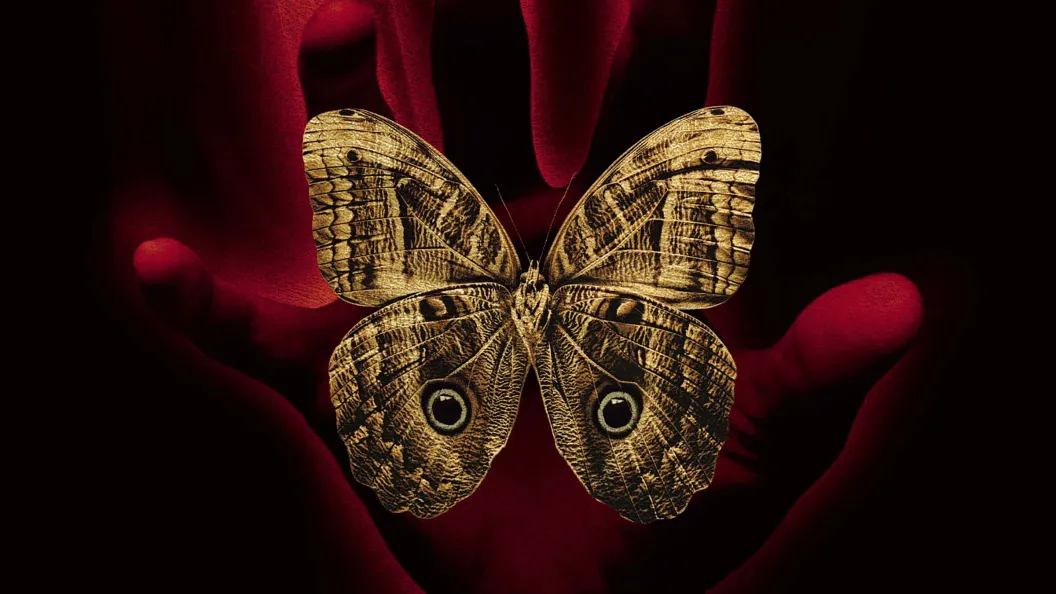
On September 2, 2005, the long-awaited film adaptation of Ray Bradbury’s iconic 1952 short story, A Sound of Thunder, hit theaters. Unfortunately, what should have been a celebration of literary and cinematic achievement turned into a disaster. The film was reported as both a significant financial loss and a disappointment to fans and critics alike, according to ComicBook.com.
The movie, starring Edward Burns, Catherine McCormack, and Ben Kingsley, tackled the theme of time tourism gone wrong, a concept both thrilling and cautionary in Bradbury's original narrative. The plot revolves around the unintended consequences of human interference with time, yet the film deviated dramatically from these themes, opting for a convoluted heist-like storyline. This shift in direction failed to resonate with audiences, many of whom anticipated a straightforward adaptation.
The path leading to the film’s release was fraught with problems. Initially set to be directed by Renny Harlin, A Sound of Thunder lost its original star, Pierce Brosnan, before production even began. Brosnan’s departure was followed by the introduction of new leadership under director Peter Hyams. However, the film's script, penned by Thomas Dean Donnelly and Joshua Oppenheimer, bore a history of poor reception, including the widely panned Sahara.
Production troubles worsened when Franchise Pictures, the film's production company, declared bankruptcy during post-production. This financial strain impacted the project’s budget and quality, leading to the controversial use of previsualization software, which further contributed to its poor visual effects.
Upon release, A Sound of Thunder garnered overwhelmingly negative reviews. Critics panned the film not just for its writing but for its execution as well. Elements like the nonsensical invention of "time waves" and an improbable transformation into a hybrid character drew ire. The film’s altered ending diverged from the chilling cautionary tale of the original story, reducing it to what many perceived as a fixable mistake.
Fans expecting a faithful adaptation were left dissatisfied, trailing behind a legacy of Bradbury’s storytelling brilliance instead of celebrating it. Viewers are encouraged to reflect on what went wrong in one of the most notable adaptations from literature to film.
For those curious enough to witness this cinematic failure, the film is currently available to stream on Prime Video with an additional subscription. This presents an opportunity for new viewers to engage with A Sound of Thunder, albeit with tempered expectations based on the film’s history and reception.
The tumultuous journey of A Sound of Thunder serves as a cautionary tale within the filmmaking process, particularly regarding adaptations of beloved literary works. As audiences look to the future, the significance of storytelling integrity in adaptations will likely remain at the forefront of discussions. While many fans hope for a more authentic retelling of Bradbury's classic, the lessons learned from this disaster reflect the challenges of transitioning literature to the silver screen.
Entertainment news
EpisodeBreakdown may use automated tools to assist research, drafting, and formatting. Published pages are governed by our editorial and corrections policies, and source links are shown when they are available in the article record.
Discovery source: ComicBook.com. The source identifies where the topic was discovered; EpisodeBreakdown is responsible for the commentary published on this page.
Reader response
Reactions and poll results are based on real reader responses. No account is required.