Exploring the True Story Behind By Any Means
This analysis delves deep into the real events that inspired 'By Any Means', exploring key themes, character motivations, and much more.
M. Night Shyamalan's The Village, released 22 years ago, remains polarizing due to its unexpected twist ending, stirring ongoing debate among fans.
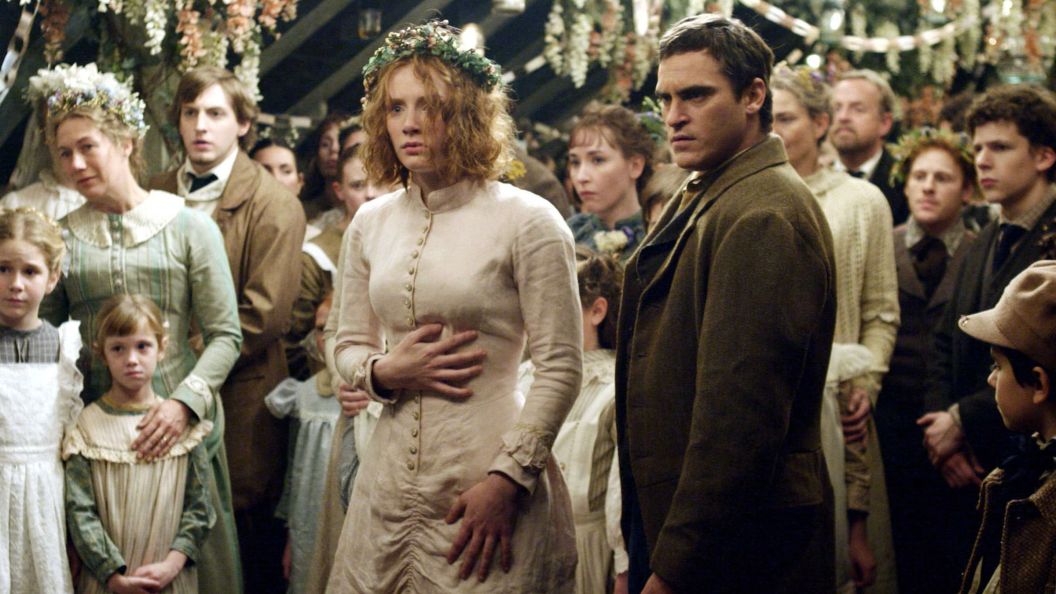
On July 30, 2026, ComicBook.com celebrated the 22nd anniversary of M. Night Shyamalan's psychological thriller, The Village, which has kept fans divided over its controversial twist ending. This announcement underlines how the film sparked intense discussion since its release on July 30, 2004.
In simple terms, The Village took viewers by surprise with a twist that redefined the narrative, moving it from a historical context to a contemporary setting. Despite its stellar cast, including three Oscar-winning actors—Joaquin Phoenix, Adrien Brody, and William Hurt—the film received mixed-to-poor reviews, indicating a significant divide in audience perceptions.
The Village stands as an important chapter in Shyamalan’s filmography, following his earlier successes with The Sixth Sense and Unbreakable. Initially lauded as a rising directorial talent, Shyamalan faced steep criticism for the film’s execution. Critics noted that while the atmosphere was tense and the performances strong, the twist ultimately let many viewers down, now viewing it as a pivotal moment in the director's career.
Upon its release, The Village earned a mere 43% on Rotten Tomatoes, with the audience score slightly higher at 57%. These ratings illustrate the growing discontent with Shyamalan's reliance on twists, overshadowing what might have been a compelling narrative. The film's twist revealed that the village was not set in the 19th century, as perceived, but was a modern-day encampment designed to shield its inhabitants from the complexities of the modern world.
The backlash against The Village marked the beginning of a downward spiral for Shyamalan. Many fans who once eagerly anticipated his films turned away after this release. Following The Village, Shyamalan struggled with projects like Lady in the Water and The Happening, which received even worse critical reception.
His attempt to return to form with The Visit in 2015 was seen as a much-needed rejuvenation. After a decade of disappointing works, this found footage horror effort recaptured the interest of some former supporters, although the shadow of The Village loomed large.
Two decades later, The Village remains a topic of debate among audiences who continue to dissect its ending. While some viewers defend the twist as a clever commentary on societal fears and the lengths to which communities will go to maintain control, others feel misled and betrayed. Discussion forums online frequently host analyses of the film, with many citing it as a key reason for their mixed feelings about Shyamalan's work.
Fans also compare The Village to Shyamalan's earlier successes, expressing nostalgia for the storytelling elements that once charmed them. This ongoing discourse signifies the film's enduring impact in the realm of psychological thrillers.
Several internal links highlight similar analyses, such as Analyzing the Psychological Depth in 'Nightborn' and Exploring Themes and Choices in 'Thorner': A Psychological Horror Analysis.
The continued division among fans regarding The Village reveals broader themes about expectations in psychological thrillers and the impact of twists on storytelling. As audiences have become increasingly discerning, the recurrence of such discussions highlights the film's role in shaping perceptions of M. Night Shyamalan's body of work. This film not only reflects evolving viewer tastes but also serves as a pivotal moment in the landscape of modern thrillers, impacting how twist endings are both crafted and received.
The debate may spark renewed interest in Shyamalan's legacy, emphasizing the relationship between filmmaker intentions and audience expectations—a dynamic that will remain relevant in film discourse for years to come.
Entertainment news
EpisodeBreakdown may use automated tools to assist research, drafting, and formatting. Published pages are governed by our editorial and corrections policies, and source links are shown when they are available in the article record.
Discovery source: ComicBook.com. The source identifies where the topic was discovered; EpisodeBreakdown is responsible for the commentary published on this page.
Reader response
Reactions and poll results are based on real reader responses. No account is required.
