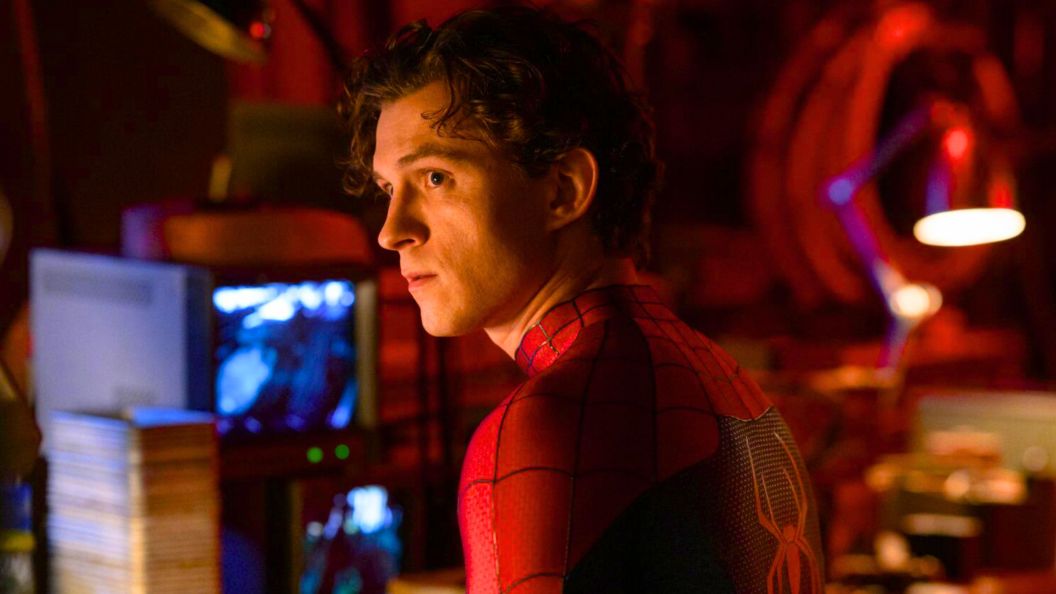
4 Actors Who Almost Played Spider-Man Before Tom Holland, & #1 Wound Up in the MCU Anyway
ComicBook.com reports four actors who nearly landed the Spider-Man role before Tom Holland, with one making a second MCU appearance in Ms. Marvel.
Wolverine first appeared as a third wheel in a battle between Hulk and Wendigo in The Incredible Hulk #181, with his next appearance cementing his future as one of the most popular superheroes ever. As a member of the X-Men, Wolverine became the star of what was the hottest book in comics.
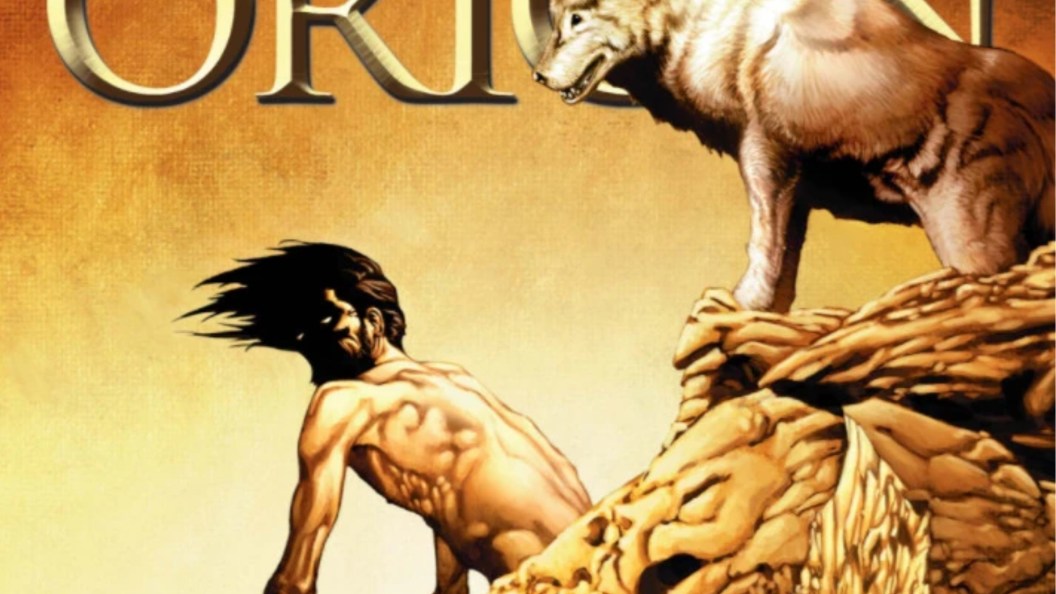
ComicBook.com reports that Marvel Comics officially revealed Wolverine’s full origin story in 2001, marking the 25th anniversary of the Origin miniseries. The announcement came during a strategic shift in Marvel’s editorial leadership when Joe Quesada became editor-in-chief in 2000. Quesada aimed to revitalize key franchises by delivering long-awaited stories, and Origin was his first major initiative to satisfy fan demand for Wolverine’s backstory.
The Origin series, a six-issue miniseries written by Paul Jenkins and illustrated by Andy Kubert, detailed Wolverine’s childhood as James Howlett—a sickly Canadian boy raised by a troubled family. His mother had mental health struggles, his grandfather bullied his father, and the groundskeeper, Thomas Logan, drank excessively and became overly familiar with Mrs. Howlett. This environment led to Thomas Logan’s decision to kill James and his father, with James and his nursemaid Rose fleeing into the wilderness after a berserker rage. The story culminated in Rose’s death and James becoming a feral survivor.
For decades, Wolverine’s past remained intentionally vague. His first appearance in The Incredible Hulk #181 (1982) positioned him as a minor character in a Hulk vs. Wendigo battle, but his next appearance cemented his status as a fan favorite. By the 1980s, Marvel had slowly revealed fragments of his history—his time with Weapon X, Cold War adventures with Nick Fury, and battles in World War I and II—but the full origin remained a mystery. This secrecy was intentional, as Marvel even introduced the concept of 'memory implants' during the Weapon X era to justify why certain past events could be erased.
The Origin series resolved this mystery by tracing Wolverine’s childhood to a logging camp in Canada, where he fell in love with Rose while she pursued someone else. The series’ art style, featuring Andy Kubert’s painterly illustrations and Richard Isanove’s color work, was praised for its visual impact. Sales were strong, with the series becoming one of Marvel’s most successful launches under Quesada’s leadership.
The Origin series’ 25th anniversary highlights a pivotal moment in Marvel’s history. While the series was a commercial success, it has not generated lasting fan engagement or major storylines. Marvel has since released Wolverine: The End (2005), Origin II (2007), and Wolverine: Origins (2022)—all of which have been described as superficial extensions of the original story. The Origin series’ impact remains limited, with few stories directly building on its themes. For example, Elizabeth Howlett’s brief return in Mastermind (2023) was criticized for being unengaging, and Wolverine’s post-Origin adventures have largely avoided deep exploration of his childhood.
Quesada’s decision to reveal Wolverine’s origin was part of a broader editorial strategy to revive Marvel’s flagship franchises. By collaborating with writers like Grant Morrison and Joe Casey, Marvel aimed to create a new generation of comics that resonated with modern readers. However, the Origin series’ legacy is mixed: it successfully resolved a long-standing mystery but failed to inspire a sustained narrative evolution. Marvel’s reluctance to build on the story has led to criticism that the series was a 'Hail Mary pass'—a one-off event with minimal long-term impact.
The Origin series remains a critical turning point in Wolverine’s history, but its influence has been overshadowed by later stories. As ComicBook.com notes, Marvel’s decision to prioritize fan demand over long-term storytelling has left the series as a 'part of Wolverine history' rather than a catalyst for innovation. This duality—of being both a milestone and a missed opportunity—defines the 25-year anniversary of Origin.
Entertainment news
EpisodeBreakdown may use automated tools to assist research, drafting, and formatting. Published pages are governed by our editorial and corrections policies, and source links are shown when they are available in the article record.
Discovery source: ComicBook.com. The source identifies where the topic was discovered; EpisodeBreakdown is responsible for the commentary published on this page.
Reader response
Reactions and poll results are based on real reader responses. No account is required.