movies
Spider Man
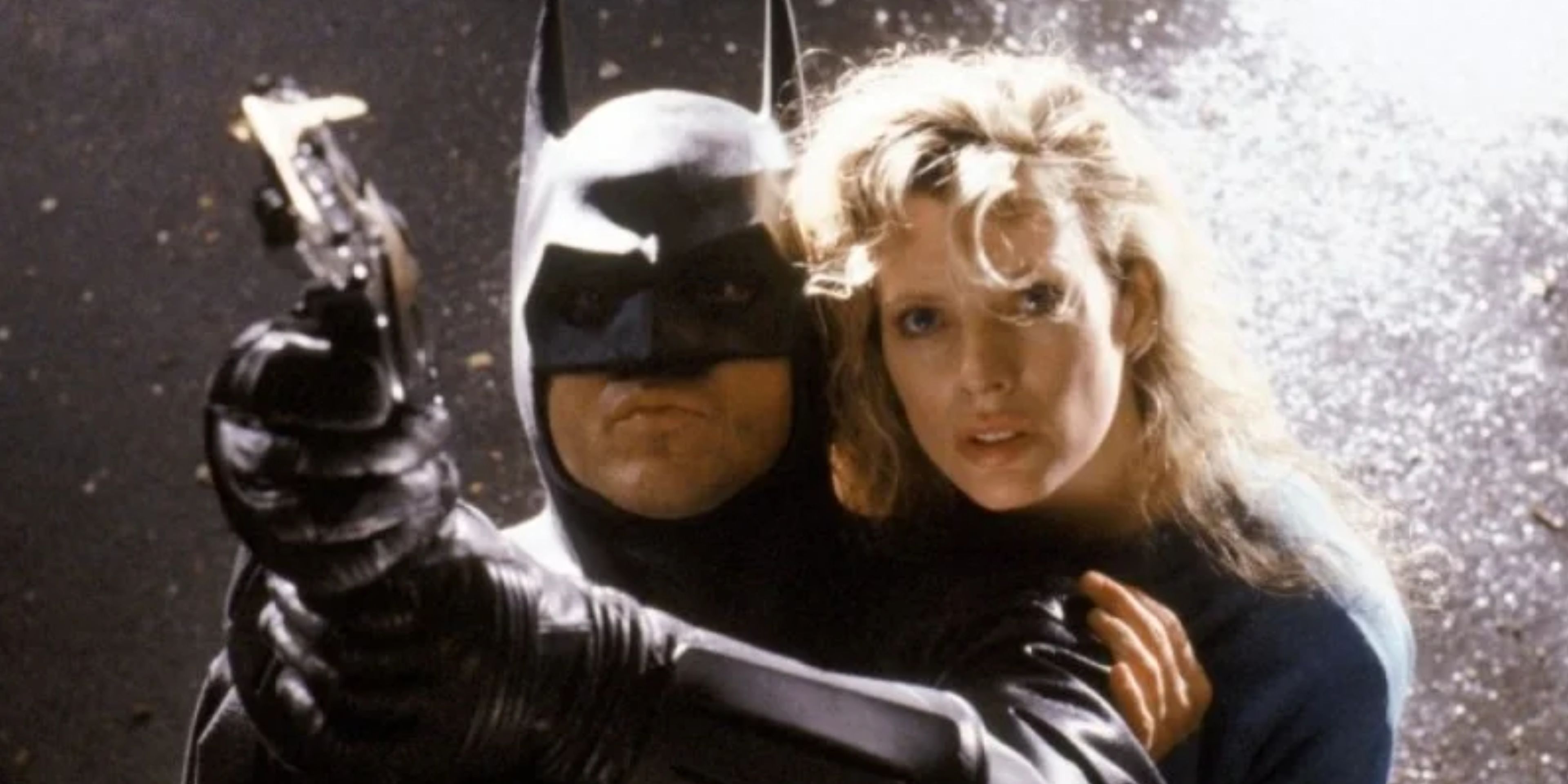
Explore how a pivotal moment 38 years ago redefined DC Comics history, forever altering the narrative landscape for Batman and his foes.
Explore the franchise
In the world of comics, few moments resonate as deeply as those that transform not just a character but an entire universe. For DC Comics, one such moment occurred 38 years ago, changing the lore forever with a shocking development that would influence stories for decades. This article dives into the background, the characters involved, and why this moment still captivates fans today.
A now-iconic moment from the comic book realm redefined the nature of Batman, his relationships, and the darker tones of storytelling in DC Comics. This pivotal event marked a significant shift, exploring the consequences of violence and trauma within the superhero genre.
Before this monumental moment, DC Comics had primarily shaped its heroes through a more traditional lens, with clear distinctions between good and evil. The tales often focused on adventure, courage, and the triumph of right over wrong. However, the introduction of a more complex narrative took root, challenging readers to grapple with the emotional weight of loss and the moral ambiguities faced by the characters.
The groundwork for this radical change was laid with the launch of the graphic novel titled The Killing Joke, which was published in 1988. This comic presented an origin story for one of Batman’s most formidable adversaries—The Joker—while also delving into the psyche of both the Clown Prince of Crime and the Dark Knight himself. It framed a polarizing narrative, particularly around the fate of Barbara Gordon, who suffered significant consequences that altered her role within the DC universe.
Ultimately, this moment was not just about the characters but reflected a shift in audience expectations regarding superhero tales, opening the door for deeper and darker storytelling that still informs narratives today.
Batman/Bruce Wayne: As the protector of Gotham City, Batman's character often walks the line between heroism and the moral implications of his crusade against crime. In The Killing Joke, his relationship with The Joker is explored in haunting ways that raise questions about his methods and the lengths he is willing to go to protect his city.
The Joker: Perhaps one of the most compelling and tragic figures in comic history, The Joker embodies chaos and unpredictability. In this pivotal moment, he becomes not just a villain but a significant catalyst for change within Batman’s life and tenure as a hero. His actions force both Batman and the readers to confront the darker aspects of their universe.
Barbara Gordon: Known as Batgirl, Barbara's character becomes a significant focus in this story arc. The attack she endures not only shapes her destiny but also serves as a dramatic illustration of the female experience in superhero narratives, bringing attention to the themes of victimhood, resilience, and empowerment in subsequent storylines.
While the original comic The Killing Joke delivered a hard-hitting narrative, the ending leaves room for interpretation. The final scenes feature Batman confronting The Joker, leaving readers to ponder the outcome of their eternally complex relationship. Is the ending a metaphor for the cyclical nature of violence and vengeance, or does it signify hope and understanding?
This ambiguity has become part of the legacy of the story, allowing for various analyses and dimensions of understanding, and prompting discussions among fans and creators alike.
As the DC Universe continues to evolve, the implications of this 38-year-old moment remain relevant. Future story arcs may delve deeper into the consequences of trauma on heroes and villains alike. As newer generations enter the fandom, we can expect more nuanced takes on older characters, alongside brand-new takes on iconic stories, driven by the complexity of human experiences.
Furthermore, adaptations in various media forms—be it film, television, or animation—keep the discussions about the originality and impact of the thematic elements in The Killing Joke alive. Such adaptations may introduce fresh perspectives, inviting audiences to explore the philosophical questions at the heart of Batman's saga.
The enduring popularity of this moment stems from its continued relevance in pop culture. Recent discussions about mental health, violence, and the deterioration of societal norms resonate with contemporary audiences. DC’s ability to weave complex emotional narratives into its storytelling compels fans to examine not only the characters but also their motivations and moral dilemmas.
Additionally, nostalgia plays a significant role. Celebrations of comic anniversaries, special editions, and debates surrounding the impact of this infamous issue have sparked renewed interest. Fans old and new are revisiting the material, sharing perspectives across social media platforms and analysis forums.
Despite the passage of time, the dramatic moment that altered DC lore 38 years ago remains significant. It serves as a powerful reminder of the complexities inherent in storytelling and the compelling nature of character arcs that challenge moral boundaries. As we reflect on this moment, it’s clear that the narratives forged within the pages of comics have the ability to impact readers profoundly, prompting us to confront the nuances of good and evil.
As DC continues to innovate and expand its universe, the legacy shaped by The Killing Joke will undoubtedly influence forthcoming stories. Whether through comics, films, or other media, fans will always return to this pivotal moment in DC Comics history as a touchstone of transformation, complexity, and emotional depth.
Entertainment news
EpisodeBreakdown may use automated tools to assist research, drafting, and formatting. Published pages are governed by our editorial and corrections policies, and source links are shown when they are available in the article record.
Discovery source: ScreenRant. The source identifies where the topic was discovered; EpisodeBreakdown is responsible for the commentary published on this page.
Reader response
Reactions and poll results are based on real reader responses. No account is required.
Tom Holland expressed his discontent with an early cut of 'Spider-Man: Brand New Day,' saying, 'It totally didn't work.'