If you were born in the mid-1980s, your cartoon memory starts around 1990. Ninja Turtles, Batman: The Animated Series, X-Men, Animaniacs, the whole run of shows that turned out to be the last great era of American kids’ television before cable fragmented it were big deals. What you missed, by three or four years, is the stranger stretch that came immediately before, when the format was being invented in real time and nobody had worked out the rules yet.
ComicBook.com Reveals Four Forgotten 1980s Cartoons That Define Early Animation
ComicBook.com has identified four Saturday morning cartoons from the 1980s that were overlooked by Generation X but remain essential viewing for modern audiences. The list focuses on shows that aired between 1980 and 1985, a period when American children’s television was still experimenting with storytelling rules and formats. Unlike later shows that thrived on toy lines and syndication deals, these four series ended without lasting commercial follow-ups, yet they offer unique creative risks that define the era.
The publication emphasizes that these shows were canceled or discontinued without a clear path to revival, often due to trademark disputes or creative disagreements. This contrasts with the more polished shows of the 1990s, which benefited from established toy lines and cable networks that prioritized consistent branding.
Robotech: The Only Show Requiring Subscription Access
Robotech, which premiered in 1980, is the only show on ComicBook.com’s list that requires a subscription to stream. The series, produced by Carl Macek, stitched together three unrelated Japanese anime series into a single 85-episode narrative with a war that had actual casualties and character deaths. Its most notable moment, the episode 'Farewell, Big Brother,' features a character bleeding to death after a seemingly victorious battle—a rarity in children’s programming at the time.
The show’s unique storytelling approach influenced later anime, including Akira, and it remains accessible on Crunchyroll. ComicBook.com notes that while Toonami aired the first 60 episodes starting in 1998, the full series was not widely available until recently.
Mighty Orbots: A Rare Case of a Completed Ending
Mighty Orbots, directed by Osamu Dezaki (known for Ashita no Joe and Golgo 13), aired for 13 episodes on ABC in 1984. The show was canceled due to a trademark dispute with Tonka, the toy company behind GoBots. Unlike most Saturday morning cartoons, which were canceled without a proper ending, Mighty Orbots concluded its story with the villain’s complete destruction.
The series remained unreleased in home video until 2018, but its creative pedigree—featuring directors from the golden age of Japanese animation—makes it a standout in the list. ComicBook.com highlights that Dezaki’s work on this show was a rare example of a Japanese animator adapting his style to American audiences.
Thundarr the Barbarian: A Post-Apocalyptic Vision
Thundarr the Barbarian, created by Steve Gerber (writer of Howard the Duck), features a team of characters from the 1980s who navigate a post-apocalyptic world 2,000 years after a planet’s destruction. The show’s production team included legendary comic book creators like Jack Kirby and Alex Toth, who contributed to the design of characters and villains.
The series ran for 21 episodes before being canceled in 1981, but its pilot episode, 'Secret of the Black Pearl,' is now available on Tubi. ComicBook.com notes that Thundarr’s post-apocalyptic themes directly influenced the development of He-Man, a show that aired three years later.
Dungeons & Dragons: A Show That Never Got a Final Episode
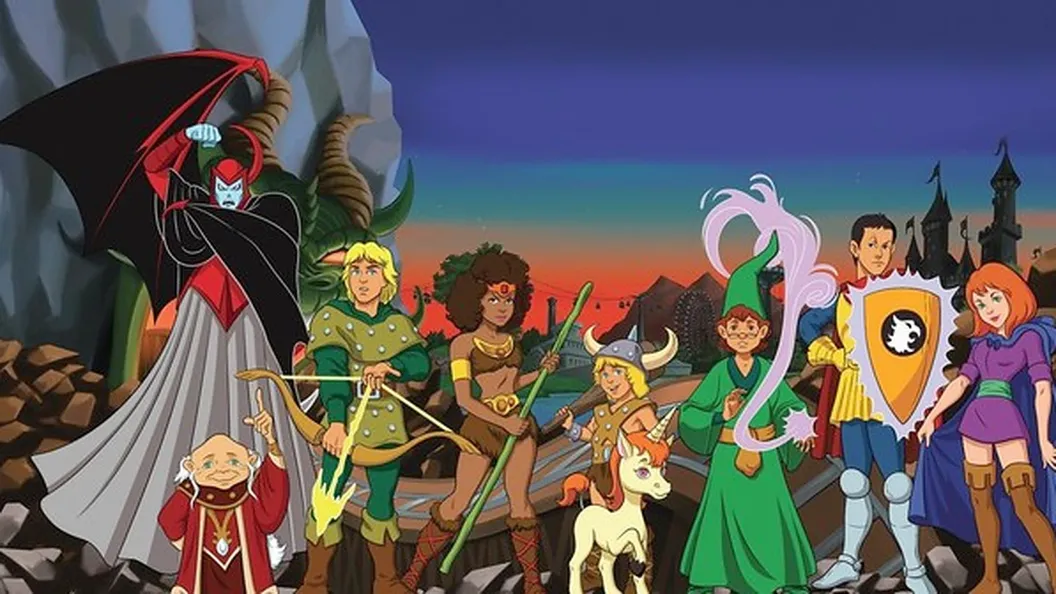
Dungeons & Dragons, which aired on CBS from 1985 to 1986, follows six children who are transported into a fantasy world through a theme park ride. The show’s unique strength lies in its serious approach to storytelling, where death is a real possibility and the characters are capable of making meaningful decisions.
The series was canceled after its third season, and its creator, Gary Gygax, consulted on the show. A planned finale, 'Requiem,' was never animated but was later adapted into an audio drama and fan-made animation in 2020. ComicBook.com states that the show’s ending remains unresolved, a detail that has not been addressed in official releases.
Why These Shows Matter Today
These four cartoons represent a critical period in animation history when creators were experimenting with storytelling without the constraints of commercial expectations. Unlike the more polished shows of the 1990s, which relied on toy lines and syndication deals, these series ended without a clear path to revival, yet they offer creative risks that remain relevant today.
The list highlights how the lack of a toy line or syndication deal led to the shows’ disappearance, but their creative merit has ensured their relevance in modern streaming services. ComicBook.com notes that all four shows are free to stream on platforms like Tubi or Crunchyroll, making them accessible to audiences who missed them as children.
ComicBook.com Reveals Four Forgotten 1980s Cartoons That Define Early AnimationRobotech: The Only Show Requiring Subscription AccessMighty Orbots: A Rare Case of a Completed EndingThundarr the Barbarian: A Post-Apocalyptic Vision
EpisodeBreakdown may use automated tools to assist research, drafting, and formatting. Published pages are governed by our editorial and corrections policies, and source links are shown when they are available in the article record.
Discovery source:ComicBook.com. The source identifies where the topic was discovered; EpisodeBreakdown is responsible for the commentary published on this page.
Reader response
What did you think?
Be the first to react
Reactions and poll results are based on real reader responses. No account is required.
Continue the story
news
Dungeon Crawler Carl Gets Free Limited-Edition Comic at NYCC via CGC Grading Service
Comic book fans can get a free Dungeon Crawler Carl #0 variant at New York Comic Con (NYCC) from October 8-11, but only if they submit eligible collectibles to CGC for grading. The limited edition, featuring artwork by Doug Mahnke, adapts the webcomic series and is part of a promotional tie-in with CGC's NYCC booth services.Read next →