ComicBook.com reports that Marvel's 2004 event series Secret War, written by Brian Michael Bendis, decisively outperformed DC's Identity Crisis in long-term impact despite initial sales differences.
Marvel's Secret War Outperformed DC's Identity Crisis in Long-Term Impact
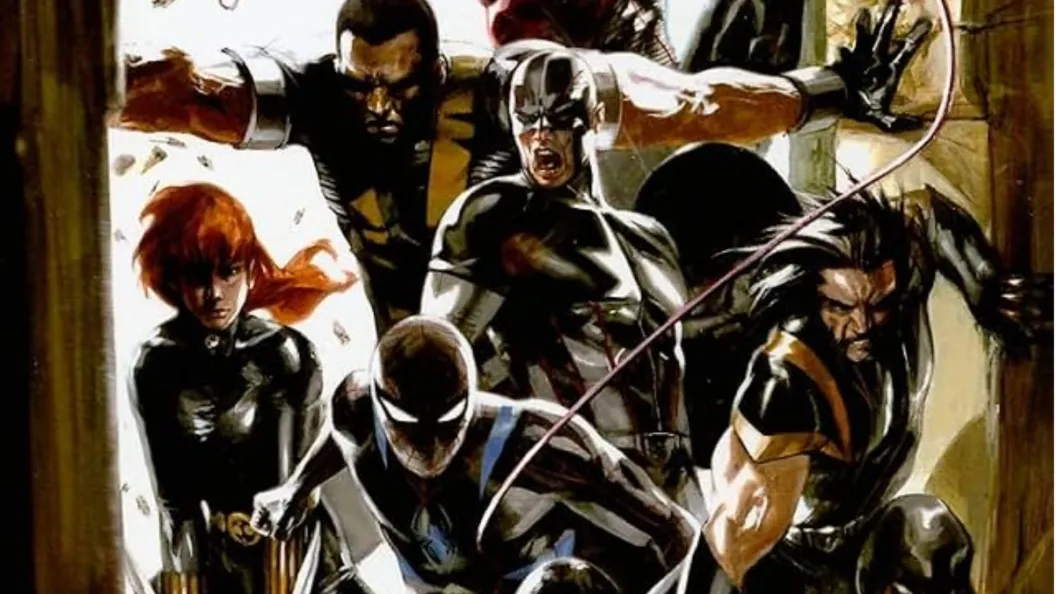
ComicBook.com has confirmed that Marvel's 2004 event series Secret War, written by Brian Michael Bendis and illustrated by Gabriele dell'Otto, decisively outperformed DC's Identity Crisis in long-term impact over the past two decades. The analysis, published on September 20, 2026, traces the competitive rivalry between Marvel and DC Comics to 2004, when both publishers released major summer event comics that reshaped their respective universes.
The report highlights that while Identity Crisis—a seven-issue DC series by Brad Meltzer and Rags Morales—was initially celebrated for its timely release and controversial plot involving the murder of Justice League member Sue Dibney, Secret War ultimately delivered greater long-term consequences for Marvel. Bendis's series introduced Maria Hill as Nick Fury's successor at SHIELD, revitalized Marvel's tech-focused villains, and set the stage for a decade-long narrative arc spanning New Avengers, House of M, Mighty Avengers, Secret Invasion, Dark Avengers, and Siege.
The 2004 Summer Event Comics: A Turning Point
The summer of 2004 marked a pivotal moment in comic book history when Marvel and DC simultaneously revived their event series tradition after a decade of decline. In the 1990s, summer events had largely become crossover-heavy initiatives like Marvel's Onslaught (1996) or DC's Infinity Gauntlet series, but the early 2000s saw both publishers return to standalone event comics with Secret War and Identity Crisis.
Marvel's Secret War was delayed by months and criticized for its slow pacing, leading to reader frustration. DC's Identity Crisis, by contrast, was released on schedule and became a cultural phenomenon, sparking debates about its handling of female characters and its role in DC's Infinite Crisis storyline. However, the report emphasizes that Secret War’s long-term influence on Marvel's creative direction far exceeded Identity Crisis's impact.
Why Marvel Won the 2004 Competition
The analysis attributes Marvel's victory to the sustained success of Bendis's narrative arc. From 2004 to 2010, Marvel's Avengers series and event comics under Bendis became the industry's top-selling titles, propelling Marvel to the forefront of the comic book market. This period of dominance was critical for Marvel's recovery after the turbulent 1990s, when the publisher had struggled with creative direction and declining sales.
In contrast, Identity Crisis has since been widely criticized for its treatment of women and its narrative choices, with modern fans largely rejecting it as a flawed entry in DC's history. The report notes that while Identity Crisis was initially praised for its maturity, its legacy has been overshadowed by Secret War's enduring influence on Marvel's storytelling.
The Role of Industry Context in the 2004 Competition
The report also contextualizes the 2004 competition within broader industry trends. Marvel's Ultimate Universe initiative, launched in the early 2000s, helped the publisher attract a new generation of creators and readers. Meanwhile, DC had been rebuilding its creative team after the 1990s, with Marvel's strategy of hiring independent writers like Bendis, Greg Rucka, and Gail Simone proving more effective.
Marvel Editor in Chief Joe Quesada played a key role in fostering the competitive spirit between the two publishers, believing that the rivalry would drive innovation and reader engagement. Wizard Magazine, a prominent industry publication, helped amplify the event by featuring Secret War and Identity Crisis as its top anticipated releases in its 2004 preview issue.
Why This Matters for Comic Book Fans Today
For modern readers, the 2004 competition remains significant because it illustrates how a single event series can reshape an entire publisher's creative trajectory. Marvel's Secret War not only set the stage for a decade of influential stories but also demonstrated the power of long-term narrative planning over short-term event success.
The report concludes that while Identity Crisis was initially a commercial success, Secret War’s legacy as a catalyst for Marvel's creative resurgence makes it the definitive winner of the 2004 competition. This historical analysis provides context for current debates about Marvel and DC's competitive relationship and highlights the lasting impact of early 2000s comic book events.
Marvel's Secret War Outperformed DC's Identity Crisis in Long-Term ImpactThe 2004 Summer Event Comics: A Turning PointWhy Marvel Won the 2004 CompetitionThe Role of Industry Context in the 2004 Competition
EpisodeBreakdown may use automated tools to assist research, drafting, and formatting. Published pages are governed by our editorial and corrections policies, and source links are shown when they are available in the article record.
Discovery source:ComicBook.com. The source identifies where the topic was discovered; EpisodeBreakdown is responsible for the commentary published on this page.
Reader response
What did you think?
Be the first to react
Reactions and poll results are based on real reader responses. No account is required.
Continue the story
news
Near-Mint, First-Ever She-Ra Action Figure Makes Rare Auction Appearance
A Heritage Auctions sale features an 80 Near Mint She-Ra action figure from 1985, one of just fifteen in this condition. The figure, graded by Action Figure Authority, has reached $999 in bidding.Read next →