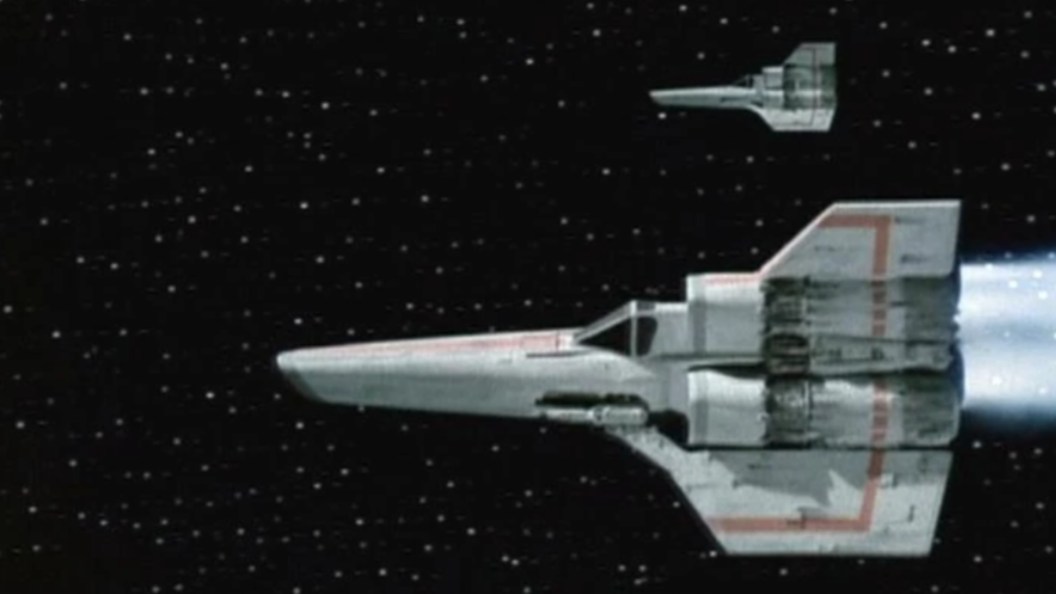
48 years ago, Battlestar Galactica premiered on ABC, becoming the first sci-fi series to face a copyright lawsuit from Star Wars. The 1978 show was sued by Lucasfilm for copying its narrative structure and visual aesthetics, but Universal countered with claims of inspiration from earlier sci-fi projects.
Battlestar Galactica’s 1978 Premiere and Immediate Legal Challenge
On September 17, 1978, Battlestar Galactica made its U.S. television debut on ABC, becoming the first sci-fi series to face a copyright lawsuit from Star Wars. Created by Glen A. Larson, the show followed a fleet of human survivors searching for Earth after robots called Cylons destroyed their homeworlds. The three-hour premiere, estimated to cost between $7 and $8 million, drew an audience of 65 million viewers. The broadcast was interrupted by the signing of the Camp David Accords but resumed after the ceremony ended.
The Copyright Lawsuit: 34 Similarities and a Legal Battle
In June 1978, 20th Century Fox and Lucasfilm filed a lawsuit against Universal, alleging that Battlestar Galactica infringed on Star Wars’ copyright. The suit detailed 34 similarities, including the show’s original working title, Star Worlds, and claims that it copied Lucas’ servant droids and a rebel fleet fighting a totalitarian regime. The lawsuit was declared The Battle of the Galaxies by Hollywood trades.
Universal countersued, arguing that Star Wars borrowed heavily from earlier science-fiction projects. The company cited its 1972 film Silent Running—which John Dykstra also worked on—as inspiration for Star Wars’ droids. Universal also claimed ownership of the Buck Rogers serials, a known influence on Lucas’ script. A judge initially dismissed the copyright claims but an appeals court revived them in 1983, after the show had ended.
The Dykstra-Lucas Conflict Over Visual Effects
Separate from the copyright dispute, George Lucas had a personal conflict with John Dykstra, the visual effects supervisor who helped create Star Wars. After Star Wars wrapped, Dykstra and members of the Industrial Light & Magic (ILM) team formed Apogee. When they began working on Battlestar Galactica using the same equipment Dykstra had developed for Star Wars, Lucas objected, claiming the tools were ILM property. The equipment was returned, and Lucas rebuilt his team to work on The Empire Strikes Back, leaving Dykstra without a role.
Battlestar Galactica’s Unique Identity and Legacy
Despite the lawsuit, Battlestar Galactica had its own identity. Released on the heels of the Vietnam War, the show explored themes of displacement and survival, with deep lore involving the Cylons and twelve colonies rooted in Larson’s religious experiences. The series maintained a family-friendly tone, featuring a pet robot dog named Muffit—played by a chimpanzee in a suit. The show later returned in 2003 with a darker reboot by Ronald D. Moore, which reimagined its story as a complex fable about humanity and its legacy.
The Long-Term Impact on Sci-Fi Production
The dispute over Battlestar Galactica tried to determine who could make a space opera. While Lucas and Dykstra never publicly reconciled, Dykstra’s contributions to Star Wars have gained greater recognition over time. The Disney+ documentary Light & Magic features both men discussing their disagreements, and Lucasfilm preserved the name of the Dykstraflex camera system in its archives.
The legal battle highlighted the early challenges of copyright in sci-fi storytelling. Universal and Fox eventually settled the matter out of court, but the case remains a pivotal moment in Hollywood history. As the Star Wars franchise expanded, the dispute underscored how closely related early sci-fi projects were, even as they evolved into distinct universes.
Battlestar Galactica’s 1978 Premiere and Immediate Legal ChallengeThe Copyright Lawsuit: 34 Similarities and a Legal BattleThe Dykstra-Lucas Conflict Over Visual EffectsBattlestar Galactica’s Unique Identity and Legacy
EpisodeBreakdown may use automated tools to assist research, drafting, and formatting. Published pages are governed by our editorial and corrections policies, and source links are shown when they are available in the article record.
Discovery source:ComicBook.com. The source identifies where the topic was discovered; EpisodeBreakdown is responsible for the commentary published on this page.
Reader response
What did you think?
Be the first to react
Reactions and poll results are based on real reader responses. No account is required.
Continue the story
news
Captain America, Iron Man, and Thor Don’t Define the Avengers, These 5 Heroes Do
ComicBook.com reports that while Captain America, Iron Man, and Thor are often considered the core Avengers, the team’s true identity is defined by five key members who have shaped its legacy.Read next →