Marvel Comics’ Heroes for Hire: The 1977 Origin Story
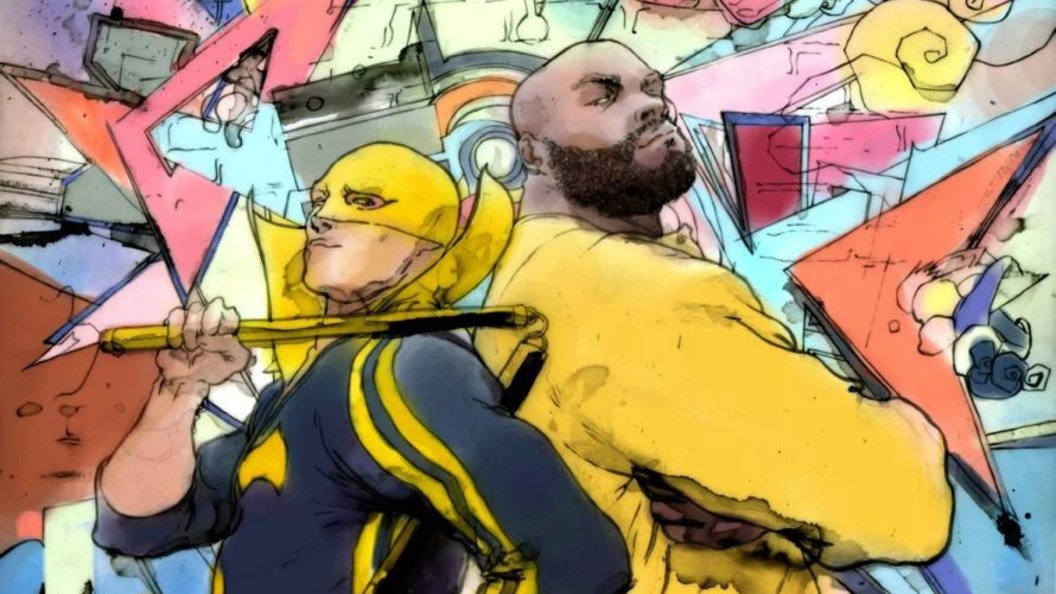
ComicBook.com reported today that Marvel Comics created one of its most enduring superhero businesses in 1977 when Luke Cage and Iron Fist formed Heroes for Hire. The business debuted in Power Man and Iron Fist #54, a comic book issue published by Marvel Comics on September 18, 1977. This was the first time the duo—both street-level heroes with solo series in danger of cancellation—team up to monetize their heroics through a legitimate business model.
The initiative emerged after Marvel Comics merged Luke Cage’s Power Man (49 issues) and Iron Fist’s Marvel Premiere (15 issues) into Power Man and Iron Fist #50. This retitled series revitalized both characters, leading to their collaboration in Power Man and Iron Fist #54. In that issue, Luke Cage expressed frustration about not earning money despite having a 'Hero for Hire' business card. Jeryn Hogarth, a lawyer and businessman who was an old friend of Iron Fist’s father, stepped in to help structure the business.
The Business Model and Ethical Framework
Heroes for Hire operated with a clear ethical framework. The duo continued to assist street-level communities for free but generated revenue by securing contracts with corporations, protecting ancient artifacts, and tracking down corporate villains. They maintained a strict policy against extralegal activities, ensuring clients were 'on the up and up.' The business also included secretary Jennie Royce and Jeryn Hogarth as their business representative. They collaborated with Nightwing Restorations, a private investigator agency co-founded by Colleen Wing and Misty Knight.
The business model was designed to be sustainable and ethical, reflecting the era’s focus on superhero accountability. Unlike later iterations, this original Heroes for Hire team was not tied to a larger conflict or villainous plot but rather a practical solution to the duo’s financial struggles.
Heroes for Hire’s Evolution Through the Decades
The business model evolved multiple times across Marvel’s history. In 2006, during the Civil War storyline, Heroes for Hire reformed as enforcers for the Superhuman Registration Act. This team included Colleen Wing, Misty Knight, Tarantula, Shang-Chi, and others. However, Luke Cage was on the anti-registration side and had no involvement in this iteration.
By 2010, Heroes for Hire returned under a mind-controlled leadership from Misty Knight, who used rotating members like Ghost Rider and Iron Fist. After the mind control ended, Misty Knight rebuilt the team to earn respect within the superhero community. Meanwhile, Luke Cage and Iron Fist reunited, with Cage allowing Victor Alvarez to use the Power Man name. This new iteration included Ava Ayala as the White Tiger.
In a controversial moment, Deadpool attempted to launch his own Heroes for Hire team but was quickly shut down by Luke Cage via a cease-and-desist letter, claiming he held the rights to the name. The original team eventually reunited with a new headquarters in Harlem, but the business ended when Danny Rand gave up Iron Fist and Luke Cage won a mayoral race in New York City, making superhero activity illegal for him.
Why This History Matters Today
The 1977 creation of Heroes for Hire remains significant because it established a blueprint for superhero businesses that prioritized ethical engagement with society. Unlike later iterations, this original team focused on community service and corporate contracts without extralegal activities. The business model also reflected Marvel’s early efforts to balance superhero storytelling with real-world economic concerns.
This history is particularly relevant today as Marvel continues to explore superhero businesses in The Marvels and Spider-Man: Beyond. The 1977 Heroes for Hire team’s legacy demonstrates how street-level heroes can create sustainable, ethical business models that resonate with modern audiences.
The Legacy of Heroes for Hire
Heroes for Hire’s legacy extends beyond comics. The business model influenced Marvel’s later projects, including The Marvels (2023) and Spider-Man: Beyond (2024). The team’s emphasis on ethical business practices and community engagement remains a touchstone for Marvel’s storytelling, proving that superhero businesses can be both profitable and socially responsible.
The 1977 origin of Heroes for Hire highlights Marvel’s early innovation in superhero storytelling. By creating a business model that prioritized ethical engagement, Marvel set the stage for future iterations of Heroes for Hire that would continue to evolve while staying true to their core values.
Marvel Comics’ Heroes for Hire: The 1977 Origin StoryThe Business Model and Ethical FrameworkHeroes for Hire’s Evolution Through the DecadesWhy This History Matters Today
EpisodeBreakdown may use automated tools to assist research, drafting, and formatting. Published pages are governed by our editorial and corrections policies, and source links are shown when they are available in the article record.
Discovery source:ComicBook.com. The source identifies where the topic was discovered; EpisodeBreakdown is responsible for the commentary published on this page.
Reader response
What did you think?
Be the first to react
Reactions and poll results are based on real reader responses. No account is required.
Continue the story
news
Captain America, Iron Man, and Thor Don’t Define the Avengers, These 5 Heroes Do
ComicBook.com reports that while Captain America, Iron Man, and Thor are often considered the core Avengers, the team’s true identity is defined by five key members who have shaped its legacy.Read next →