test
asdasd
The Cold War era defined the spy genre for a century, and television explored the audience's love of espionage.
The Cold War was a defining period in world history, characterized by tension between Western and Eastern powers. This era produced numerous television shows that captivated audiences with themes of espionage and intrigue. Below, we explore five of the best Cold War spy shows that shaped the genre.
Launching in 1966, Mission: Impossible introduced viewers to the Impossible Mission Force (IMF), a secret agency dedicated to protecting the U.S. under the leadership of characters like Dan Briggs and Jim Phelps. The series is renowned for its intricate plots, high-stakes missions, and gripping action, making each episode feel like a mini James Bond film. Its iconic theme and world-building set a high standard in action and thriller programming, having a lasting influence on the genre.
Get Smart, also debuting in 1966, took a humorous approach to the spy genre. It follows Maxwell Smart, an inept secret agent working for CONTROL, as he tackles the enemy agency KAOS. Through slapstick humor and witty satire, the show critiqued the paranoia of the Cold War. Smart's lovable clumsiness often leads to victory by pure chance, making it a defining work of spy parody that influenced subsequent comedic narratives.
The Prisoner offers a unique look at espionage, following Number Six, a former British intelligence operative who finds himself trapped in a mysterious village controlled by an unseen authority. The show dives into themes of surveillance and conformity, highlighting the tension between individualism and collectivism during the Cold War. Unlike traditional spy narratives, it emphasizes psychological depth and critique of authoritarianism, making it a standout series in television history.
Adapted from John le Carré's novel, Tinker Tailor Soldier Spy portrays a more grounded perspective on espionage. The miniseries follows George Smiley, a British intelligence officer, as he seeks to uncover a mole within his agency. It is marked by nuanced character development and realism, deviating from sensationalism to provide an intricate look at the intelligence community. This series challenges viewers to appreciate the complexities of spycraft, emphasizing the importance of trust and betrayal.
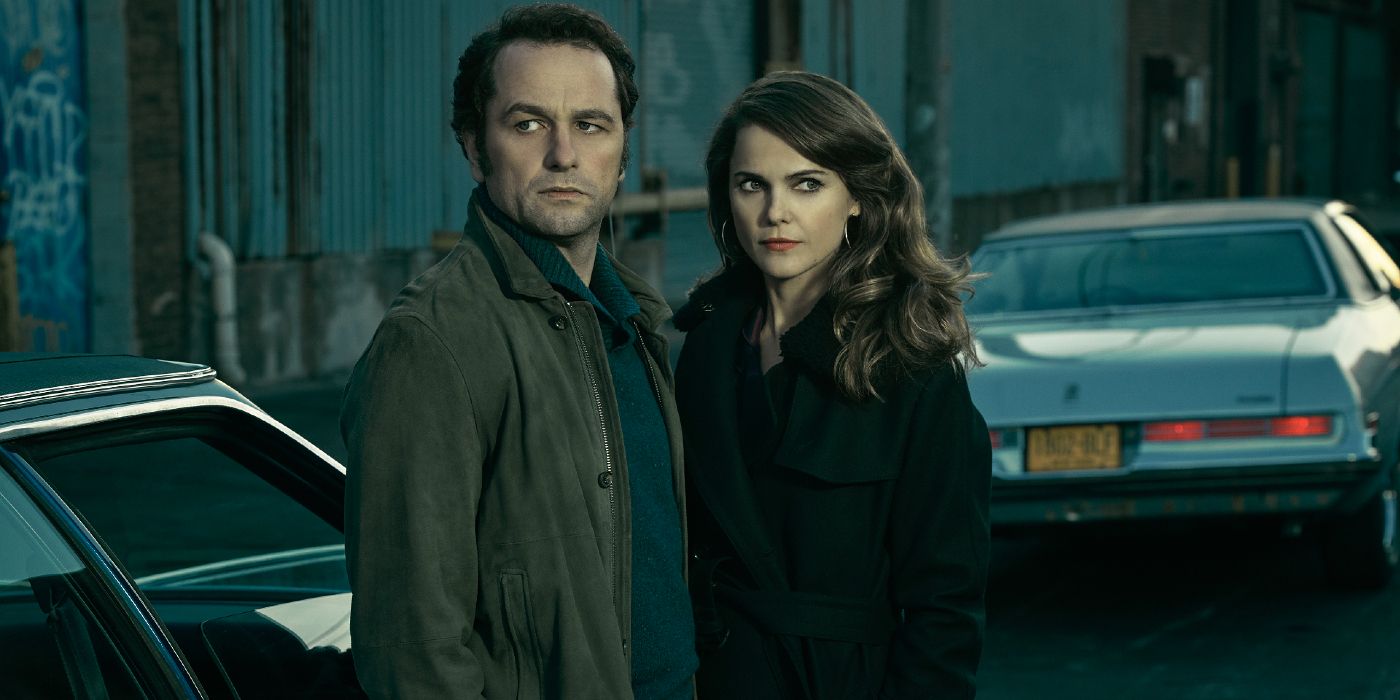
Set in the 1980s, The Americans follows Soviet spies Philip and Elizabeth Jennings, who pose as an American family while conducting undercover operations. The series intricately weaves personal and political narratives, examining the psychological toll of living a double life. Its authentic portrayal of 1980s America, coupled with a suspenseful family drama, offers a compelling reflection on loyalty and identity during the Cold War. The series resonates with viewers, providing a multi-dimensional view of espionage and relationships.
The legacy of Cold War spy shows continues to shape modern television, influencing new series and offering insights into historic tensions. These shows not only entertained but also reflected societal fears, reminding audiences of the storytelling potential that arises from the interplay of personal narratives and larger political conflicts.
For more insights into the espionage genre, check out our guides on the 25 Funniest TV Shows of All Time and the 10 Best TV Episodes of 2026.
The exploration of Cold War spy shows reveals the complex interplay of personal and political narratives within the genre, emphasizing the relevance and impact of these stories today.
Story breakdown
EpisodeBreakdown may use automated tools to assist research, drafting, and formatting. Published pages are governed by our editorial and corrections policies, and source links are shown when they are available in the article record.
Discovery source: CBR TV. The source identifies where the topic was discovered; EpisodeBreakdown is responsible for the commentary published on this page.
Reader response
Reactions and poll results are based on real reader responses. No account is required.