test
asdasd
Explore how Netflix's 'A Series of Unfortunate Events' captivates viewers with its effective pacing, drawing them into the mystery from the first scene.
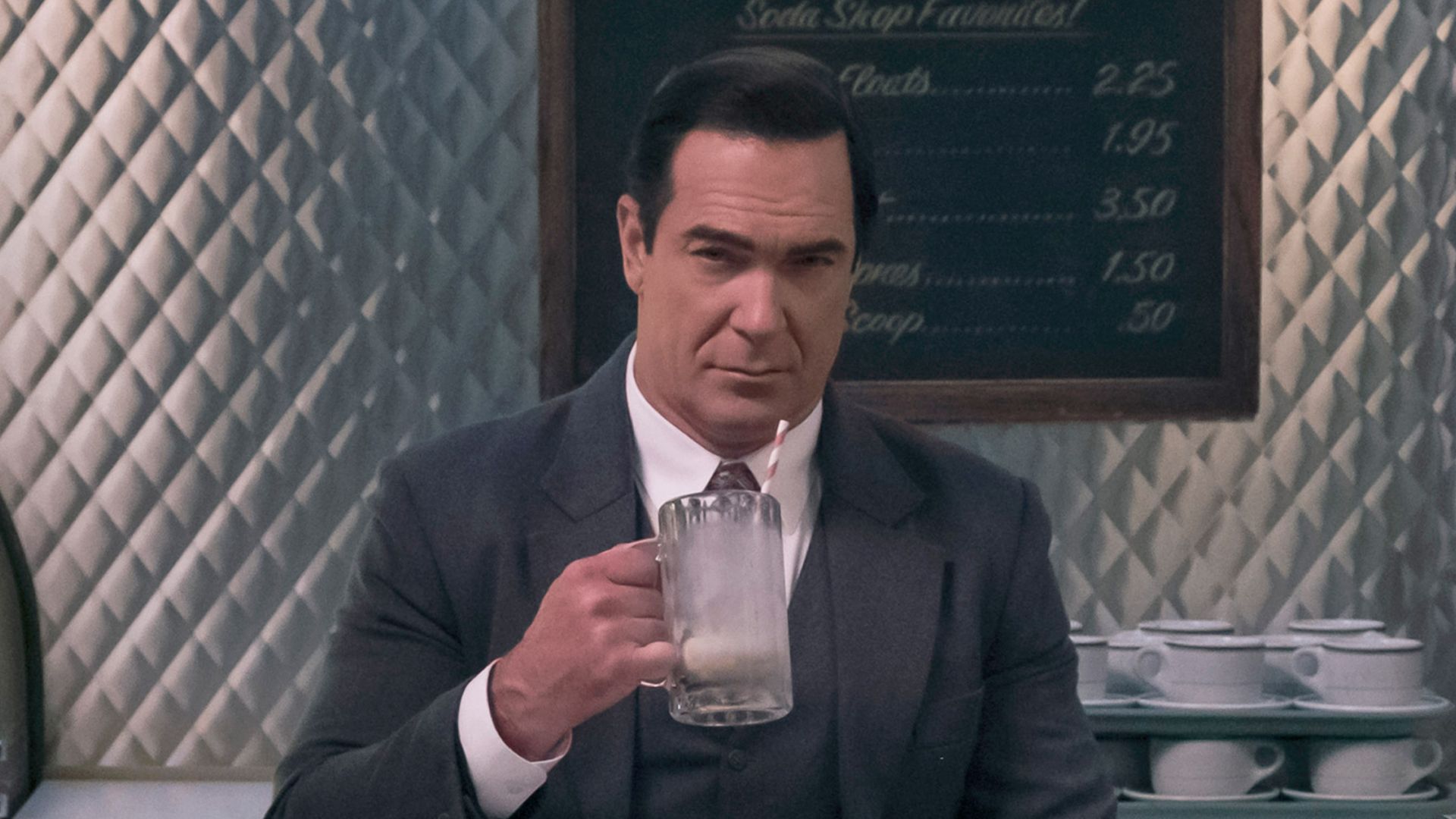
In simple terms, Netflix's adaptation of "A Series of Unfortunate Events" excels at engaging viewers from the very beginning through effective pacing. This storytelling approach enables the show to hook the audience almost immediately, presenting a blend of mystery and adventure as it introduces the Baudelaire orphans, a trio often beset by unfortunate occurrences. Here is what is confirmed: the series does not waste time on drawn-out introductions, which is a common pitfall in many other Netflix Originals.
Unlike many shows that take their time to establish characters, "A Series of Unfortunate Events" plunges viewers into action from the first scene. The narrative kicks off with a vivid portrayal of the Baudelaire children facing their first significant misfortune, expertly setting the tone for the rest of the series. By doing this, the show illustrates a crucial brick in the foundation of successful storytelling: starting as late as possible in the timeline without sacrificing essential context.
This technique works effectively to keep the audience intrigued. Many Netflix Originals often suffer from slow starts, losing viewer interest before the plot even gets underway. In contrast, this adaptation demonstrates how gripping foundations can create a narrative rhythm that sustains enthusiasm throughout its three-season run.
The series benefits uniquely from its three-season format, allowing it the flexibility to explore deeper narrative arcs without the constraints imposed by typical movie runtimes. The pacing strikes a balance between revealing mysteries and allowing room to breathe, preventing the story from feeling rushed while keeping viewers engaged.
In the case of movies based on the same source material, the adaptation has to condense information, which often leads to hurried storytelling that misses critical details. The Netflix series, however, has the luxury of time, making it more successful at expanding on character relationships and plot development while incrementally introducing unresolved mysteries that compel audiences to keep watching.
The series’ pacing is also a reflection of the original books, written by Daniel Handler under the pen name Lemony Snicket. The source material is known for its brisk narrative style, as it is aimed primarily at a younger audience. This aspect has likely influenced the show's adaptation, encouraging a narrative that skips excess fluff. By creating a fast-moving storyline that focuses on essential plot points, the series captivates viewers of all ages.
Moreover, mystery is a central theme of the series, and a rapid pace helps maintain interest and suspense, allowing the audience to invest in the unfolding dilemmas of the Baudelaire children. By mimicking the swift literary pace of the books, the show continues to deliver revelations that resonate emotionally with viewers.
The success of "A Series of Unfortunate Events" serves as a learning opportunity for creators of future Netflix Originals. A leaping start that engages quickly without unnecessary exposition is a lesson that many series could benefit from applying. The use of pacing to drive engagement shouldn’t be overlooked; drawn-out openings often fail to produce any narrative benefits and instead drive viewers away.
The show is a prime example of a narrative cleverly utilizing pacing techniques to maximize viewer retention, emphasizing how crucial the opening sequences are to the overall success of a series. For anyone looking to engage an audience effectively, such opening strategies should be foundational learning points.
It's clear that this successful execution of pacing contributed to the positive reception of the series. Critics and audiences alike have praised the show for its unique narrative approach and ability to maintain interest across three seasons. Despite the dark themes present throughout the story, the series managed to sustain a devoted viewer base. The delicate balance of mystery and character development resonates with the audience, making viewing a continuously pleasurable experience.
For those seeking more information on the series, you can delve deeper into Netflix's A Series of Unfortunate Events: A Richly Layered Adaptation to explore further insights into its storytelling techniques.
Ultimately, "A Series of Unfortunate Events" exemplifies how effective storytelling, particularly pacing, can lead to a show's success on platforms like Netflix. By leaning into the types of pacing used in the original books, the series transformed what might have been a standard adaptation into a captivating, layered experience. While various aspects of the series have been praised, the question remains: will future adaptations take notes from its successful pacing strategy, or will they continue to perpetuate the drawn-out openings that have plagued some current streaming offerings?
Overall, 'A Series of Unfortunate Events' serves as a reminder that sometimes, less really is more, especially when you’re trying to hook an audience from the very start.
Story breakdown
EpisodeBreakdown may use automated tools to assist research, drafting, and formatting. Published pages are governed by our editorial and corrections policies, and source links are shown when they are available in the article record.
Discovery source: CBR TV. The source identifies where the topic was discovered; EpisodeBreakdown is responsible for the commentary published on this page.
Reader response
Reactions and poll results are based on real reader responses. No account is required.