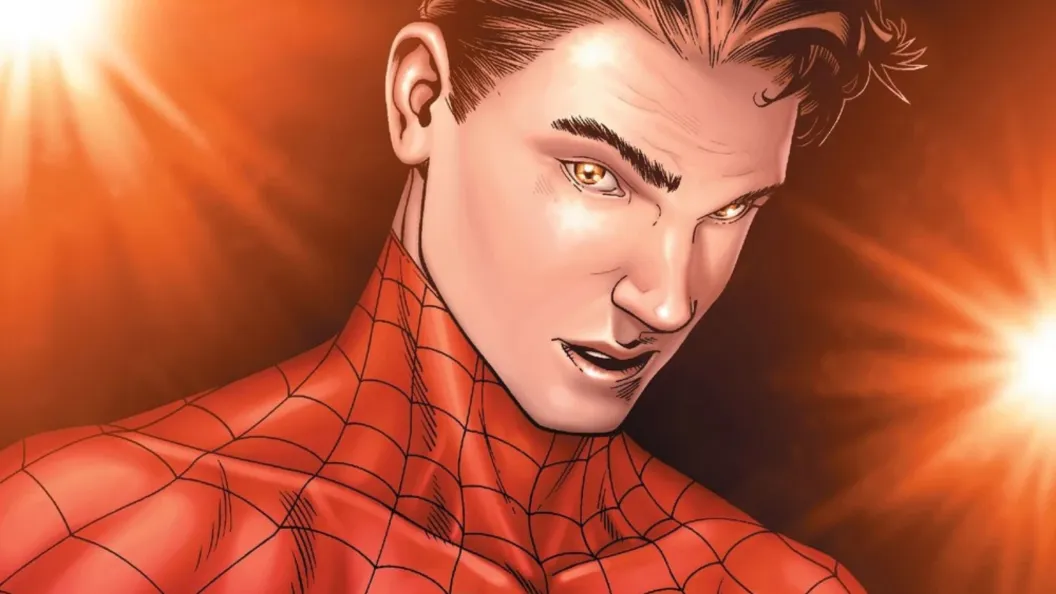
Spider-Man has a lot of powers in Marvel Comics, but he also has some weaknesses. One of his biggest weaknesses is seeing the best in everyone and trusting people a little too much. While some of these people deserve his trust, there are others who he might have been smarter to be cautious around.
Spider-Man’s faith in humanity was shattered when Captain America betrayed him during the Secret Empire storyline. This event occurred in Captain America: Steve Rogers #1 (2016), written by Nick Spencer and Jesus Saiz, when Captain America declared Hail Hydra. The revelation that Captain America was a Hydra sleeper agent from an alternate Earth—raised as a Hydra sympathizer under the influence of the sentient Cosmic Cube child Kobik—deeply affected Spider-Man. For Spider-Man, Captain America represented the hero he always weighed himself against. The betrayal was compounded by the fact that Earth-616 Steve Rogers survived in Kobik’s mind, allowing Captain America to fight back and end the threat. This moment remains one of Spider-Man’s most painful losses of trust.
Robbie Robertson’s Tombstone Trap
Robbie Robertson’s betrayal of Spider-Man unfolded during The Spectacular Spider-Man #139-#142 (1988), a storyline by Gerry Conway and Sal Buscema. Robbie had witnessed Tombstone kill someone as a young boy and kept the secret for 20 years, fearing for his life. This guilt shook Spider-Man’s trust in Robbie, who he had always looked up to. When Robbie was sent to prison for being an accessory to the murder, he betrayed Spider-Man by hiding the truth. In The Spectacular Spider-Man #155, Robbie lured Spider-Man to a prison where Tombstone attacked him, and Robbie injected Spider-Man with a drug to knock him out. Despite the betrayal, Robbie later sacrificed himself by attacking Tombstone to save Spider-Man, a moment that appeared selfless.
Boomerang’s Lifeline Tablet Betrayal
Boomerang, whose real name is Fred Myers, initially became Spider-Man’s close friend after rooming with Peter Parker in Amazing Spider-Man (2018) #1, written by Nick Spencer and Ryan Ottley. Over three years, Fred and Peter developed genuine friendship, with Fred even attempting to become a hero for Spider-Man. However, during the Lifeline Tablet storyline, Boomerang revealed he was working for Kingpin. He left Spider-Man a note apologizing for his actions but also exposing their friendship as a long con. Despite this, Boomerang later sacrificed himself in The Sinister War storyline to save Spider-Man from Morlun, demonstrating a redemption arc that Spider-Man could not ignore.
Iron Man’s Civil War Betrayal
During the Civil War event, Iron Man’s mentorship of Spider-Man turned toxic. Iron Man had built Spider-Man the Iron Spider Armor and convinced him to support the Superhero Registration Act, even urging Spider-Man to unmask on live TV. However, Spider-Man discovered Iron Man was tracking him with a device in his suit and imprisoning unregistered heroes in the Negative Zone. When Spider-Man refused to support Iron Man, he was attacked by registered villains, and Aunt May was shot. This betrayal forced Spider-Man to question whether Iron Man’s leadership was worth the risk.
Harry Osborn’s Green Goblin Transformation
Harry Osborn’s betrayal of Spider-Man remains one of the most tragic moments in comic history. After Norman Osborn killed Gwen Stacy, Spider-Man sought revenge, leading to Norman’s death. Harry, who had been Norman’s son, blamed Spider-Man for his father’s death and turned to become the Green Goblin. Harry’s mental health struggles, including a curse from birth and addiction, contributed to his descent into villainy. In The Spectacular Spider-Man #200, Harry sacrificed himself to save Spider-Man, ending his life in a moment that underscored the depth of Spider-Man’s loss of trust.
EpisodeBreakdown may use automated tools to assist research, drafting, and formatting. Published pages are governed by our editorial and corrections policies, and source links are shown when they are available in the article record.
Discovery source:ComicBook.com. The source identifies where the topic was discovered; EpisodeBreakdown is responsible for the commentary published on this page.
Reader response
What did you think?
Be the first to react
Reactions and poll results are based on real reader responses. No account is required.
Continue the story
news
Captain America, Iron Man, and Thor Don’t Define the Avengers, These 5 Heroes Do
ComicBook.com reports that while Captain America, Iron Man, and Thor are often considered the core Avengers, the team’s true identity is defined by five key members who have shaped its legacy.Read next →