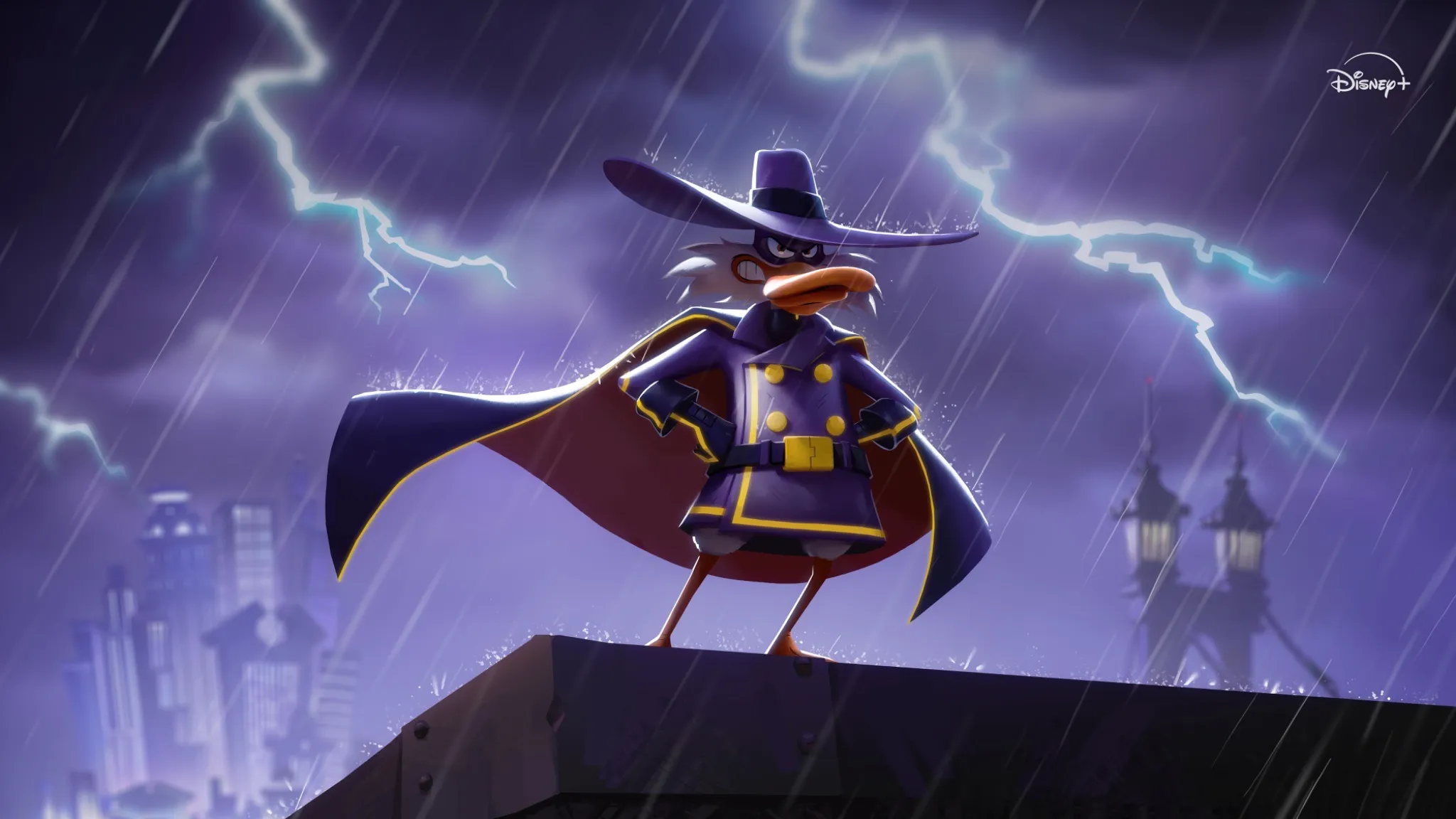
‘Darkwing Duck’ Reboot Ordered to Series at Disney+
Disney+ has officially ordered a reboot of ‘Darkwing Duck’ to series, featuring a star-studded voice cast, including Mark Hamill and Seth Rogen.
Exploring essential insights from Marvel's Agents of SHIELD that could elevate the MCU's narrative style and character development.
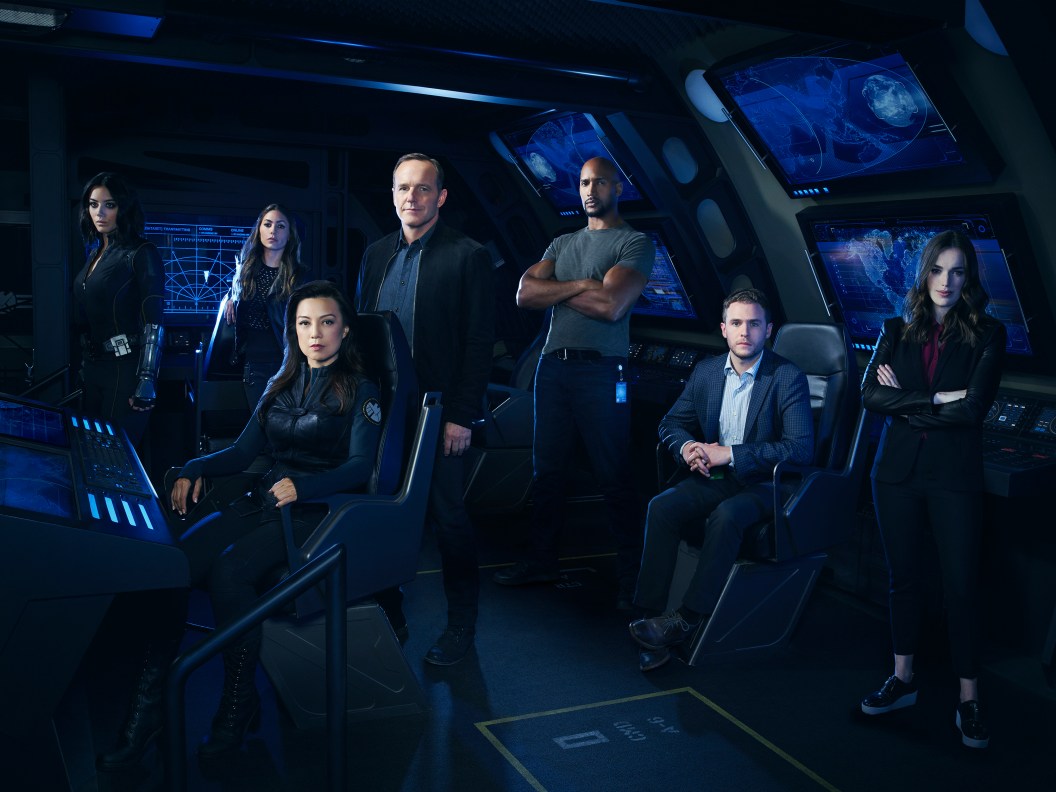
In a recent analysis published by ComicBook.com, the website outlined five vital lessons the Marvel Cinematic Universe (MCU) could learn from its long-running television series, Agents of SHIELD. The piece highlights how this series, which aired from 2013 to 2020, managed to retain audience engagement over seven seasons—far surpassing the current trend of shorter television series in the Marvel franchise that often face uncertain renewal prospects.
Agents of SHIELD began as a spinoff during the MCU's expansion into television, featuring seasons with a combination of 22 and 13 episodes. This structure provided ample opportunities for creativity and in-depth character development. According to the article, this contrasts sharply with the more compressed storytelling often found in contemporary Marvel television series, which frequently limits character exploration and emotional depth.
The article emphasizes the importance of a balanced ensemble cast, a lesson gleaned from Agents of SHIELD. The show cleverly integrated a mix of original characters and those from comic lore, allowing for diverse storytelling angles. By focusing on group dynamics rather than relying solely on a single main character, the series maintained engagement by exploring individual character backstories extensively. For example, it dedicated significant time to character development, enhancing audience attachment to figures like Fitz and Simmons.
Another critical area where Agents of SHIELD excelled was its ability to set up and conclude mysteries satisfyingly—one of the key aspects that kept audiences returning. The article illustrates this with the fate of Phil Coulson, whose resurrection was a pivotal plot point, generating intrigue throughout the series. This pattern of mystery and payoff is characterized as something the MCU could benefit from continuing in future projects.
Moreover, the piece underscores the art of meaningful character arcs developed over multiple seasons. Unlike MCU films, where characters may be molded differently depending on directorial vision, Agents of SHIELD showcased fully realized character journeys that often tackled trauma and growth. The character of Fitz, for example, offers a complex narrative that evolves in response to significant emotional and psychological challenges, enriching the stories of mainline MCU characters.
Additionally, the article argues for worldbuilding that allows stories to stand alone rather than relying heavily on interconnections with the broader MCU. The structure of Agents of SHIELD included plot elements like the introduction of Inhumans and narratives around human threats that weren't solely tethered to the mainline films. This independence in storytelling provided a unique flavor that engaged audiences without the constant backdrop of films.
The insights derived from Agents of SHIELD indicate that the MCU has substantial opportunities for growth in terms of narrative complexity, character depth, and worldbuilding. By integrating these lessons, such as establishing meaningful character arcs and creating satisfying narratives, the Marvel franchise could enhance audience connection and engagement. The potential for evolving long-form storytelling offers rich avenues for future projects, suggesting that a return to more ambitious and character-driven narratives could resonate well with the fan base. As Marvel continues to develop content across platforms, reflecting on the successes of Agents of SHIELD may be critical to its ongoing relevance and storytelling effectiveness.
Entertainment news
EpisodeBreakdown may use automated tools to assist research, drafting, and formatting. Published pages are governed by our editorial and corrections policies, and source links are shown when they are available in the article record.
Discovery source: ComicBook.com. The source identifies where the topic was discovered; EpisodeBreakdown is responsible for the commentary published on this page.
Reader response
Reactions and poll results are based on real reader responses. No account is required.