test
asdasd
A deep dive into the six greatest TV shows of the 1960s, exploring their stories, characters, and lasting impact on television.
The 1960s was a transformative decade for television, introducing groundbreaking concepts and unforgettable characters that continue to resonate with audiences today. From whimsical sitcoms to visionary sci-fi narratives, this era set the stage for modern television storytelling. In this article, we will explore the six greatest shows of the 1960s, examining their remarkable stories, key characters, and long-term influence.
This article reviews six iconic TV shows from the 1960s, including details on their unique premises, memorable characters, and the way they shaped the future of television. Shows like I Dream of Jeannie and The Twilight Zone have left indelible marks, showcasing different sides of storytelling—from humor to social commentary. We'll also discuss what made these shows trend even decades later.
The 1960s introduced narratives that challenged conventions, often combining humor, intrigue, and social commentary. I Dream of Jeannie, for instance, combined fantasy and romance, depicting the life of an astronaut who encounters a magical genie. The show tackled themes of love and domesticity within a fantastical framework, allowing viewers to escape into a world where the impossible was possible.
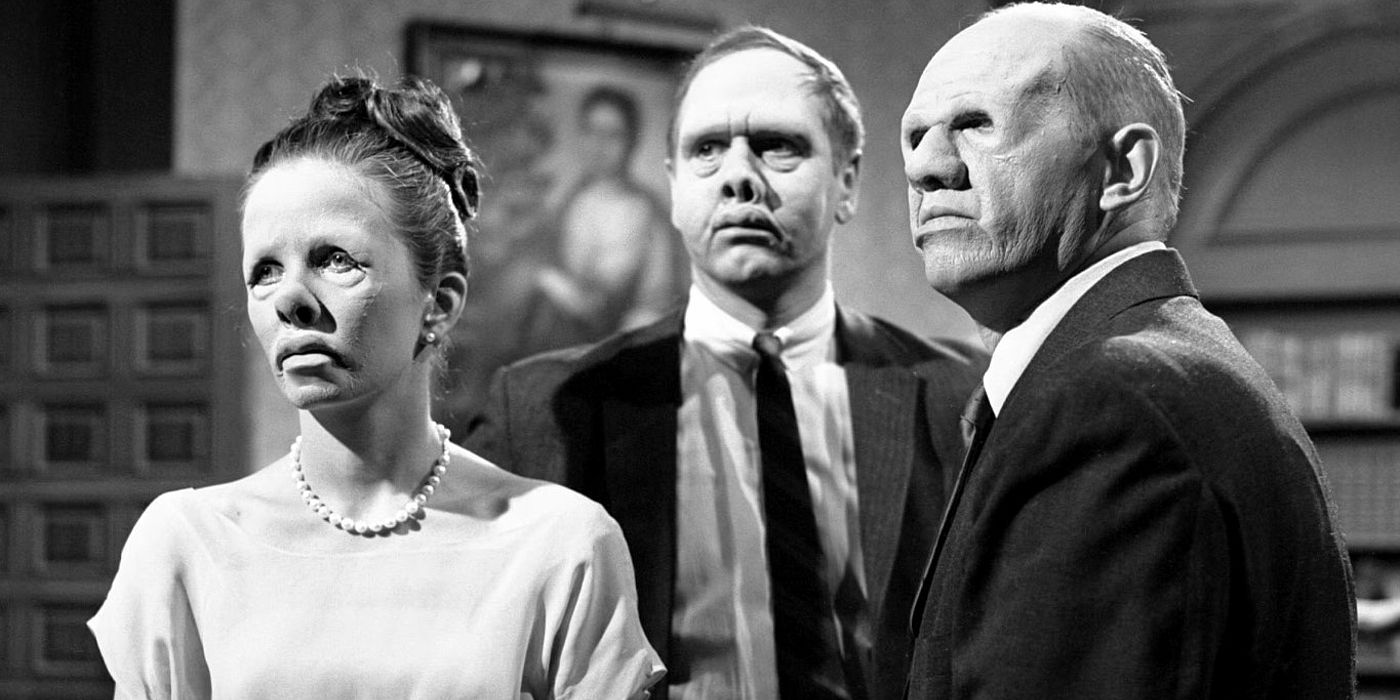
On the other hand, The Twilight Zone served as a brilliant anthology series that explored themes of morality, humanity, and the unknown. Each episode presented a unique story—often with a twist, reflecting the anxieties and tensions of the times. From the fear of totalitarianism to the uncertainty of technological advancement, this show became a mirror for civil rights and societal changes.
Shows like Star Trek pushed boundaries by presenting progressive ideas of race and gender, envisioning a future where diversity and cooperation are the norms. The cast included one of the first interracial kisses on American television, highlighting the show's commitment to social change.
I Dream of Jeannie features Jeannie, played by Barbara Eden, and Major Tony Nelson, portrayed by Larry Hagman. Jeannie embodies the enchanting allure of magic, bringing humor and charm to her interactions with Tony, who strives to balance his career and personal life amidst Jeannie's antics.
In contrast, The Twilight Zone does not focus on recurring characters but delivers a plethora of unique individuals navigating moral dilemmas and existential questions. Each episode showcases new faces—be it a lonely man trapped in a world where nobody acknowledges him or explorers facing unforeseen consequences. This anthology format allowed the show to delve deep into the human condition without being confined to a specific storyline or character arc.
Star Trek introduced vibrant characters in its diverse crew aboard the USS Enterprise. James T. Kirk, Spock, and Dr. McCoy became pop culture icons, each representing distinct philosophies and societal values. Kirk, played by William Shatner, embodied command and leadership, while Spock brought logic and perspective, forming a complimentary dynamic that would further explore themes of individuality and unity.
Given that these shows span many episodes and formats, summarizing endings can be challenging but also enlightening:
I Dream of Jeannie closed its original run without a definitive end but left viewers satisfied with the idea that love conquers all, even in the face of ludicrous circumstances. It showcased Jeannie's determination to support Tony in his scientific journeys while fostering their profound bond.
The Twilight Zone, as an anthology, concluded its final episode with a sense of closure yet ambiguity, leaving key themes open to interpretation. The last episode tested the limits of reality and perception, cementing the idea that the unexplained is always lurking just beneath the surface.
Star Trek has had various iterations and rescheduled series, but the original ended after three seasons, leaving audiences yearning for more adventures aboard the USS Enterprise. It featured a contemplative finale that encouraged viewers to dream about the future and the possibilities of space exploration.
The resurgence of remakes and sequels illustrates the enduring legacy of these iconic shows. New adaptations or continuations of these narratives could explore contemporary themes while paying homage to their roots. With the renewed popularity of nostalgic content, we may witness spin-offs or reimaginings that delve deeper into the lives of beloved characters or introduce new stories in these familiar worlds.
Television networks are increasingly tapping into the magnetic storytelling of the past. Original properties may emerge that echo the themes and narratives seen in these 1960s classics, brimming with humor, societal reflections, and fantastical elements. There is substantial appetite for remakes, which could see beloved narratives being reinterpreted for a modern audience, balancing nostalgia with fresh perspectives.
Interest in shows from the 1960s has surged in recent years, driven by nostalgia and the evergreen quality of storytelling from that era. As streaming platforms curate classic shows for new audiences, these titles gain renewed life and significance. The Twilight Zone continues to inspire new series, while Star Trek celebrates its legacy through spinoffs and film continuities.
Moreover, the themes in these shows resonate with contemporary issues—technology, love, anxiety, and the quest for identity. Discussions surrounding diversity, gender roles, and societal progress reverberate through these narratives, making them relevant to modern viewers. This has prompted an increased exploration of the shows through fan content, social media engagement, and even academic studies.
The 1960s crafted television shows that pushed boundaries and redefined the medium’s potential. The captivating narratives, memorable characters, and culturally relevant themes have transcended their initial broadcast, establishing a legacy that continues to inspire newer generations. As audiences dive into these classic series, they not only entertain but also offer reflections on humanity, society, and the dreams of a rapidly changing world. The enduring popularity of these shows speaks to their artistic merit and the timeless desire for stories that speak to the heart and mind.
Story breakdown
EpisodeBreakdown may use automated tools to assist research, drafting, and formatting. Published pages are governed by our editorial and corrections policies, and source links are shown when they are available in the article record.
Discovery source: CBR TV. The source identifies where the topic was discovered; EpisodeBreakdown is responsible for the commentary published on this page.
Reader response
Reactions and poll results are based on real reader responses. No account is required.