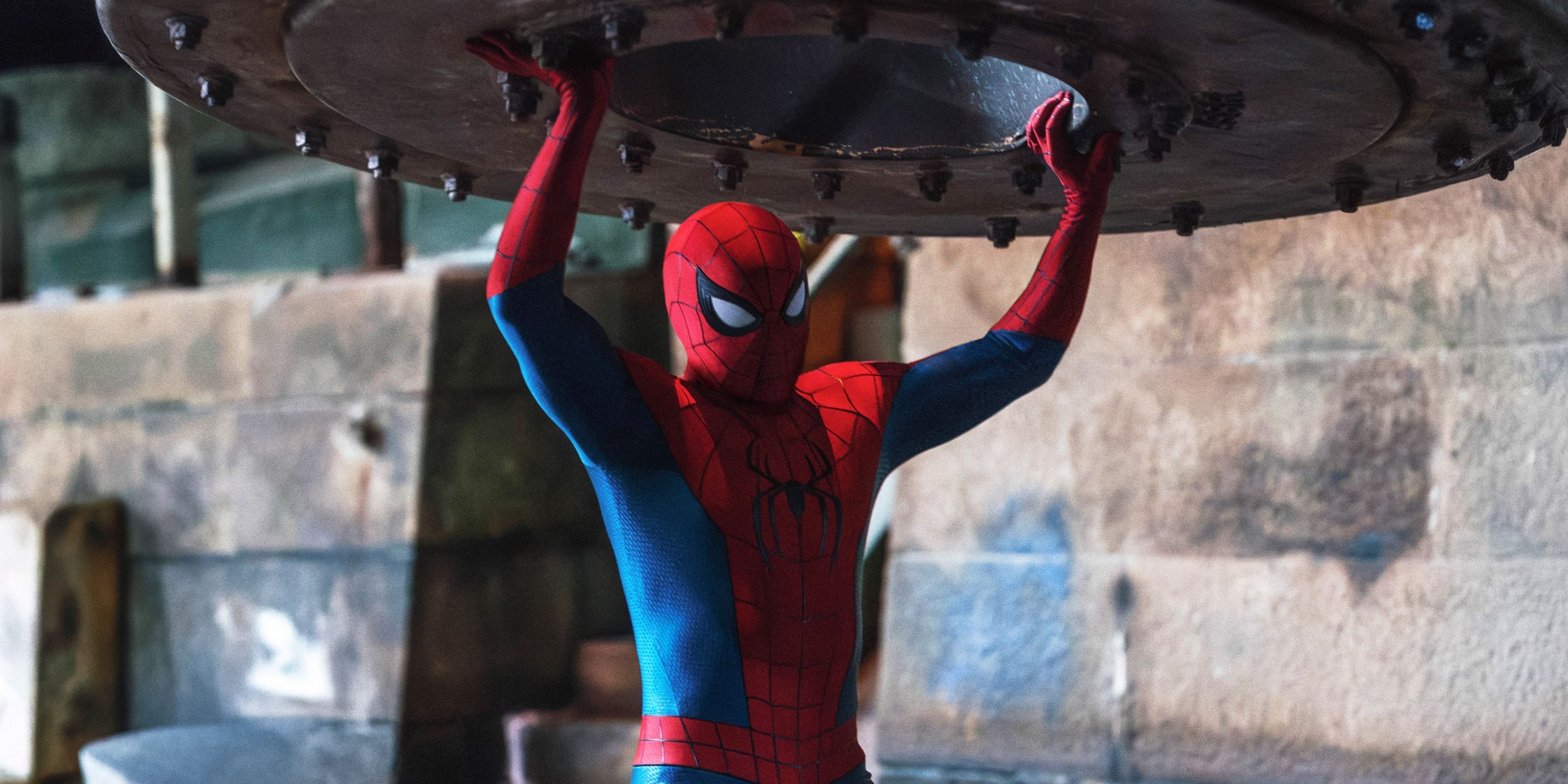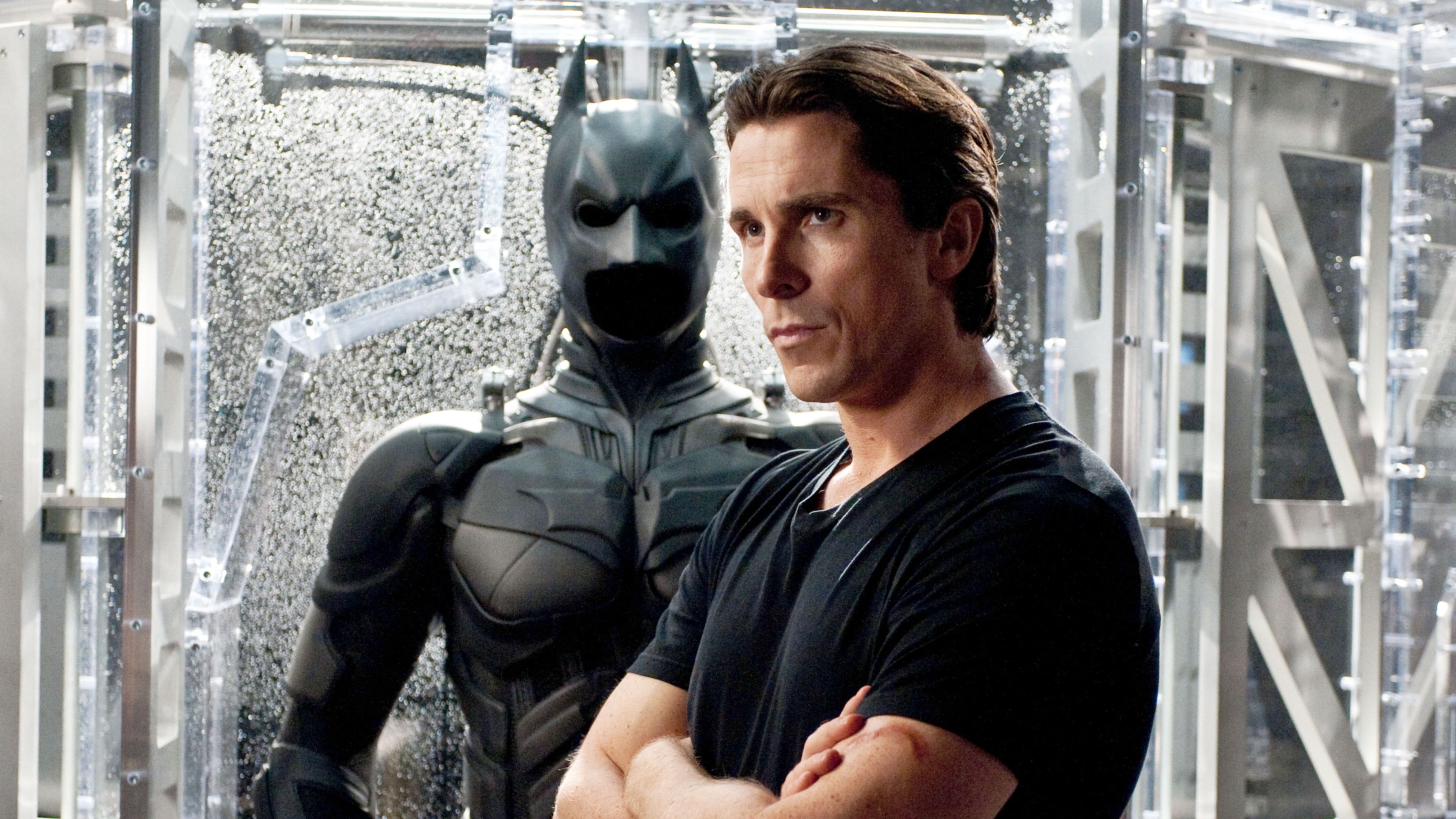
Exploring Trilogies That Outshine Nolan's Batman
A thoughtful analysis of superhero trilogies that surpass Nolan's esteemed Batman series.
The cancellation of a lucrative movie deal over AI concerns could impact future adaptations drastically.
What happened is that a $2.4 million book deal and an anticipated movie adaptation fell through due to a scandal surrounding allegations of artificial intelligence (AI) usage in the manuscript. This debacle raises critical questions about the integrity of authorship and the rigorous standards of the publishing and film industries regarding copyright and originality.
In simple terms, the central question here revolves around whether it is ethical or even legal to attempt a book-to-film adaptation if there are any doubts about the origination of the material in question. The swift cancellation of the deal not only impacts the author but could establish unsettling precedents for future adaptations in Hollywood.
The saga began when debut author Jerry Falade secured a historic $2.4 million advance from Minotaur, an imprint of Macmillan US, as a result of a 14-way bidding war for his book, Call Me, I’ll Hide the Body. The novel was pitched for adaptation in American cinema, and its immense success even before publication signaled an impending triumph in literature.
However, the excitement was short-lived. Concerns arose about potential AI involvement in writing the manuscript. According to Marc Gerald from Europa Content, intent on protecting both financial and reputational interests, the manuscript was ultimately pulled after reports surfaced suggesting flags for AI indicators, such as peculiar metaphors and inconsistencies in prose. Despite the lack of consensus on actual usage, the damage had been done.
The fallout from this incident extends beyond just Jerry Falade. While he has vehemently denied any AI involvement—asserting that only human efforts crafted the text—there remains a stark ambiguity due to conflicting interpretations of the manuscript's integrity. An agent’s alleged inquiry led to the assertion of AI usage, which, if unfounded, represents a serious smear on Falade’s emerging career.
The death of this book deal invokes broader ramifications. As more authors fall under scrutiny for potential AI aid, it casts a long shadow over the landscape of publishing. The repercussions could drastically alter how stories are optioned for screen adaptations, leaving writers ineligible unless they can offer concrete proof of genuine authorship.
Key to this scandal is the legal framework surrounding copyright laws related to AI-generated content. In the U.S., the principle is straightforward: human authorship is essential for copyright protection. If any substantial portions of a work are suspected to be AI-generated, the copyright becomes muddled, complicating any potential adaptations.
As the book adaptation market braces for scrutiny, publishers will likely become far more cautious, demanding extensive documentation and proof of originality from authors. The conversations surrounding copyright laws highlight an urgent need for clarity, especially as AI’s role in creative processes continues to evolve and challenge traditional definitions of authorship.
What this scandal underlines is a significant cultural shift within the creative industries. The suspicion surrounding AI’s presence in writing is not merely a technical concern; it speaks to wider societal fears about authentic representation. Authors, particularly those from minority backgrounds, may find themselves disproportionately targeted, facing unjust assumptions that could derail their careers before they even gain traction.
This shift reflects a growing awareness of bias, as illustrated by studies indicating that non-native English speakers and neurodivergent individuals are more likely to be misidentified as using AI. Consequently, the reinterpretation of authorship is shadowed by racial and cultural implications that merit examination. AI detectors have proven unreliable, further complicating the landscape for creators.
The peculiar nature of this incident suggests that studios and agencies will proceed with caution regarding book adaptations in the near future. As Hollywood grapples with disgruntled public perceptions fueled by concerns surrounding originality, we can expect a significant slowdown in acquiring pre-publication works. New adaptations may be announced only to be withdrawn almost immediately due to quiet caution linked to AI apprehensions.
Already, we observe a chilling effect: the once-brimming pipeline of adaptations could dwindle as creatives face heightened scrutiny regarding their writing processes. This regression signals not just a threat to individual authors, but also to the diverse stories that enrich popular culture.
What this means for the future can’t be underestimated. A profound reevaluation of standards and practices is necessary. The conversations around AI, authorship rights, and representation in published narratives will undoubtedly shape the industry landscape for years to come. Diversity in storytelling is essential not just for representation but for the richer layers it adds to cinema and literature.
While this scandal serves to highlight the dangers of AI in creative writing, it also opens broader dialogues about safeguarding the creative integrity of authors. Publishers must navigate these complexities while ensuring that genuine voices are not lost in the fear of technological advancement. As we move forward, vigilance and transparency will be critical in protecting the hopes and dreams of new authors.
Ultimately, this incident acts as a touchstone for significant changes in the publishing and film industries. As more authors face the scrutiny of potential AI usage, the creative landscape could become a battleground for distrust and misunderstanding. The importance of human authorship must remain central, keeping in view the ethical relationship we have with technology in creative spheres. Developing fine lines between human and machine-written works will define the evolution of literature and its representation on the big screen.
In light of these events, authors would do well to document their creative process comprehensively, while publishers and studios need to adapt their acquisition strategies to safeguard against misunderstandings and protect artistic integrity.
For more on the ramifications of this situation, check out Exploring the Best Movie Performances of 2026 So Far and IndieWire’s Future of Filmmaking Summit: A New Era for Cinema.
Movie explanation
EpisodeBreakdown may use automated tools to assist research, drafting, and formatting. Published pages are governed by our editorial and corrections policies, and source links are shown when they are available in the article record.
Discovery source: ScreenRant. The source identifies where the topic was discovered; EpisodeBreakdown is responsible for the commentary published on this page.
Reader response
Reactions and poll results are based on real reader responses. No account is required.