AI Scandal Kills $2.4 Million Novel's Movie Adaptation
The cancellation of a lucrative movie deal over AI concerns could impact future adaptations drastically.
A thoughtful analysis of superhero trilogies that surpass Nolan's esteemed Batman series.
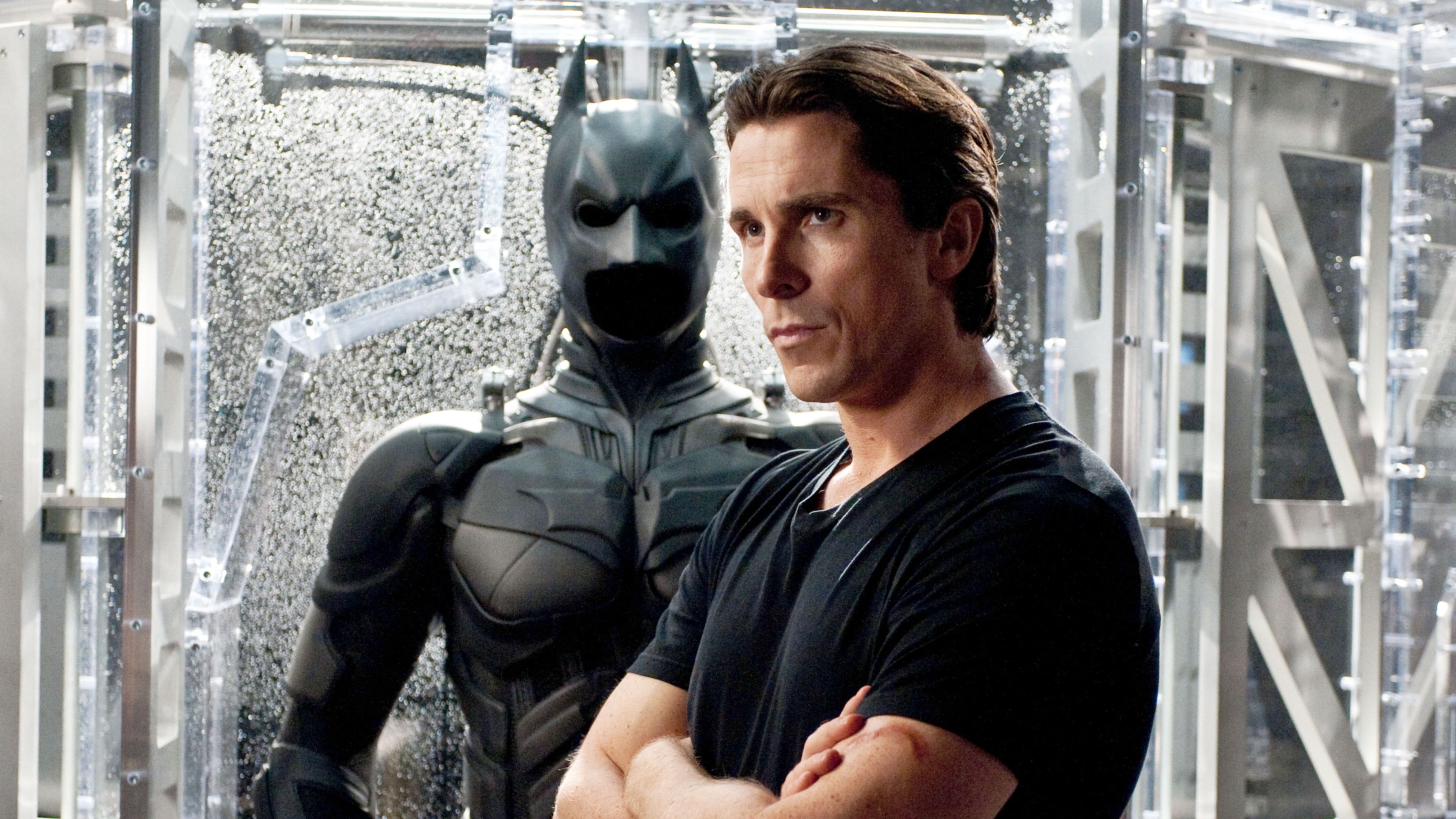
Christopher Nolan's Dark Knight Trilogy is often heralded as the pinnacle of superhero cinema, raising the bar with its complex storytelling, gritty realism, and character depth. In simple terms, while Nolan's work has set the standard, there exist other trilogies that not only match but potentially exceed his trilogy in terms of emotional engagement, character development, and overall impact on the genre. Specifically, the Blade Trilogy, Spider-Man Trilogy, and Guardians of the Galaxy Trilogy stand out as formidable contenders.
The Blade Trilogy, which features Blade (1998), Blade II (2002), and Blade: Trinity (2004), was a landmark series that paved the way for darker superhero narratives. While the trilogy suffered from inconsistencies among its directors, the films' exploration of vampire mythology intertwined with human struggles set a template for future adaptations.
What is confirmed is that Blade introduced a darker aesthetic to superhero films before Nolan's vision took shape. Stephen Norrington's original film established a cult following, showcasing a protagonist who thrived on the fringes of society rather than the traditional heroic archetype. Guillermo del Toro's direction in Blade II further enriches the narrative by deepening character relationships and introducing new threats, all the while maintaining high-octane action. The film's visuals and intricate world-building created a distinctive feel that has influenced the genre even today.
While Blade: Trinity does not receive the same critical acclaim as its predecessors, it still offers uniquely enjoyable moments, emphasizing the first two films' tonal foundation. Together, the trilogy has shown that embracing darker themes can resonate with audiences, ultimately setting a precedent for Nolan's later works. Without the bold foundation laid by Blade, it’s possible that the mainstream acceptance of darker superhero narratives, including Batman Begins, would not have been as forthcoming.
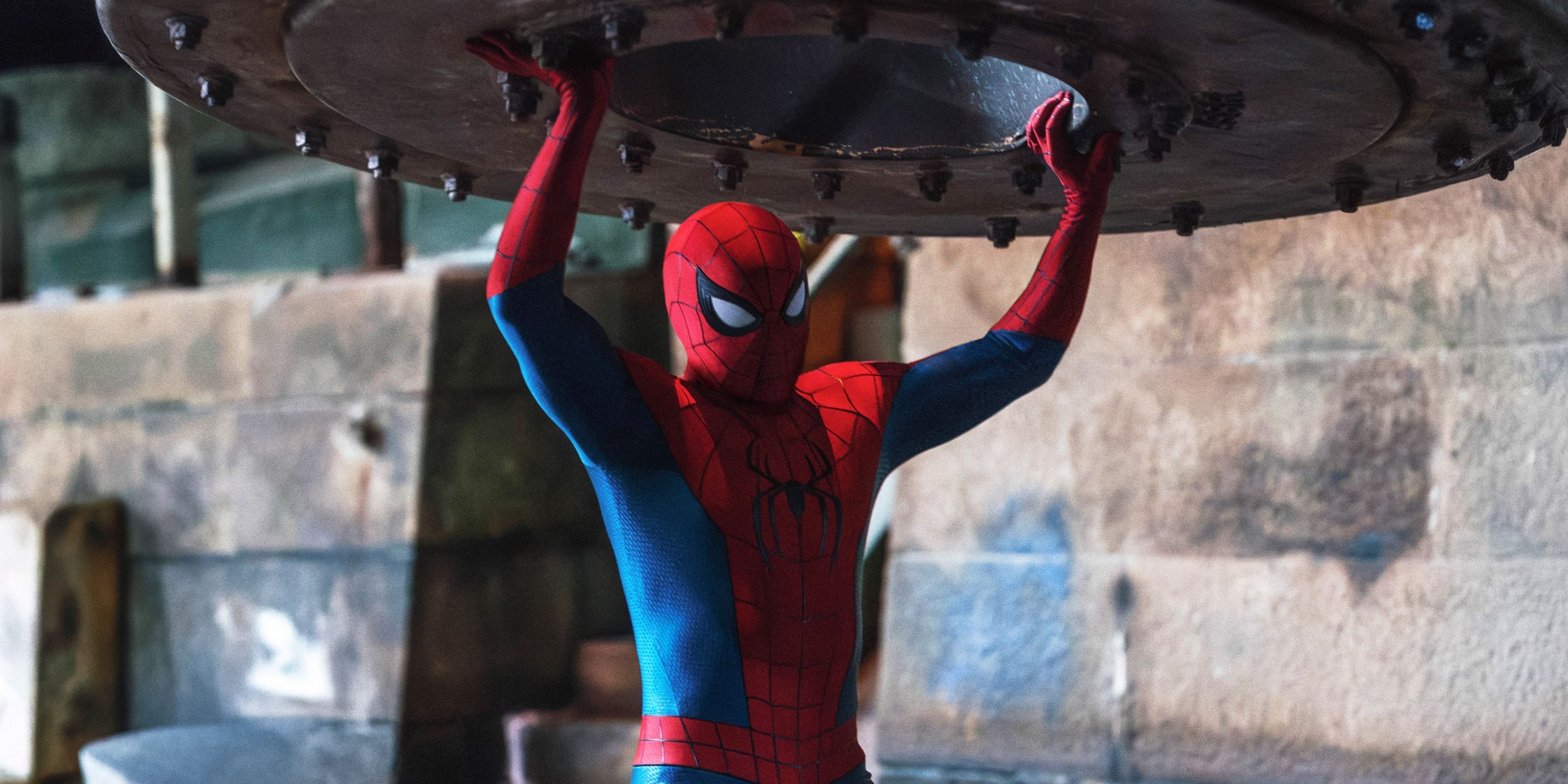
Conversely, Sam Raimi’s Spider-Man Trilogy, comprising Spider-Man (2002), Spider-Man 2 (2004), and Spider-Man 3 (2007), takes an entirely different approach. What is confirmed here is that Raimi paid homage to comic book traditions, fully immersing viewers in the vibrant world of Peter Parker. The trilogy embraces the spirit of comic books without distancing itself from its origins.
Tobey Maguire's portrayal of Parker effectively humanized the character, creating an emotional core through relatable struggles. The famous line, "With great power comes great responsibility" encapsulates the ethos of this narrative arc. The emotional stakes are elevated, particularly in Spider-Man 2, which is widely considered one of the best superhero films. This installment masterfully paces Peter's internal conflict, ultimately depicting how the weight of being a hero affects personal relationships. This exploration of vulnerability was lacking in Nolan's work, which focuses on the darker, more tortured aspects of heroism.
Moreover, Raimi's use of larger-than-life villains adds to the comic book authenticity, especially with Willem Dafoe's Green Goblin and Alfred Molina's Doc Ock, whose conflicts are as rooted in their emotional traumas as any hero's. Ultimately, the Spider-Man Trilogy resonates deeply due to its balance of humor, drama, and comic book flair – elements not as prevalent in Gotham's dark alleyways.
In the contemporary landscape of superhero films, the Guardians of the Galaxy Trilogy stands out as a formidable competitor to Nolan's Batman saga. The trilogy's first installment arrived in 2014, followed by Vol. 2 in 2017 and Vol. 3 in 2023. What is confirmed is that director James Gunn took a lesser-known comic book team and developed them into beloved characters through intricate emotional layers and humor.
Gunn's distinctive storytelling weaves a narrative rich in character development, contrasting with Nolan's focus on a singular brooding figure. The Guardians, each with their personal baggage, exhibit growth that is both relatable and sympathetic. This emotional depth is a hallmark throughout the trilogy, creating connections with audiences that Nolan's darker themes occasionally lack. Vol. 3, in particular, is noted for its emotional poignant moments, managing to balance humor with weighty thematic elements about sacrifice and redemption.
Additionally, the continuity and narrative cohesion across the three films are commendable – a feat that keeps viewers engaged and invested throughout their journeys. The emotional stakes culminate in a way that elevated the series and exceeded expectations, especially in contrast to the uneven reception of The Dark Knight Rises, which struggled to fulfill the lofty ambitions set by its predecessors.
The turning points across these trilogies unveil a deeper examination of character choices and emotional stakes. While Nolan's Batman explores the psychological toll of crime-fighting, the Blade, Spider-Man, and Guardians films delve into the complexities of personal relationships, legacy, and belonging.
Blade embodies a tortured hero navigating his duality between human and vampire. Despite moments of ambiguity, Blade's resolute quest for justice allows for thematic explorations that resonate with anyone grappling with their identity.
On the other hand, the Spider-Man Trilogy emphasizes the conflicts inherent in youthful aspirations and responsibilities. The inherent humor and adventure provide a counterbalance to the weight of difficult choices, giving life to a universality that thrives within a superhero narrative.
Lastly, Guardians of the Galaxy utilizes humor strategically while tackling themes of family and friendship amongst ragtag misfits. This dynamic fosters a collective growth trajectory that is connected, fostering emotional bond and profound character arcs that audiences can relate to on various levels.
While Christopher Nolan’s Dark Knight Trilogy undoubtedly reshaped superhero cinema, numerous trilogies present compelling alternatives worthy of consideration. The Blade Trilogy, Spider-Man Trilogy, and Guardians of the Galaxy Trilogy each contribute unique perspectives and emotional ranges that resonate powerfully with audiences, pushing the superhero genre into new territories.
What happens next is the ongoing evolution of superhero films as directors continue to explore various tones, aesthetics, and character arcs. As the genre faces questions of originality and fatigue, these trilogies stand as benchmark examples of how emotional depth, humor, and genuine storytelling can captivate audiences far beyond the shadows of Gotham.
For more insights into superhero films and their impact on culture, check out our analysis of Nolan's storytelling techniques here. If you're interested in more character-driven narratives, consider our exploration of the character arcs in the MCU here. Also, see how other legendary franchises have navigated reboots and sequels here.
Movie explanation
EpisodeBreakdown may use automated tools to assist research, drafting, and formatting. Published pages are governed by our editorial and corrections policies, and source links are shown when they are available in the article record.
Discovery source: CBR Movies. The source identifies where the topic was discovered; EpisodeBreakdown is responsible for the commentary published on this page.
Reader response
Reactions and poll results are based on real reader responses. No account is required.