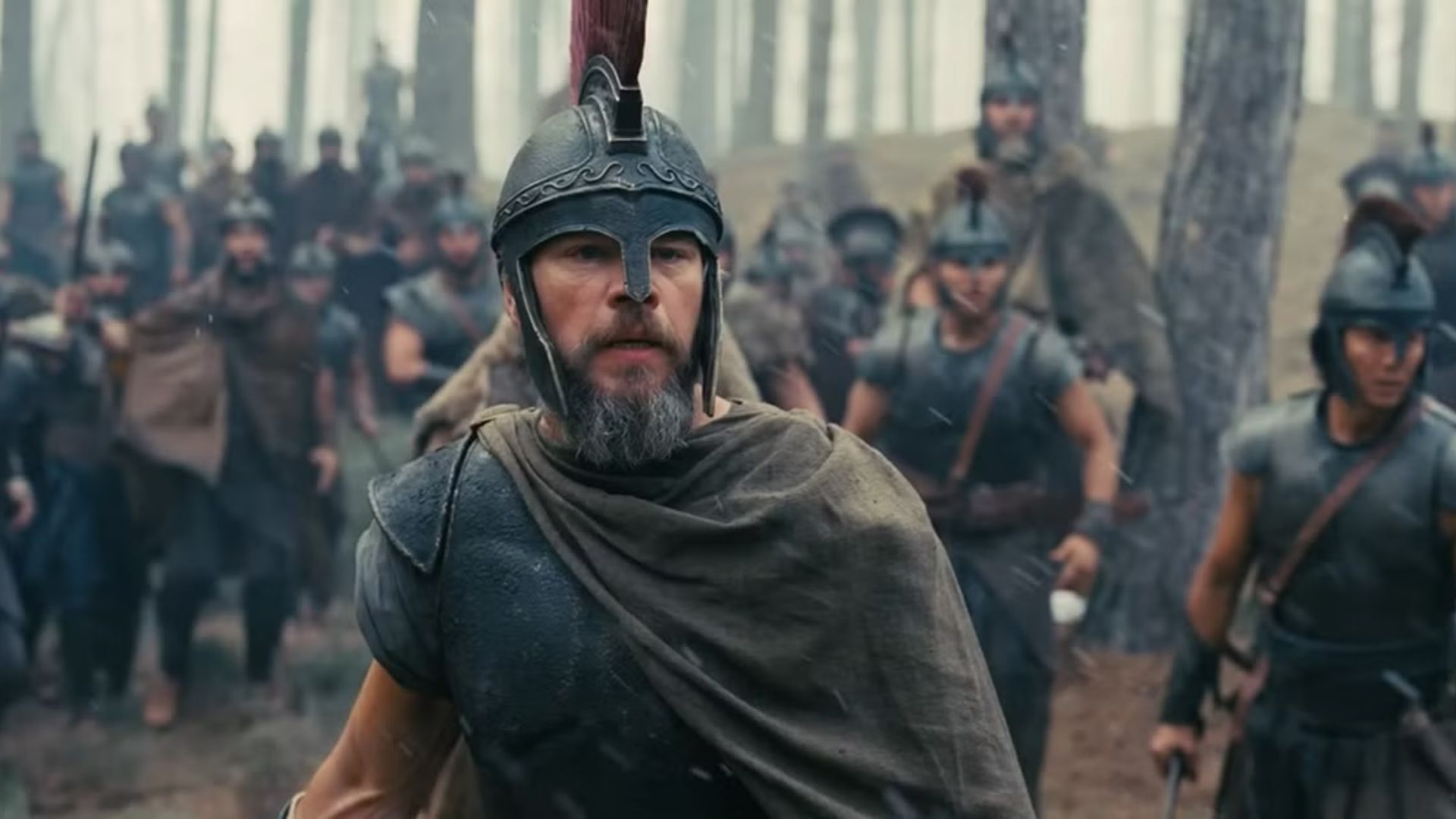
Analyzing 'Spider-Man: Brand New Day' and Its Box Office Impact
Explore the themes, character choices, and significant clues in 'Spider-Man: Brand New Day' amidst its impressive box office success.
This analysis explores Alan Hale Jr.'s intriguing dual roles on The Love Boat, touching on themes of rivalry, romance, and nostalgia.
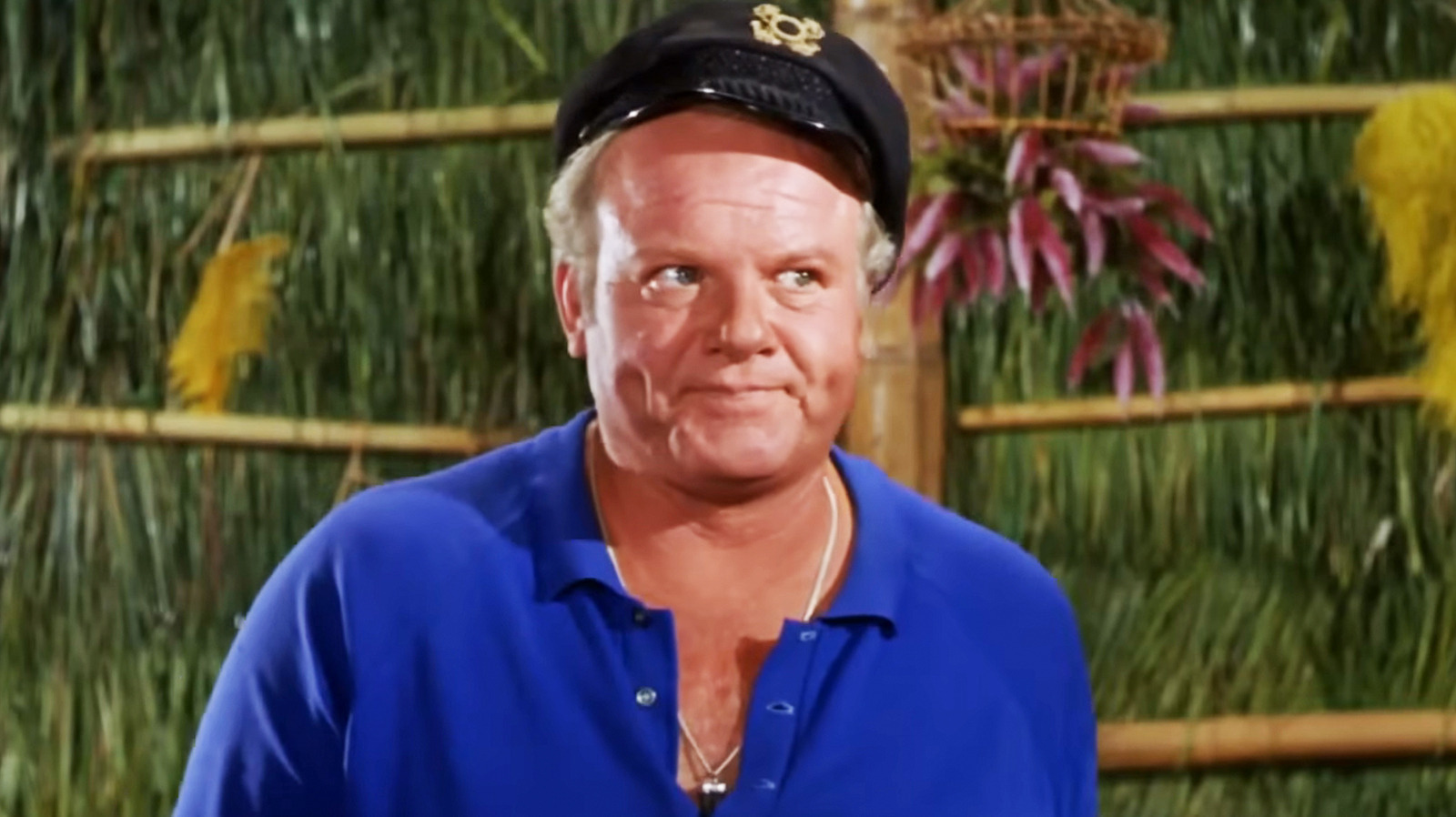
In simple terms, Alan Hale Jr.'s roles on The Love Boat symbolize a nostalgic return to the classic format of episodic television, where humor and heart could be found in equal measure. Hale Jr. played two distinct characters during his appearances—Jack McTigue, a retired boxer, and Gus Dolan, an author with secrets. This duality highlights both the show's capacity for broad storytelling and Hale Jr.'s versatility as an actor.
What happened is that Hale Jr. first appeared on the beloved sitcom in 1979 as Jack McTigue, showcasing a light-hearted rivalry with the character of Ed 'Flash' Taylor, expertly portrayed by Milton Berle. Their interaction revolved around an old feud that turned comedic, culminating in a boxing rematch. This setup exemplifies The Love Boat’s charm—using humor and suspense within a romantic setting.
Hale Jr.'s character choice as a retired boxer speaks to the show's broader themes of reconciliation and humor in the face of outdated rivalries. In the episode titled "The Harder They Fall/The Spider Serenade/Next Door Wife," the comedic tension between McTigue and Taylor underscores how old scores can crumble under the ease of camaraderie, offering viewers a sense of joy and closure—both for characters and audience members.
The boxing rematch that McTigue and Taylor finally enter is a striking metaphor for confronting one’s past. As the scene unfolds and culminates in an accidental takedown of Captain Stubing, it illustrates that resolving past differences doesn’t always lead to straightforward outcomes—sometimes the process is messy but ultimately brings characters closer together. Through Hale Jr.’s portrayal, we see the perfection of The Love Boat’s blend of romantic comedy, offering escapism as audiences laughed amid light drama.
Hale Jr. returned for a second time in 1982 as Gus Dolan, a successful crime author whose storyline significantly contrasts with his previous role. This time, he facilitates a romantic subplot focusing on Paul Reese and Kathy, highlighting another theme present in The Love Boat—the juxtaposition of professional success with personal happiness. In this narrative, the comedic misunderstanding regarding Dolan's secret adds layers to the character.
The episode titled "Burl of My Dreams/Meet the Author/Rhymes, Riddles, and Romance" showcases Hale Jr. in a more mentor-like role compared to his assertive boxer persona. His character's hidden secrets reflect the trials characters undergo in trying to balance their public personas with private realities. The warmth infused into Hale Jr.’s performance illuminates a different facet of the narrative, providing a satisfying closure to the arc involved between the love interests.
Both roles played by Hale Jr. revolve around the central question of how past relationships and career choices influence present happiness. The retired boxer looking to amend his past and the crime author masking emotional vulnerabilities both represent characters grappling with their life trajectories.
Interestingly, the choice to give Hale Jr. these two contrasting roles speaks to the show’s ethos of exploring varied human experiences while maintaining its family-friendly comedic tone. Each character underlines that life is often a mix of unresolved issues and new romantic possibilities, a theme resonant with its audience who tuned in for both laughs and life lessons.
Alan Hale Jr.'s appearances on The Love Boat stand as a testament to quality guest casting in episodic television. Integrating characters like McTigue and Dolan enriches the overall narrative format, offering a layered exploration of themes like rivalry, romance, and even redemption. His dual presence serves not only to entertain but also to engage viewers with a sense of nostalgia reflecting on both the broader social dynamics of the era and their personal memories linked to the show.
In an era when that kind of layered storytelling was less common, Hale Jr.'s performances contributed to the show's enduring appeal. They provided fans with relatable scenarios wrapped in humor, thus becoming a crucial part of the show’s legacy. The joy that Hale Jr. emanated during his appearances is palpable, defining a pivotal moment within The Love Boat's numerous storylines.
Ultimately, Alan Hale Jr.’s roles in The Love Boat illustrate the comedy’s ability to captivate audiences through effective storytelling, showcasing humor as a lens for deeper themes of human connection. They act as cultural artifacts reflecting the times while allowing viewers a glimpse into shared human experiences, making both episodes cherished memories for fans of classic television.
Movie explanation
EpisodeBreakdown may use automated tools to assist research, drafting, and formatting. Published pages are governed by our editorial and corrections policies, and source links are shown when they are available in the article record.
Discovery source: Slashfilm. The source identifies where the topic was discovered; EpisodeBreakdown is responsible for the commentary published on this page.
Reader response
Reactions and poll results are based on real reader responses. No account is required.